
Last updated November 16, 2026
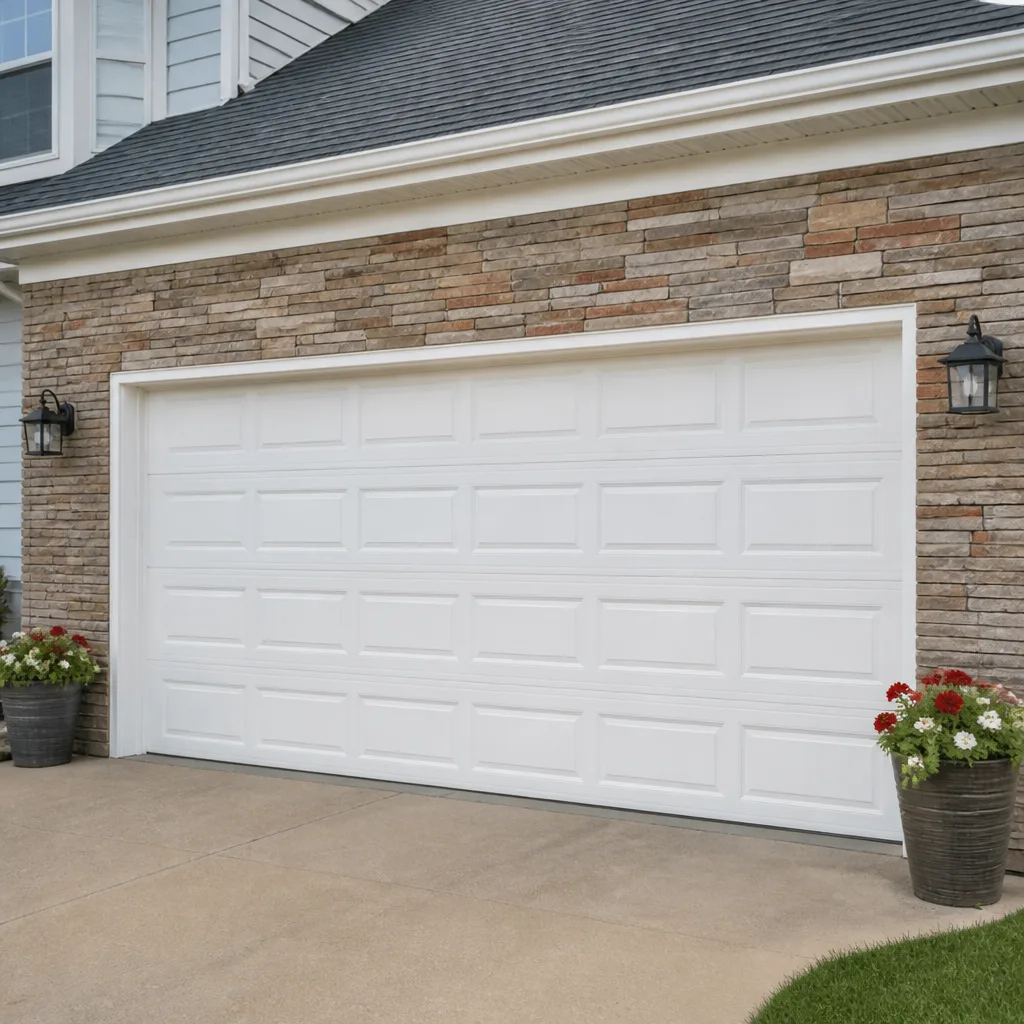 Raised-panel steel
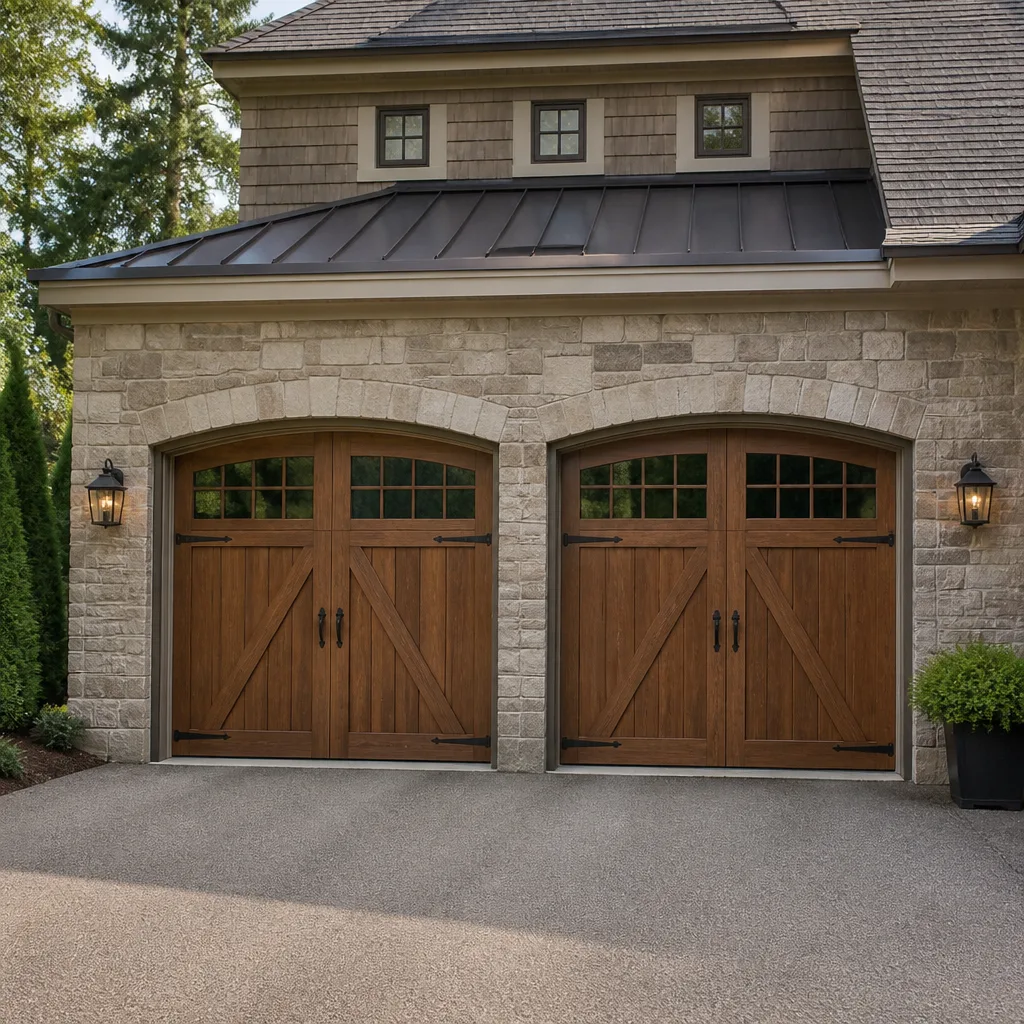 Carriage house
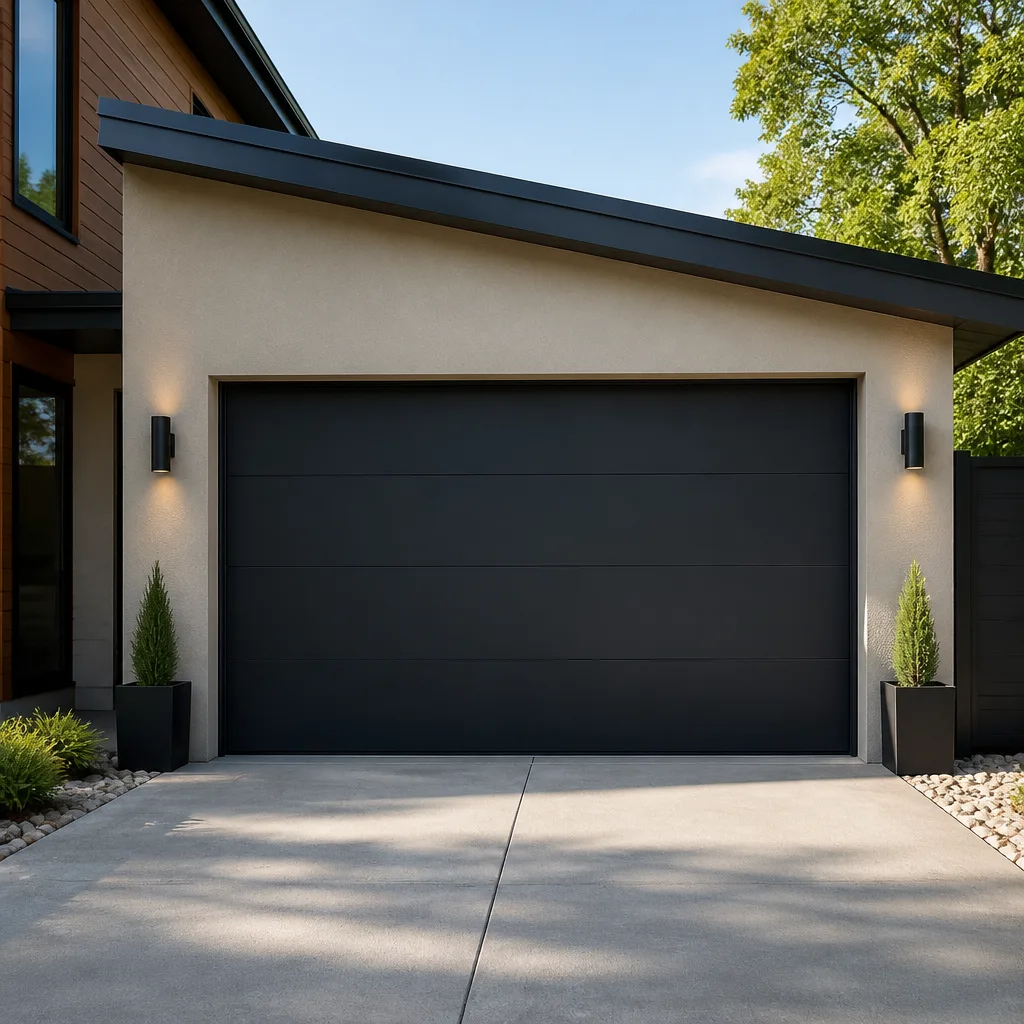 Modern flush
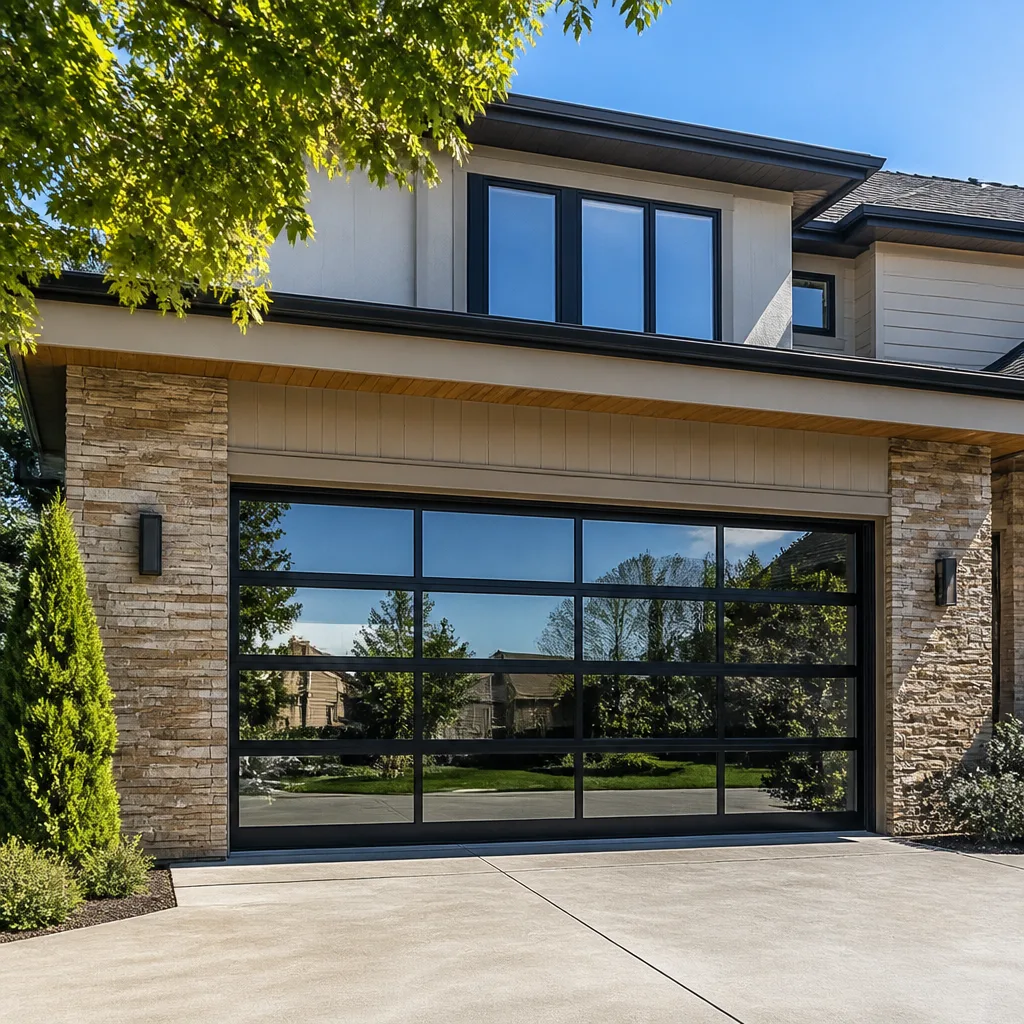 Full-view glass
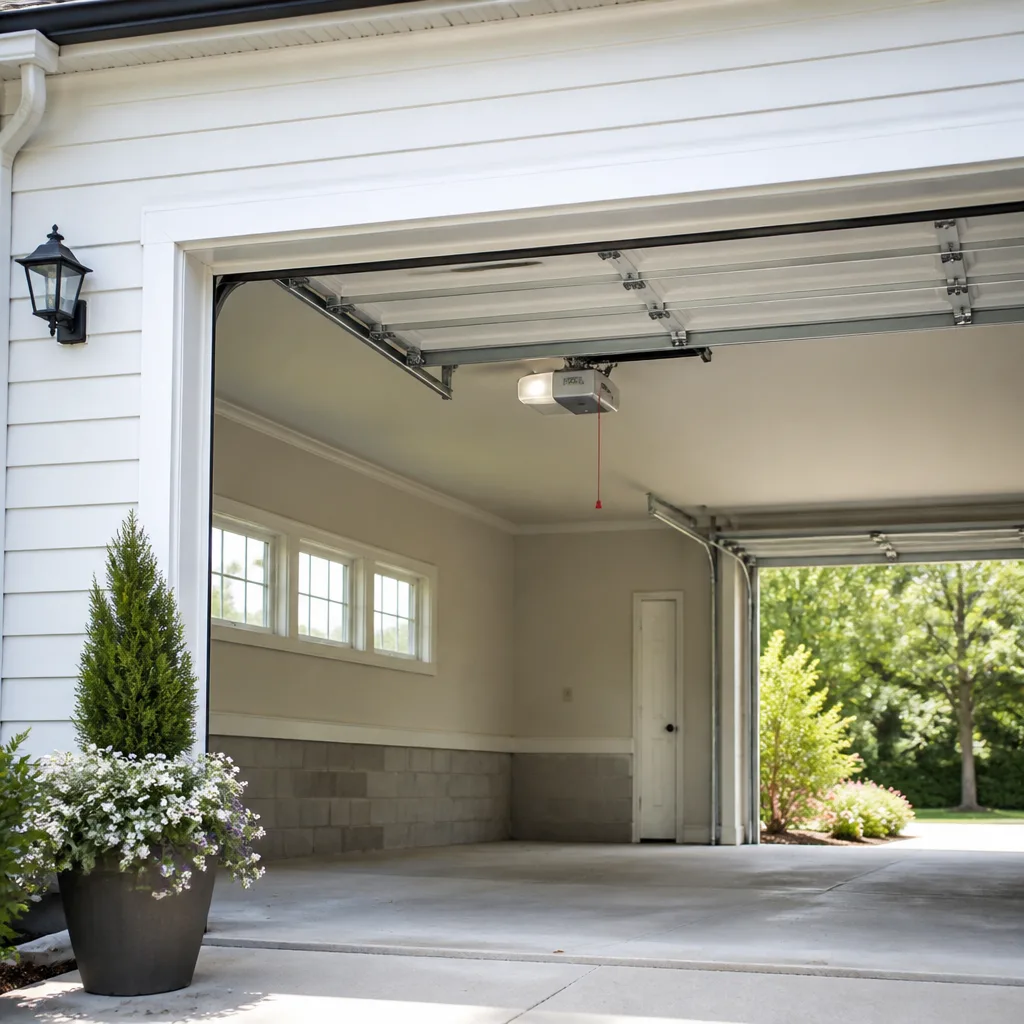 LiftMaster openers
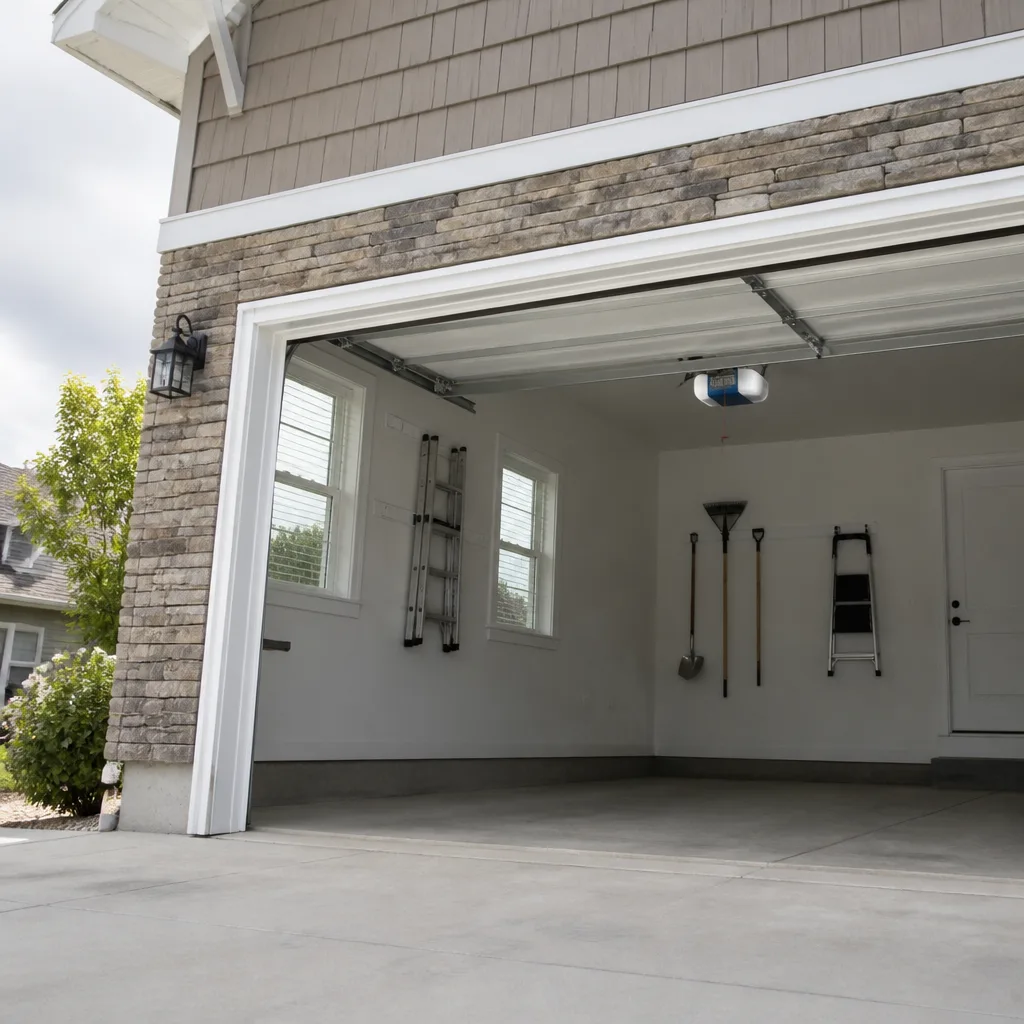 Chamberlain openers
Full 25-point door and opener safety check with every visit - springs, cables, rollers, tracks, and your LiftMaster or Chamberlain opener included
You get a price before we start. It does not change when the pro arrives.
Get your free estimateGarage Door Warning Signs: A Winston-Salem Homeowner’s Reference Guide
Most garage doors don’t fail out of nowhere. They warn you first, usually for days or weeks, in noises, gaps, hesitation and small changes in how the door moves. The problem is that homeowners tend to lump every symptom into one bucket: “the door is acting up.” A grinding sound on the way up and a door that goes silent on the way down aren’t the same failure, and treating them as one is how people end up paying for the wrong repair. This guide walks through what each warning sign actually points to, how to check the safe things yourself, and how to track trouble over time so a Winston-Salem technician can diagnose it faster.
Quick Answer
The most reliable garage door warning signs are a grinding or squealing noise during travel, a door that slams shut instead of lowering smoothly, visible gaps in the torsion spring coils, a door that feels unusually heavy when you lift it by hand, and an opener that suddenly needs two button presses to close. Each of these points to a specific part – the opener drive, the spring system, the rollers and hinges, or the safety sensors – and catching them early usually turns an emergency call into a scheduled repair.
Styles & brands we work with
- Raised-panel steel
- Carriage house
- Modern flush
- Full-view glass
- LiftMaster openers
- Chamberlain openers
Table of Contents
- What Your Garage Door Noise Is Telling You, By Phase
- The Torsion Spring Gap Test: How to Check Safely
- The Door Lift Test for Losing Spring Tension
- Why Two Button Presses Points to a Photo-Eye, Not the Opener
- Cable and Roller Warning Signs You Can See From the Floor
- How to Keep a Simple Warning-Sign Log
- Winston-Salem Climate and Seasonal Stress on Garage Doors
- Brand-Specific Warning Signs: LiftMaster, Chamberlain and Genie
What Your Garage Door Noise Is Telling You, By Phase
The single most useful diagnostic habit is separating noise by when it happens. A door makes three kinds of sounds – startup, mid-travel, and close – and each one lands on a different part of the system. When a homeowner calls us and says “it’s loud,” the first question we ask is when it’s loud. That one detail narrows the diagnosis more than any other.
Startup grind (the first second or two). A grinding or growling noise right as the door begins to move usually comes from the opener itself or from a dry or failing torsion spring set. A chain or belt that’s too tight or a motor gear wearing down will grind. A spring that’s lost tension will make the opener work harder, and the strain shows up as a rough, laboring start.
Mid-travel squeal or rattle. Once the door is moving and you hear high-pitched squealing, rattling, or a scraping sound, the usual suspects are the rollers, hinges and tracks. Nylon rollers get flat spots and squeal. Loose hinges rattle. Debris in the track or a bend in one of the rails produces a scrape that repeats at the same point every trip.
Slam on close. A door that drops the last foot and hits the floor instead of easing down has a tension problem – the springs aren’t carrying the door’s weight the way they should. It’s a spring or balance issue far more often than an opener issue. A slam on close is one of the warning signs we take most seriously, because it stresses the whole system on every single cycle.
We’ve seen this pattern play out across Winston-Salem neighborhoods from Ardmore to Buena Vista. A homeowner waits weeks on a grinding startup because the door still works, then the opener gear finally strips or the spring gives out. If you’re hearing any of these sounds, start with a look at our garage door repair page to understand what a proper diagnosis covers, then get it looked at before the small noise becomes the bigger bill.
The Torsion Spring Gap Test: How to Check Safely
You can confirm a broken torsion spring without touching anything. Stand on the floor, look up at the spring or springs mounted on the shaft above the door, and check for a visible gap. A healthy torsion spring is one continuous coil from end to end. A broken one separates, leaving a clear gap of an inch or more where the coil used to be.
That’s the whole test. Look with your eyes. Do not put your hands on the spring, do not try to wind it, and do not reach up to test it with a tool.
Torsion springs are stored energy. They’re wound tight under tension, and the only thing holding that energy is the spring and the hardware around it. A spring that has snapped can whip and release that stored force, and a spring that’s about to snap can do the same without any warning. This is the one part of the garage door system we tell every homeowner to leave alone. A trained technician uses the right winding bars, the right stance, and knows which position the door and spring need to be in before anything is touched. It’s not a repair you can safely learn from a video.
What the gap test tells you:
- One gap on the shaft means one spring has broken. The door is now being carried by the other spring (on a two-spring system) or by nothing (on a single-spring setup).
- No gap but a loud bang heard from the garage can still mean a spring failure – call it in and don’t run the door to check.
- Springs covered by a solid tube hide the gap. You’ll need a technician to inspect those.
A broken spring is not a “run it and see” situation. If you spot a gap, stop operating the door and call for repair. Left alone, a door with a failed spring puts all its weight on the opener, and the opener will fail next.
The Door Lift Test for Losing Spring Tension
Springs rarely fail in a single moment. The more common pattern is a slow loss of tension over weeks or months, followed by a snap. There’s a simple, safe way to check whether your springs are still carrying their share of the door’s weight: the manual lift test.
Here’s how to do it correctly:
- Close the door completely with the opener. Pull the manual release cord so the door disconnects from the opener carriage.
- Stand to the side and lift the door by the bottom handle or edge. Don’t stand directly under the door’s path.
- Lift it about halfway by hand. A properly balanced door should feel light – one hand can do it, with modest effort.
- Let go with the door around waist-to-chest height. A healthy door stays where you put it. A door with weakening springs will drift down or sink on its own.
- Reconnect the release cord when you’re finished and run the door with the opener to confirm it catches.
If the door feels heavy, fights you as you raise it, or sags the moment you let go, the springs are losing tension. That’s a warning sign you can catch before a snap. The door may still work with the opener – it may just sound a little louder or run a little rougher – which is exactly why homeowners miss it. If your Winston-Salem home has a door that’s ever felt unusually heavy, mention it when you call. It tells the technician a lot before they even arrive.
Why Two Button Presses Points to a Photo-Eye, Not the Opener
If your door suddenly needs two presses of the button to close, the opener motor is almost certainly not the problem. The most common cause is a safety sensor (photo-eye) that’s misaligned or blocked. On the first press the opener starts down, the sensor sees an obstruction it shouldn’t, the door reverses, and the second press closes it because the system has cycled. It’s a sensor issue that looks like an opener issue.
Photo-eyes are the two small lenses mounted at the bottom of the tracks, one on each side, pointing at each other. When the beam is broken or the lenses are dirty or nudged out of line, the opener treats it as though something is in the way.
What to check before calling:
- Wipe the lenses with a soft cloth. Dust and spider webs are common culprits.
- Check that nothing is in the beam’s path – a shovel, a recycling bin, a bike wheel, a folded step ladder.
- Look for one lens that’s been bumped, or a bracket that’s been knocked out of alignment.
- Check that the small indicator lights on both sensors are lit and steady. A blinking or dark light means the beam isn’t making it across.
If the lenses are clean, nothing is in the way, and both indicators are steady, and the door still needs two presses, the issue is more likely inside the wiring or the opener logic board. That’s when our garage door opener repair service takes over. We work on LiftMaster, Chamberlain, Genie and every other major opener brand by diagnosing the problem first, not by assuming the motor needs replacing.
Cable and Roller Warning Signs You Can See From the Floor
Not every warning sign is a noise. Several visible issues give you time to act before a cable snaps or a roller seizes. You can spot all of these from the floor without touching anything dangerous.
Cables: Look at the steel cables that run alongside each track. They should be straight, taut and free of kinks. Fraying, a bird’s-nest tangle near the drum, or a cable that’s hanging slack are all warning signs. A snapped cable can whip, so a frayed cable should never be operated until it’s repaired.
Rollers: Look at the small wheels inside the track. A worn roller has a flat spot, wobbles, or sits crooked in the track. Nylon rollers wear faster than steel, and you’ll often hear a mid-travel squeal before you notice the wear visually.
Hinges and hardware: Loose hinge bolts, sagging brackets, or a bent track rail produce rattles and scraping. A track that’s out of plumb will also cause the door to bind in one spot on every trip.
Panels and seals: Dents and cracks in the panels, or a bottom seal that’s torn or missing, allow water and pests in and complicate the door’s balance. A misaligned panel can also throw off the tracks.
In our experience, the visual inspection catches the most dangerous issues – frayed cables and worn rollers – before they become failures. It costs you nothing but a few minutes in the garage. Doing this seasonally in a Winston-Salem home, especially before the colder months arrive, gives you a useful baseline to compare against.
How to Keep a Simple Warning-Sign Log
This is the practice we wish more homeowners used: a one-page log. It doesn’t need to be complicated. A piece of paper taped inside the garage door or a note on your phone is enough. The log does two things – it helps a technician diagnose accurately, and it protects you from being sold parts you don’t need.
What to record:
- The date. Just a date and a short description is enough. “Nov 4: grinding on startup for last week.”
- What you heard or saw. Startup grind, mid-travel squeal, slam on close, missing spring gap, heavy lift, two button presses. Use the same words you’d use when you call.
- Whether it changed. Got louder? Stopped? Started only in the morning? That change is diagnostic gold.
- Any recent change to the door. A new bottom seal, a reset remote, a power outage, a repair on another part of the system.
When a technician arrives, they can look at the log and know the timeline of the problem – not just the state it’s in today. A grinding noise that started three weeks ago and got steadily worse points in a very different direction than one that started after a thunderstorm. A log also makes it easy to compare quotes. If a company recommends replacing a whole door for a two-button-press issue, the log gives you a paper trail that says the symptom started as a sensor problem. You’re not being difficult by tracking this. You’re helping the technician do their job and helping yourself get the right repair the first time.
Winston-Salem Climate and Seasonal Stress on Garage Doors
Winston-Salem sits in the Piedmont, which means hot, humid summers and cold winters with frequent freeze-thaw cycles. Both work on your garage door’s big moving parts, and a homeowner who knows the seasonal pattern can catch problems before they show up as a broken door on a cold morning.
Summer humidity swells wood door panels and rusts steel hardware. Hinges, rollers and the bottom brackets pick up surface rust faster than most homeowners expect, and a rusty hinge is the start of a rattle, then a squeal. Summer is also when the garage gets hottest, and an opener’s motor has less headroom to handle a door that’s already binding.
Cold snaps and freeze-thaw. Torsion springs and cables contract in the cold, and metal becomes more brittle. A spring that was quietly losing tension over the summer has less flexibility in January, which is why so many failures happen on the first cold morning. Bottom seals also shrink and pull away from the door, letting cold air and water in.
Wind and storms. The Piedmont gets wind events throughout the year, and a heavy gust can bend a panel or knock a track out of alignment. Check the tracks after a major storm. A slight bend shows up as a binding spot on every trip.
For new installations and replacements, this climate guides the material choice – a steel or aluminum door will hold up better than wood here, and insulated panels buffer temperature swings in an attached garage. If you’re planning ahead rather than reacting, see our Winston-Salem page for the full picture of what we handle locally.
Brand-Specific Warning Signs: LiftMaster, Chamberlain and Genie
Most openers give a warning sign that’s specific to the brand, and knowing yours helps the diagnosis. We’re trained on the major brands – LiftMaster, Chamberlain, Genie, Clopay, Amarr, Wayne Dalton, Craftsman and Raynor – so we can read the specific pattern an opener is showing instead of guessing from a generic symptom list.
LiftMaster and Chamberlain units (Chamberlain makes LiftMaster for the consumer market, and they share much of the same internal logic) are known for photo-eye and logic-board behavior. A door that needs two presses, or that reverses at the same spot, is often a photo-eye alignment issue on these units. Weather-related remote range problems are common in the summer heat. On wall-mounted jackshaft openers, warning signs show up differently – often as a lag or hesitation at startup rather than a two-press close.
Genie openers tend to show a warning sign at the motor or drive – a grinding start, a chain that’s loose, or a motor that hums before the door moves. When the door lags at startup, the drive is often the first place to look.
Belt-drive vs. chain-drive matters across brands. Belt-drive openers run quieter and are less likely to produce mid-travel noise, while chain-drive systems can rattle and grind as they age. Knowing which drive yours has tells a technician a lot about what a new sound probably is. If you want to understand what full-system service actually covers, our Crescent Garage Door Repair page explains our three service lines – repair, opener repair, and installation – and what a diagnostic visit includes. One call, full system: if the door hardware is fine but the opener is failing, or the reverse, you don’t need a second company to figure it out.
Common Mistakes to Avoid
- Running the door after a spring snaps. The opener will carry the door’s full weight for a while, and it won’t last. Stop operating the door the moment you see a gap or hear a snap.
- Trying to wind a torsion spring yourself. This is the most dangerous part of the whole system. The stored energy in a wound spring can release in an instant and cause serious injury. Leave it to a trained technician.
- Assuming a quiet door is a healthy door. A door that’s lost spring tension can still work quietly while it’s silently overloading the opener. Use the lift test to check, not the sound.
- Ignoring a two-press close. In Winston-Salem, we see this walked around for months because the door eventually closes. The underlying issue – sensor alignment, wiring, or a logic board – only gets more expensive to fix.
- Calling a full replacement for a two-button-press issue. A sensor issue is a sensor issue. If you’re advised that a whole new door is the only solution for a behavior that started as a photo-eye problem, ask for the diagnosis in writing.
- Skipping the visual check after a storm. A bent track or dented panel is easy to spot and easy to ignore. It also causes binding that wears rollers and springs faster.
- Not keeping notes. Without a log, you’re describing a problem from memory weeks after it started, and the technician has less to work with. The log is the cheapest diagnostic tool you own.
See the difference
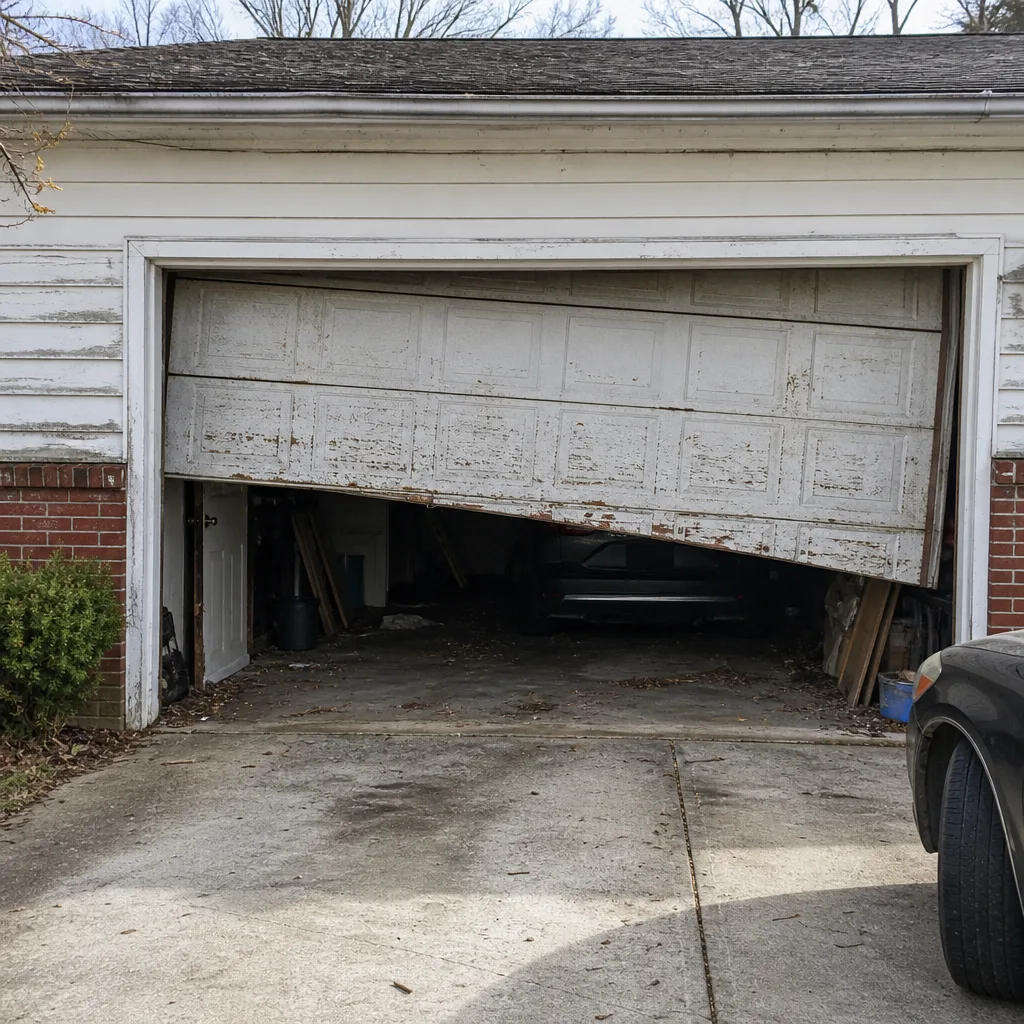 Before
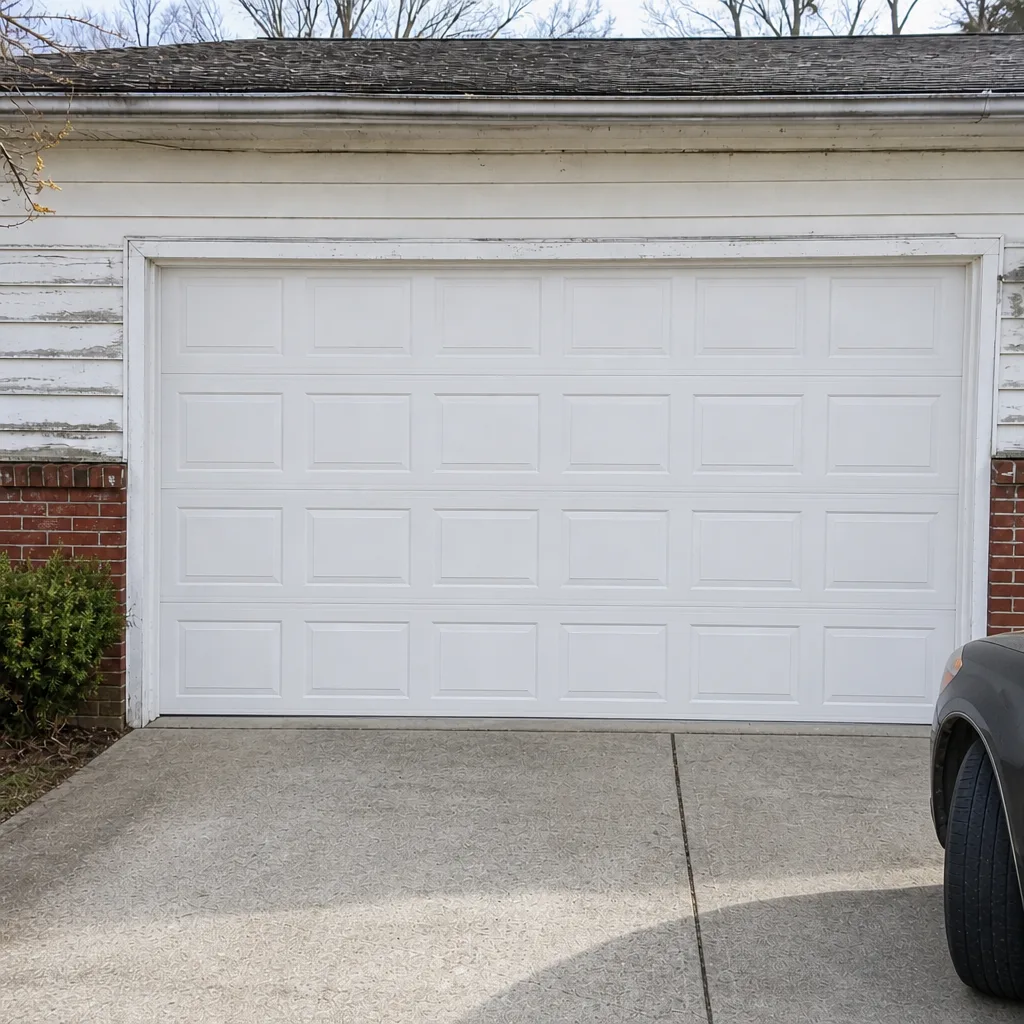 After
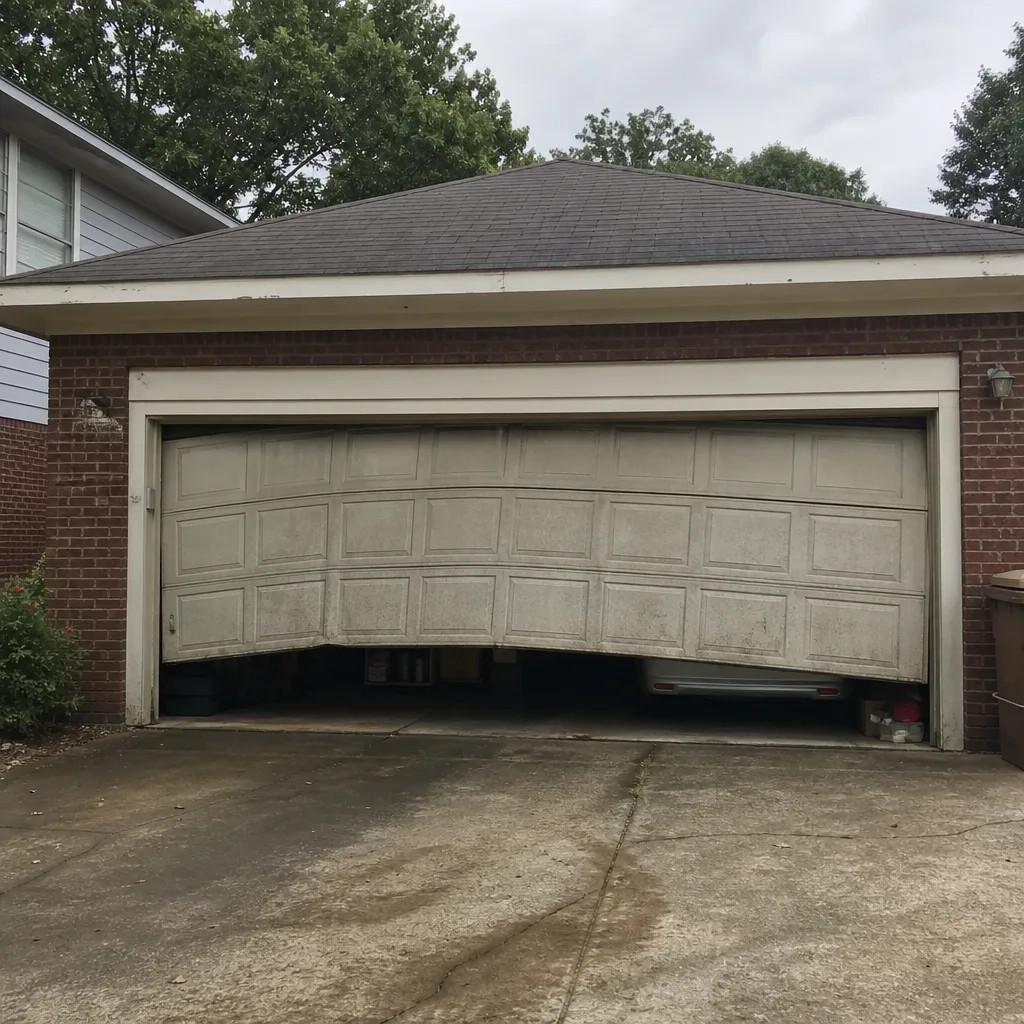 Before
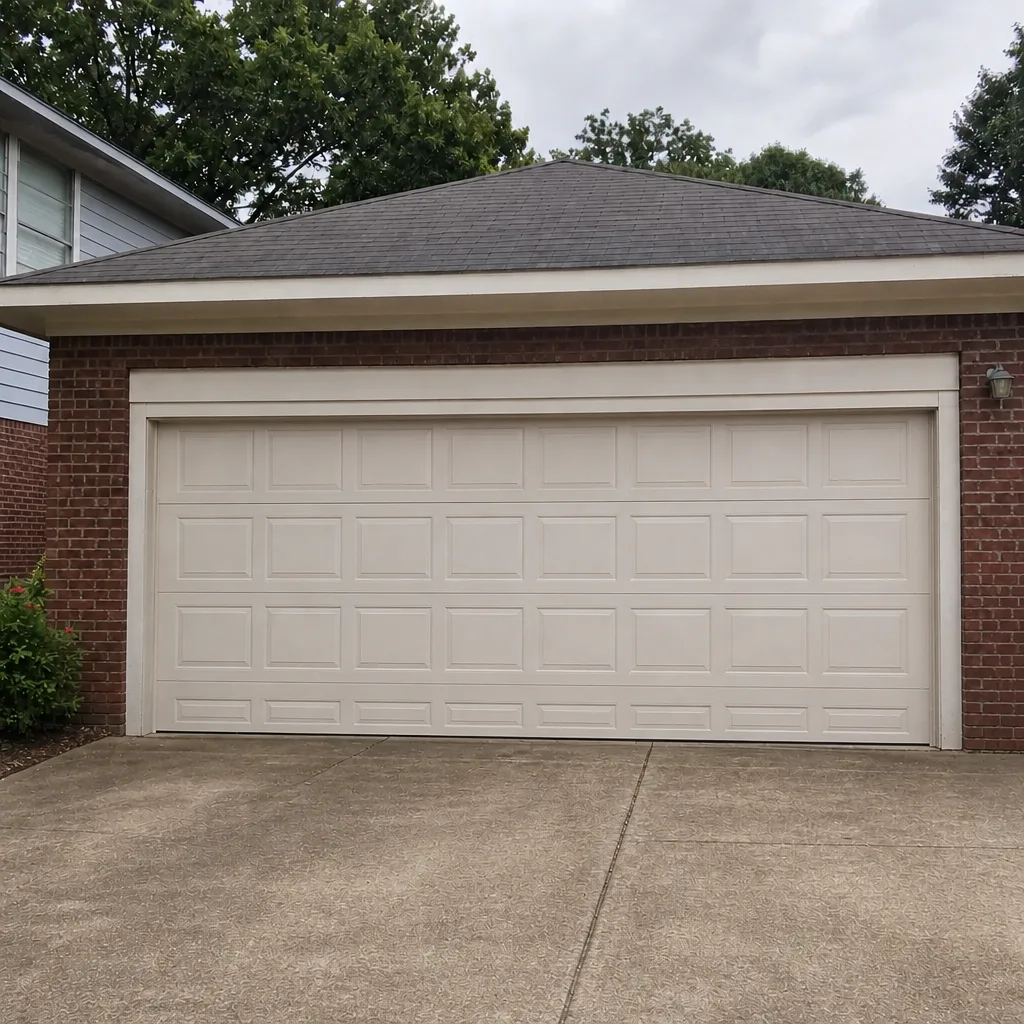 After
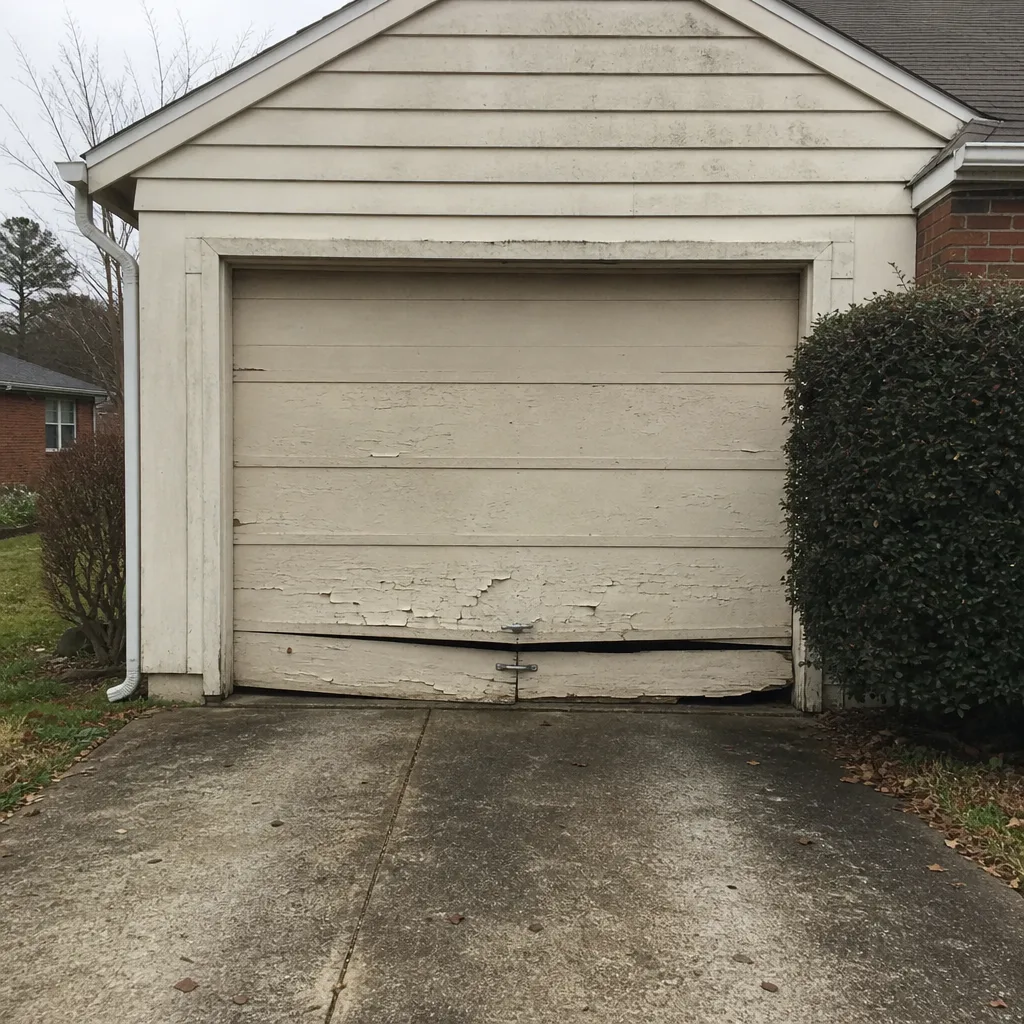 Before
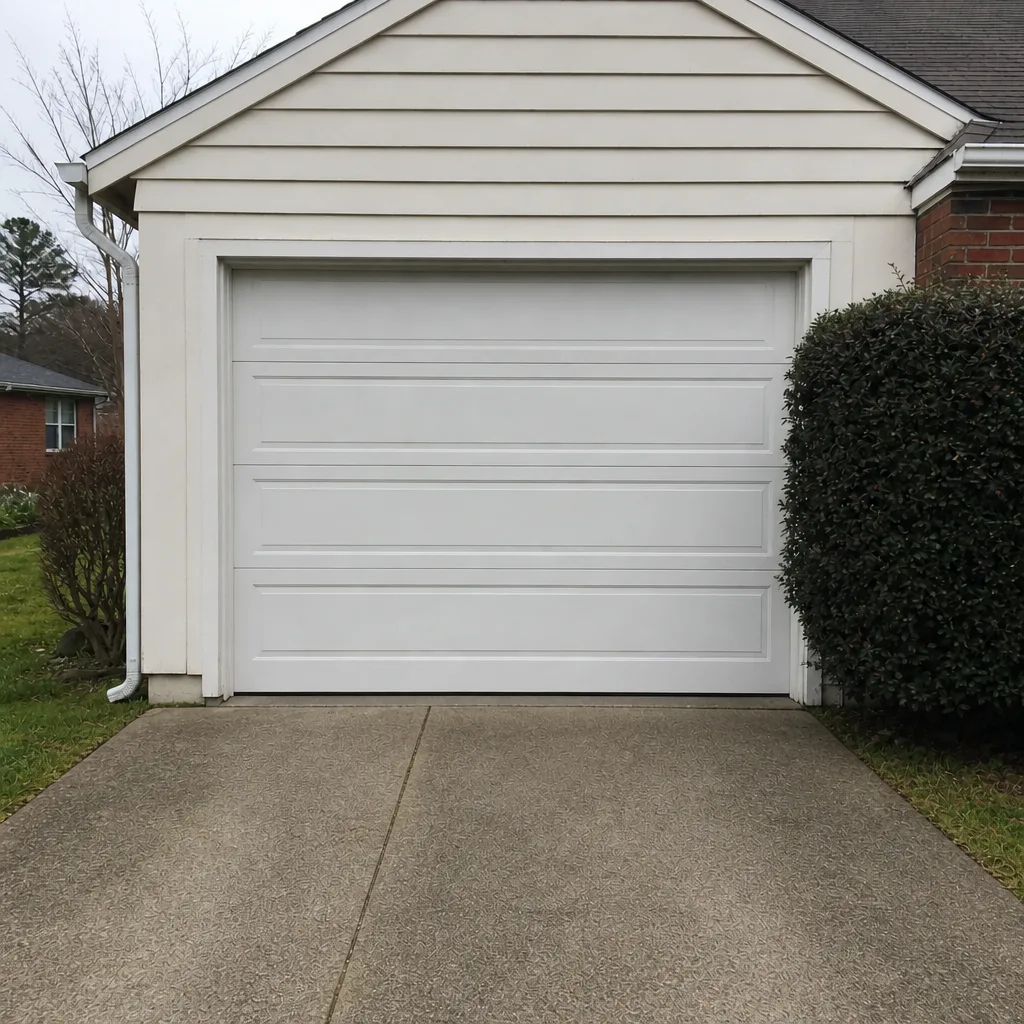 After
When to Call a Professional
Call a professional if you see a gap in a torsion spring, find a frayed or tangled cable, hear a slam on close, or feel the door isn’t carrying its own weight. Call if the door needs two presses to close and cleaning the photo-eyes didn’t fix it, if the door reverses at the same point on every trip, or if any part of the hardware looks bent, cracked or out of line. And call without hesitation if the door has come off one track or stopped mid-travel with the door semi-open – don’t force it. Crescent Garage Door Repair offers free estimates in Winston-Salem. Call (877) 692-2814. We answer 24/7. Fast dispatch from 7am to 7pm, Sunday through Friday. Our technicians have up to 9 years of experience, and every price is quoted and agreed in writing before any work starts.
Frequently Asked Questions
A heavier-than-normal door on the manual lift test is usually the earliest sign. Before a spring snaps, it loses tension, so the door starts requiring more effort to lift by hand and won’t stay put at waist height. If you also hear a hollow bang from the garage or notice a gap in the coils, the spring has likely failed. Call us for a free estimate before you run the door again.
No. A mid-travel squeal is often dry rollers or hinges, and a basic lubrication and hardware check can quiet it. A startup grind or a slam on close is more serious and points to the opener or the spring system. If the noise started suddenly or gets worse on every trip, have it looked at.
Sometimes. Cleaning the lenses and checking that nothing blocks the beam fixes many two-press close issues. If both indicator lights are steady and the door still needs two presses, the issue is likely in the wiring or the opener logic board, and that’s a job for a technician. Call (877) 692-2814 for a free estimate on opener repair in Winston-Salem.
A quick visual check and a listen during operation once a month, plus a full check when seasons change. In Winston-Salem, the shift from summer humidity to winter cold is when most failures show up, so a check before the first cold snap is worth the fifteen minutes.
Yes, a bit. LiftMaster and Chamberlain openers often show photo-eye and logic-board issues, and Genie units more often show drive and motor symptoms. We’re trained on all eight major brands, so we read the symptom against the specific system rather than treating every opener the same. Call (877) 692-2814 for a free estimate.
No. The price is quoted and agreed in writing before any work starts, and the written estimate sets the final price. If the diagnosis changes once we’re on site, we’ll talk it through with you first. Estimates are free – call (877) 692-2814.
The Bottom Line
Your garage door warns you before it fails, and the warning comes in a specific language: the timing of a noise, the weight of the door in your hand, the gap in a spring, the number of button presses it takes to close. Learn that language and you’ll turn most emergencies into scheduled repairs. Keep a log, do a visual check each month, and don’t touch the torsion springs – those are the one part of the system a trained technician should always handle. If you’re reading this in Winston-Salem and something in the list above sounds familiar, get it looked at now, before the door decides for you.
Call (877) 692-2814 for a free estimate. We answer 24/7. Fast dispatch from 7am to 7pm, Sunday through Friday. Crescent Garage Door Repair handles repair, opener repair and new installation across LiftMaster, Chamberlain, Genie, Clopay, Amarr, Wayne Dalton, Craftsman and Raynor – one company for the whole door, with no handoffs.
Written by the team at Crescent Garage Door Repair.