
Last updated November 16, 2026
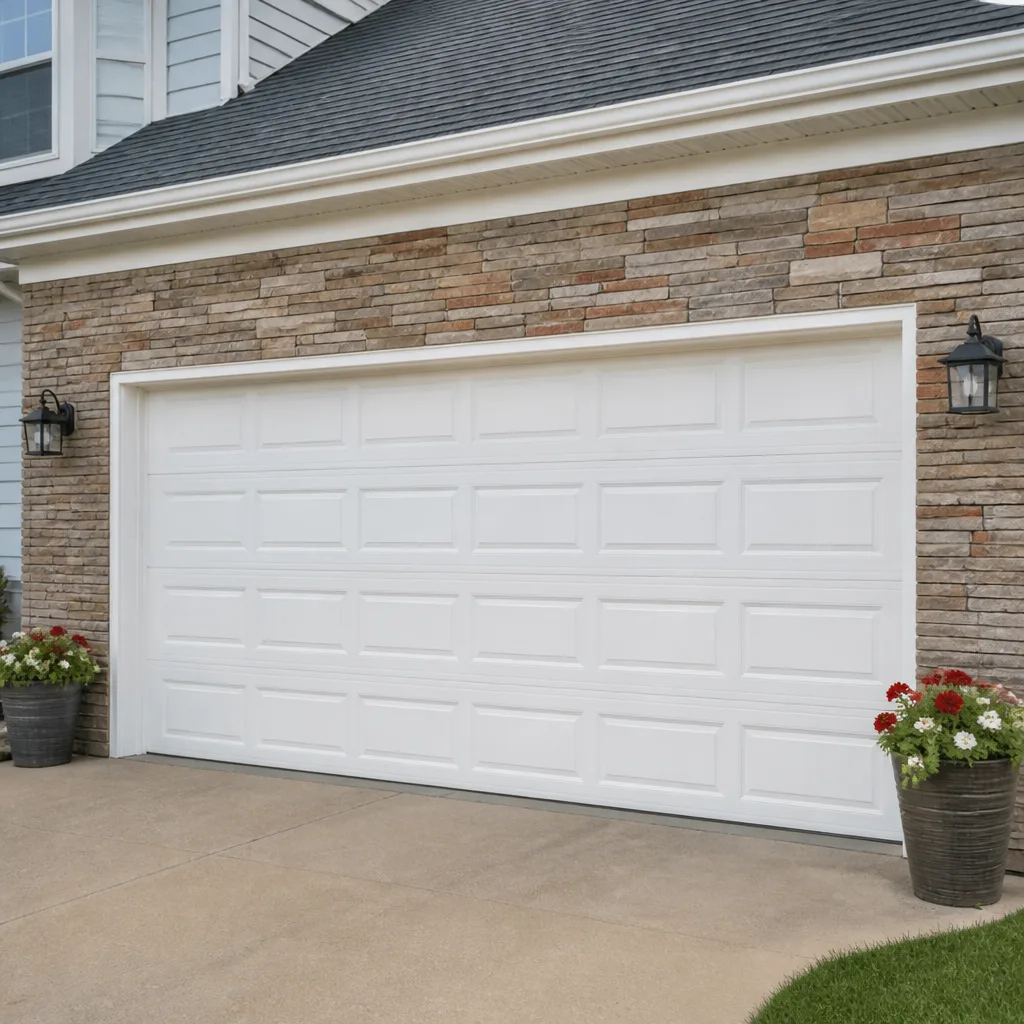 Raised-panel steel
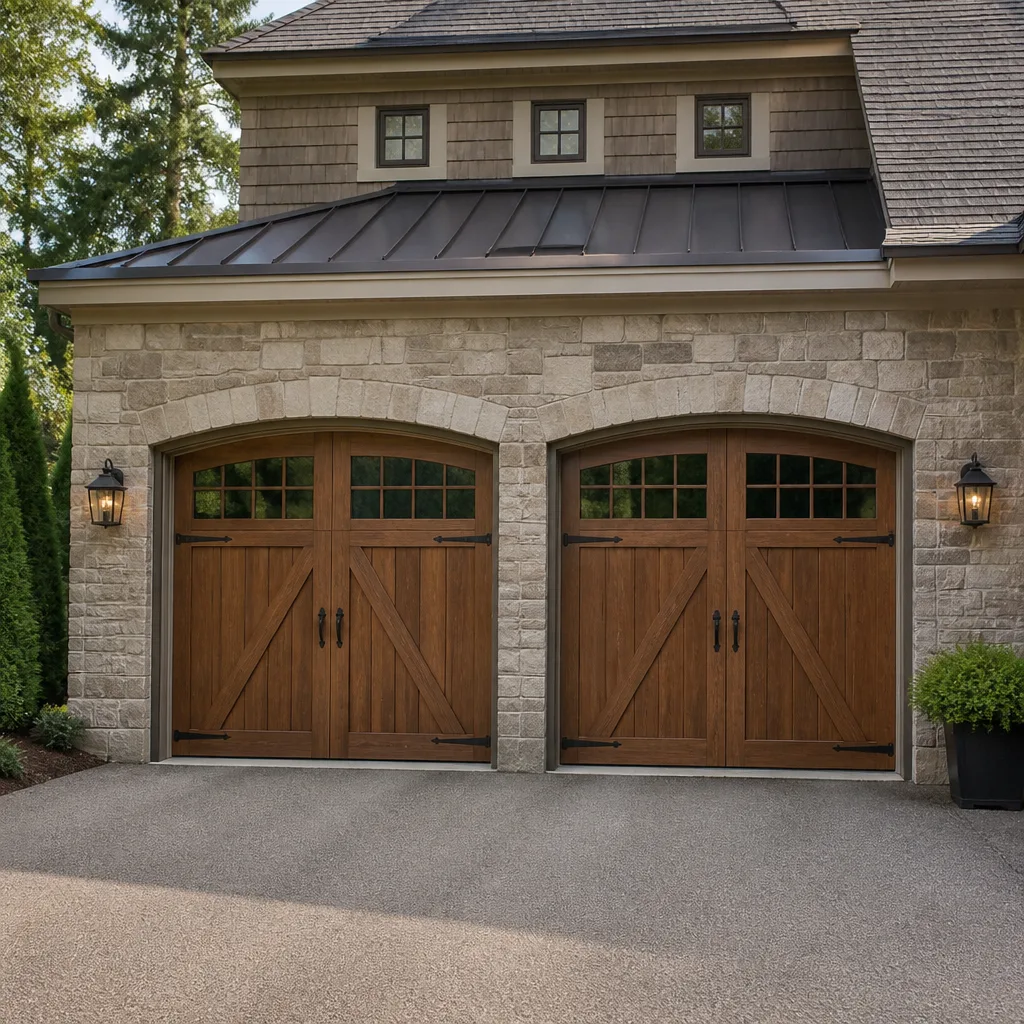 Carriage house
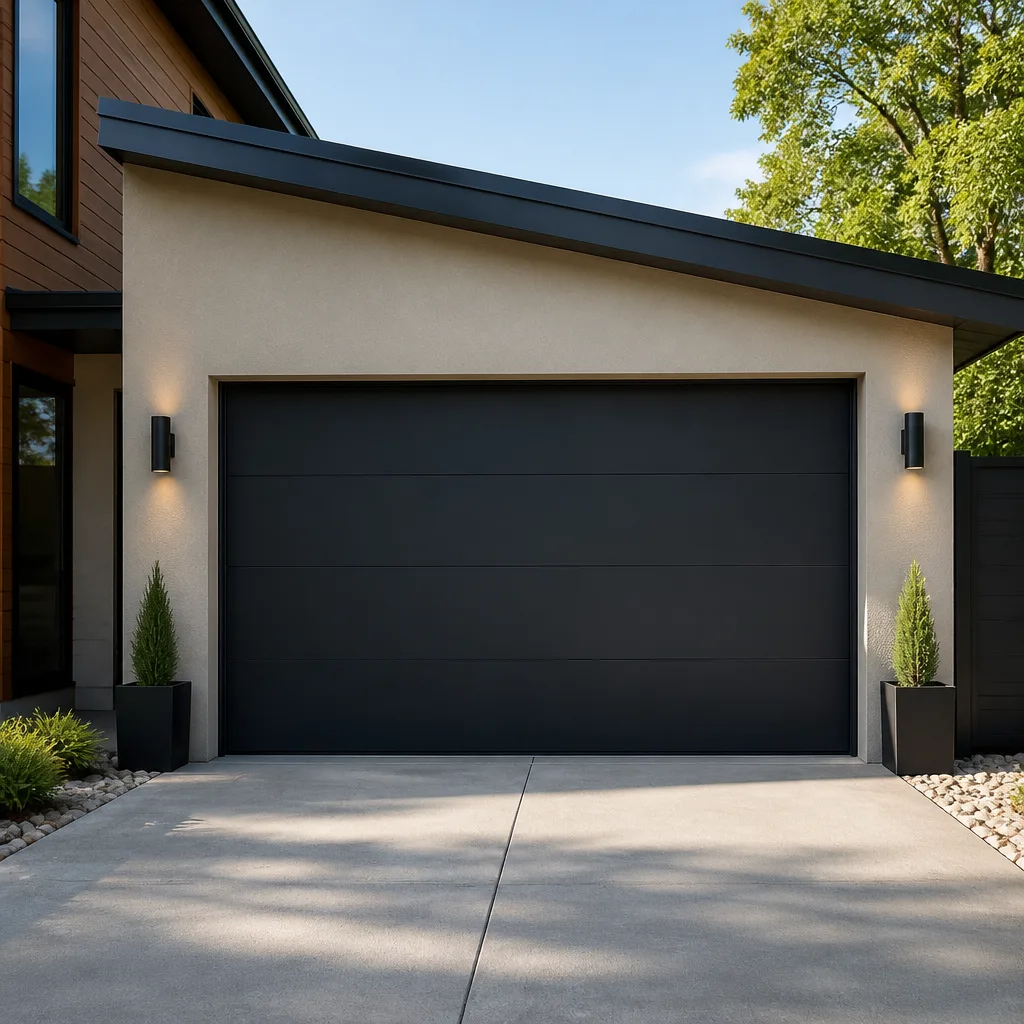 Modern flush
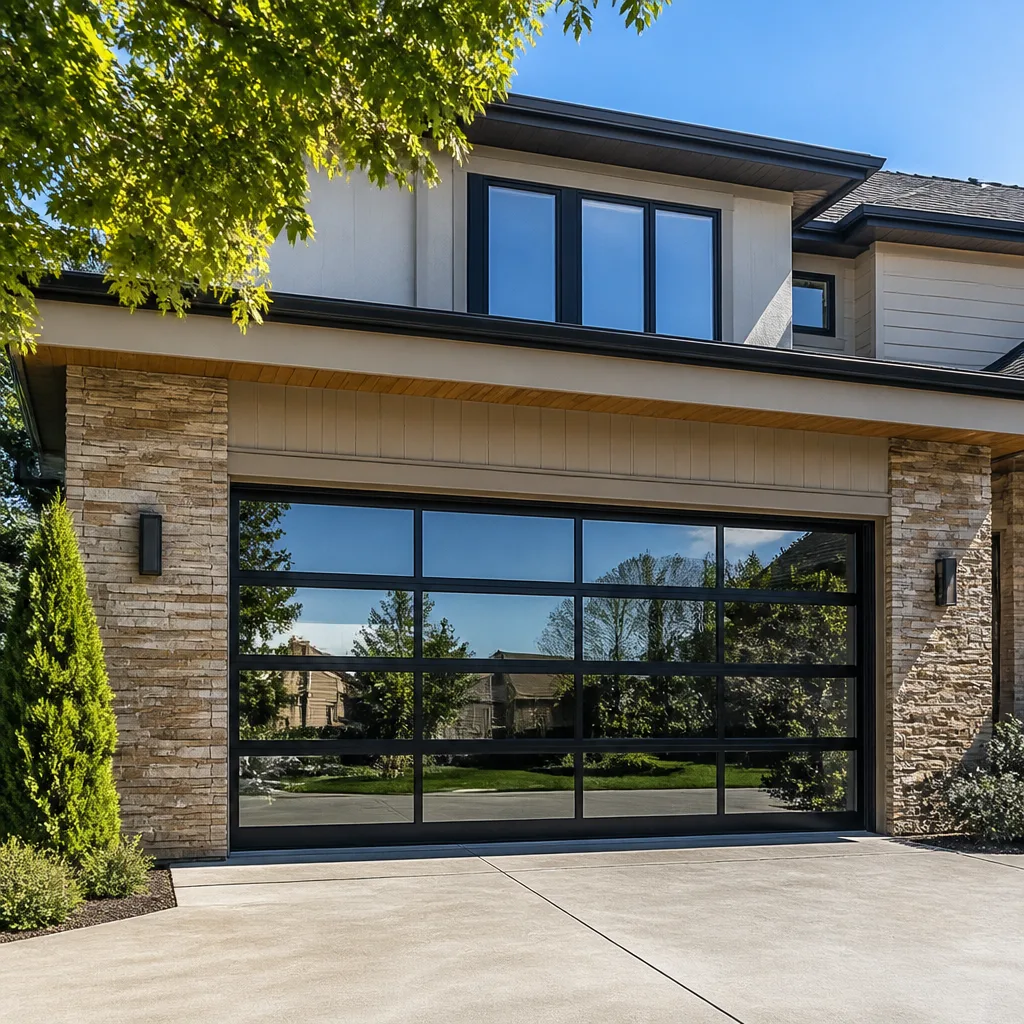 Full-view glass
 LiftMaster openers
 Chamberlain openers
Full 25-point door and opener safety check with every visit - springs, cables, rollers, tracks, and your LiftMaster or Chamberlain opener included
You get a price before we start. It does not change when the pro arrives.
Get your free estimateGarage Door Emergency Preparedness Guide for Winston-Salem Homes
Most garage door emergencies here don’t start with a broken part. They start with a homeowner standing in the dark, holding a flashlight, staring at a door that won’t budge and a car that needs to be somewhere. The opener is fine. The spring is fine. What’s missing is knowing what to do in the first sixty seconds. Ice storms knock out power across the Triad, summer thunderstorms trip breakers, and a door that worked perfectly last night suddenly won’t move. This guide walks through the three procedures every Winston-Salem homeowner should know before that happens: how to release the door manually on the opener brands most common in Winston-Salem homes, how to secure a released door so nobody can lift it from the driveway, and when a stuck door means stop and call rather than pull harder.
Quick Answer
Prepare for a garage door emergency in Winston-Salem by doing three things: find the manual release cord on your opener and test it once while the power is on, learn how to lock down a released door so it can’t be lifted from outside, and keep the number of a technician who services your opener brand where you can grab it in the dark. If your spring has snapped and the door won’t move at all, do not force it. Call a professional.
Styles & brands we work with
- Raised-panel steel
- Carriage house
- Modern flush
- Full-view glass
- LiftMaster openers
- Chamberlain openers
Table of Contents
- How to release your garage door manually by opener brand
- Securing a manually released door: the gap most homeowners miss
- Broken spring and a door that won’t move: your safe options
- The pre-storm checklist: two checks that prevent most cold-weather calls
- Power outages, tripped breakers, and the false alarm
- How to reach a Winston-Salem technician fast and what to have ready
- Why Winston-Salem winters are hard on garage door hardware
How to Release Your Garage Door Manually by Opener Brand
The manual release on almost every residential opener is a red cord or handle hanging from the trolley that runs along the rail. Pulling it disconnects the door from the opener motor so you can lift the door by hand. That part is universal. What varies is where the cord is, how the trolley looks, and what you need to be careful of when you pull it. Here’s what to look for on the four brands we see most in Winston-Salem homes.
- LiftMaster: Look for a red handle hanging from the trolley near the door. On newer models with a lockout feature, the handle may need to be pulled down and slightly toward the door. Release the door and lift it by the bottom section, not the panels.
- Chamberlain: Nearly identical to LiftMaster (same parent company, similar trolley design). The red cord hangs from a bracket on the trolley. Pull straight down firmly. If the door has a slide-lock bar on the track, disengage that first or the door will not move even with the release pulled.
- Genie: Genie openers use a similar red cord, but some older models have the release tucked closer to the header bracket, so you may need a step stool. Pull the cord toward you and down. The trolley should slide free of the carriage.
- Craftsman: Craftsman openers, many of them original equipment in homes built through the 1990s, typically hang the red handle from a straight down-cord. Pull firmly and the door disconnects. Older Craftsman units sometimes have a stiff trolley; a sharp, steady pull with your body weight behind it usually does the job.
Before you pull the release on any of these, close the door if it will close. Releasing a door that’s partway up means it drops under its own weight. Lift the door slowly by hand the first time so you know how heavy it is. A properly balanced door should lift with one hand and stay wherever you leave it. If it slams down or feels like dead weight, the spring is compromised and you should not be lifting it at all. Our technicians have up to experience across these opener types, and the differences between them come down to these small details. When a manual release won’t work and the door won’t budge, that’s a job for garage door opener repair rather than a longer pull.
Securing a Manually Released Door: The Gap Most Homeowners Miss
Pulling the release cord disconnects the door from the opener. That’s the point. But once it’s disconnected, nothing is holding the door down except gravity and its own weight. Anyone who walks up your driveway can lift the door from outside with their hands, and on most doors that lift is easy. This is the security gap very few homeowners know about until it matters, and it’s the reason a manual release should always be followed by a lock-down step.
Here’s how to close that gap:
- Engage the slide lock. Many openers include a manual slide lock on the door track. Once the door is disconnected, slide the lock into position and it physically stops the door from being lifted.
- Use the door’s own lock bar if it has one. Older doors often have a lock bar or latch. If yours does, use it. If it doesn’t, a C-clamp on the track above a roller will hold the door down, though it’s a temporary fix.
- Run a padlock through the track and a roller. A simple padlock threaded through one of the track holes and around the roller stem stops the door from lifting without any drilling.
- Do not rely on the opener itself. Once the trolley is disconnected, the motor can’t help you. The door is only as secure as the lock you put on it.
The other thing to know: a quick-release cord should be used with the door down, or nearly down. If the door is already up when the power goes out, close it manually first if you can. Then release, then lock. That order keeps the door from dropping on anyone, and it moves you quickly from “door stuck open” to “door closed and locked.” In Winston-Salem, where a power outage can stretch on for hours after a storm, that order is worth knowing by heart. If you’d like the whole system checked before storm season, garage door repair is a good place to start.
Broken Spring and a Door That Won’t Move: Your Safe Options
When a torsion or extension spring breaks, the door loses the counterbalance that makes it liftable. The door becomes extremely heavy, and it should never be forced. This is the clear line in garage door work: springs are not a do-it-yourself repair. A torsion spring under tension carries enough stored energy to cause serious injury in an instant, and the winding bars and technique that hold it safely are not something to learn from a video. If you hear the loud bang, see the door hanging at a slight angle, or the door won’t lift more than a few inches, stop and call a trained technician.
What you can safely do while you wait:
- Leave the door in the closed position, or let it rest where it stopped. Don’t force it up or down.
- Unplug the opener so nobody in the house tries to run it and strips the gears or bends the track.
- If you need the car out, use a second vehicle or a neighbor if that’s an option. Do not try to force the door up under spring tension.
- Clear the area under the door and keep kids and pets out of the bay until a technician arrives.
What you should not do: pull the manual release hoping the door will lift, because it won’t. With a broken spring, releasing the door from the opener just makes it heavier in your hands. Same with trying to prop it up to get the car out. Springs are the one part of a garage door system that reliably earns the phrase “no safe manual option.”
On some doors, a broken spring is obvious: the door hangs crooked, one side sags, or you can see the break. On others, especially Wayne Dalton doors with torque-master tubes, the spring is hidden inside the tube and the failure shows up as a door that suddenly stops lifting. Either way, a technician can diagnose it in a few minutes. We work on the brand you already have, so whether your door is a Wayne Dalton, an Amarr, or something else entirely, we’ve seen the failure before.
The Pre-Storm Checklist: Two Checks That Prevent Most Cold-Weather Calls
Most garage door calls we get in Winston-Salem during the cold months share a short list of root causes: a door that was already out of balance, a weather seal that’s dried out or stuck to the floor, or a track that’s slightly misaligned. Two quick checks in the fall catch nearly all of it before the first ice storm.
Check 1: The balance test
With the door closed, pull the manual release, then lift the door to about waist height and let go. A balanced door stays put. A door that sinks on its own is losing spring tension, and it will fail under cold weather. Getting the balance adjusted now is cheaper and calmer than fixing it in a freezing bay in January.
Check 2: The seal and track check
Walk the bottom seal and look for hardening, cracks, or a seal that has stuck to the concrete. A seal that freezes to the floor can burn out an opener motor that tries to lift a door that’s glued down. Then run a hand along the tracks on both sides: any loose bracket or bent section should be fixed before ice gets in. A slightly misaligned track is a minor repair now and a stuck door later.
If both checks pass, you’re in good shape for the season. If either fails, address it while the weather is mild. That’s the entire strategy: catch the wear in October so you’re not dealing with it in February. Our technicians can run both checks on your next service call, and it takes less time than most people expect. If your opener is the part that’s acting up, garage door opener repair covers the diagnosis.
Power Outages, Tripped Breakers, and the False Alarm
Not every “dead” garage door is a dead opener. In a Winston-Salem power outage, the opener loses power like any other appliance, and the fix is either the manual release or a wait. But a door that won’t open when the rest of the house has power is usually one of four things: a tripped breaker, a blown fuse, a wall control that got knocked out, or a safety sensor that’s misaligned. Before you call a technician, run through this quick set:
- Check the breaker panel for the garage circuit. If it’s tripped, reset it once and see if the opener powers on.
- Look at the wall control inside the garage. A backlit button that’s completely dark suggests no power to the unit.
- Check the safety sensors at the bottom of the track on both sides. One blinking LED usually means misalignment or a spiderweb in front of the lens.
- Press the wall button once. If the opener hums but doesn’t move, the motor is drawing power but the door is jammed, which points to a mechanical issue rather than electrical.
If you’ve reset the breaker, checked the sensors, and the opener still won’t respond, the issue is inside the unit and it’s time to call. We work on LiftMaster, Chamberlain, Genie, and Craftsman openers regularly, and the diagnosis is usually quick. If you’re mid-outage and just need the car out, use the manual release procedure above. If the door is stuck open and the power is out, secure the door with the lock-down step so the house isn’t left open while you wait for the power to come back. A garage door left open with no car in the driveway is a security problem in any neighborhood in Winston-Salem, whether you’re in Ardmore, Buena Vista, or out toward Pfafftown.
How to Reach a Winston-Salem Technician Fast and What to Have Ready
When the door is stuck and the car is trapped, the first thing to do is make the call, and the second is to know what to tell the person on the other end. Getting a technician to your door quickly is about having the right information ready so dispatch can match you to the right person. Here’s the short version:
- Your address and the nearest cross street. Winston-Salem has neighborhoods with similar names and driveways that are easy to miss. A cross street saves time.
- The door brand and opener brand if you know them. LiftMaster and Chamberlain share parts; Genie and Craftsman have their own. Knowing the brand lets the technician bring the right parts the first time.
- What the door is doing: won’t open, won’t close, opens a few inches and stops, hanging crooked, motor runs but door doesn’t move. Each symptom points to a different diagnosis.
- Whether you’ve already pulled the manual release. If you have, tell them. The technician will want to reconnect and reset the trolley.
- Whether the door is open, closed, or stuck partway. This affects both safety and the urgency of the visit.
We answer 24/7. Fast dispatch from 7am to 7pm, Sunday through Friday. If a door fails on a Saturday, call and we’ll book you for Sunday. Our technicians have up to experience and work on the eight major brands installed across the Triad, including Raynor and Amarr doors that are common on newer construction. Full-system service is the point: repair, opener repair, and installation under one company, so you’re not coordinating two contractors if the problem spans both the door and the opener. When you call, ask for a free estimate and tell us what’s happening. The written quote sets the price before any work begins. If you’re looking for Winston-Salem help on a Sunday or in the middle of a cold snap, we’re set up to reach you.
Why Winston-Salem Winters Are Hard on Garage Door Hardware
Winston-Salem doesn’t get the deep snow of the mountains or the long cold of the upper Midwest, but the winters here are uniquely hard on garage doors because of the freeze-thaw cycle. Temperatures swing above and below freezing repeatedly through January and February, and each swing works on the door in a different way. Lubricant thickens in the cold, then thins and runs in the warm spell. Metal tracks contract at night and expand by afternoon. The bottom seal freezes to the concrete overnight and then sticks firmly the next morning.
The parts that fail first in this climate:
- Bottom weather seals harden with age and stick to concrete when temperatures drop, then tear when the door lifts.
- Torsion and extension springs lose tension with repeated cycles, and a spring that’s close to failing is more likely to fail on a cold morning than a warm afternoon.
- Rollers and hinges dry out and get stiff, which forces the opener to work harder.
- Photo-eye sensors fog up or get condensation on the lens, which can cause the door to reverse unexpectedly.
The strategy that works in a Winston-Salem winter: get the door serviced in the fall, lubricate the moving parts, replace a worn bottom seal before it freezes to the floor, and test the balance and reverse function once a month through the cold months. That last one is often what a service visit is for. If a storm is coming this week, it’s not too late to call. If one just went through and the door is acting up, that’s the right time to call too.
Common Mistakes to Avoid
- Pulling the release cord while the door is open. If you release the trolley with the door up, the door drops under its own weight. Always close the door first if you can, then release, then lock it down.
- Forcing a stuck door with a broken spring. A door with a broken spring is much heavier than it looks, and forcing it can bend the track, snap a cable, or injure someone lifting it. Leave it closed and call.
- Assuming the opener is dead when the breaker tripped. Plenty of “failed openers” in Winston-Salem are just a tripped breaker or an unplugged unit. Check power before you call.
- Ignoring the security gap on a released door. A door disconnected from its opener and not locked down can be lifted from the driveway by hand. Lock it every time, including overnight.
- Skipping the fall check. A door that’s out of balance in October will usually be the emergency call in January. The check takes minutes and prevents most cold-weather calls.
- Assuming any brand’s parts fit another. LiftMaster and Chamberlain share parts, but Genie, Craftsman, Wayne Dalton, and Raynor all use different hardware. Naming the brand when you call saves a second trip.
- Running the opener against an ice-sealed door. A door stuck to the floor overworks the motor and can strip the gears inside the opener. Break the seal free by hand first.
See the difference
 Before
 After
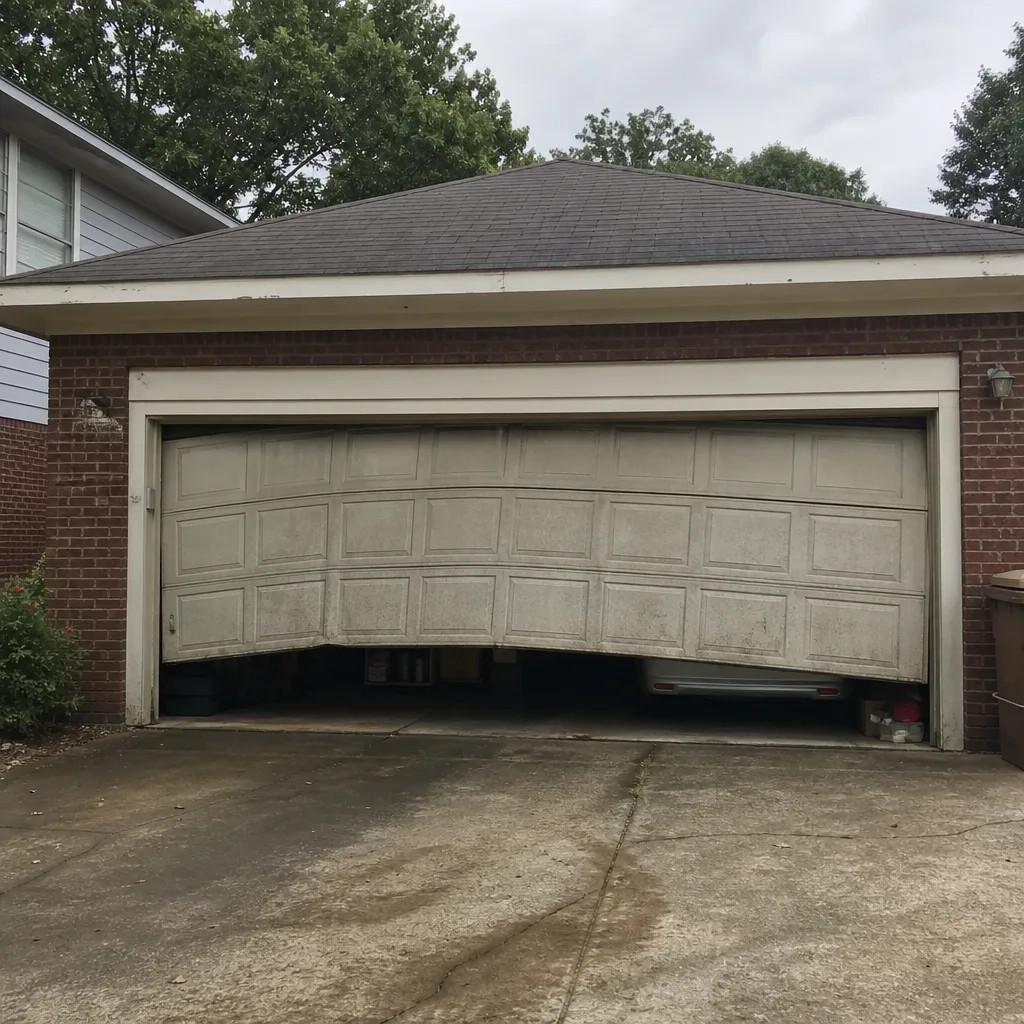 Before
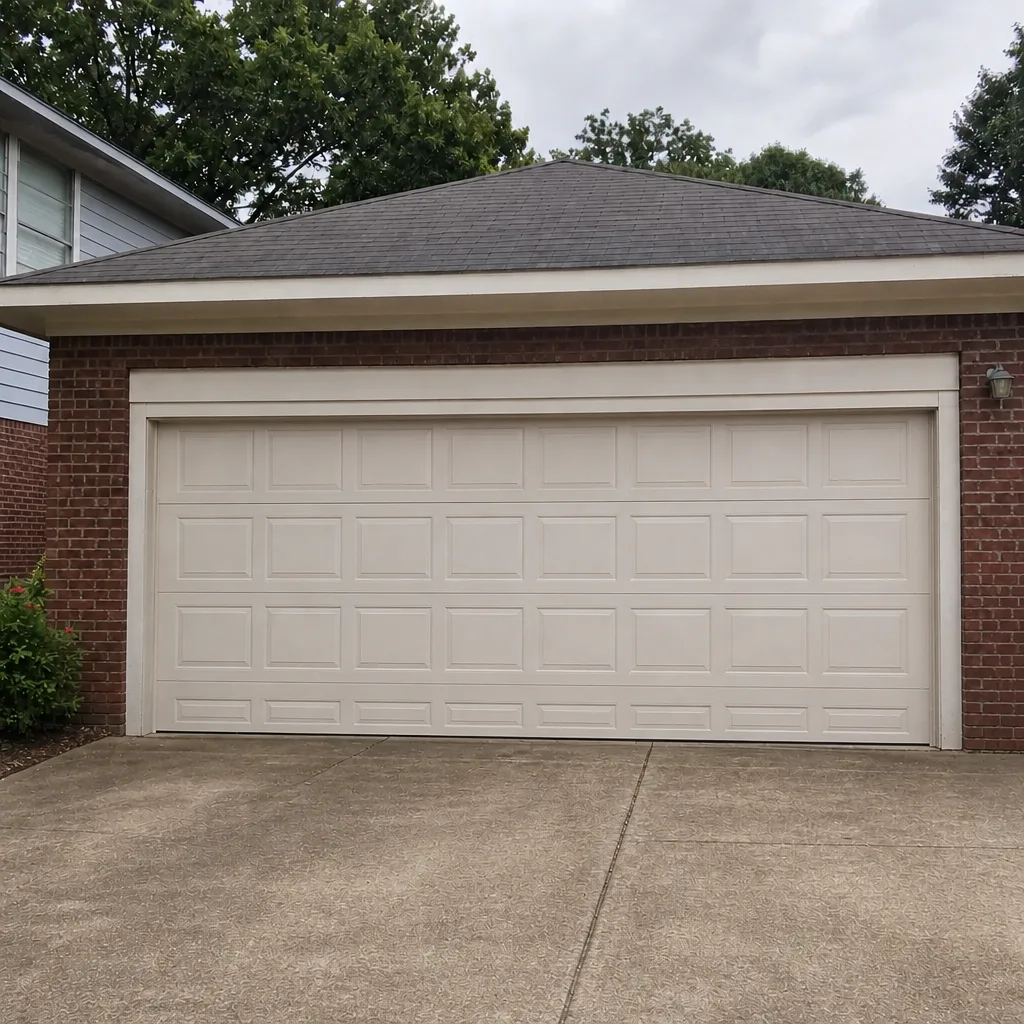 After
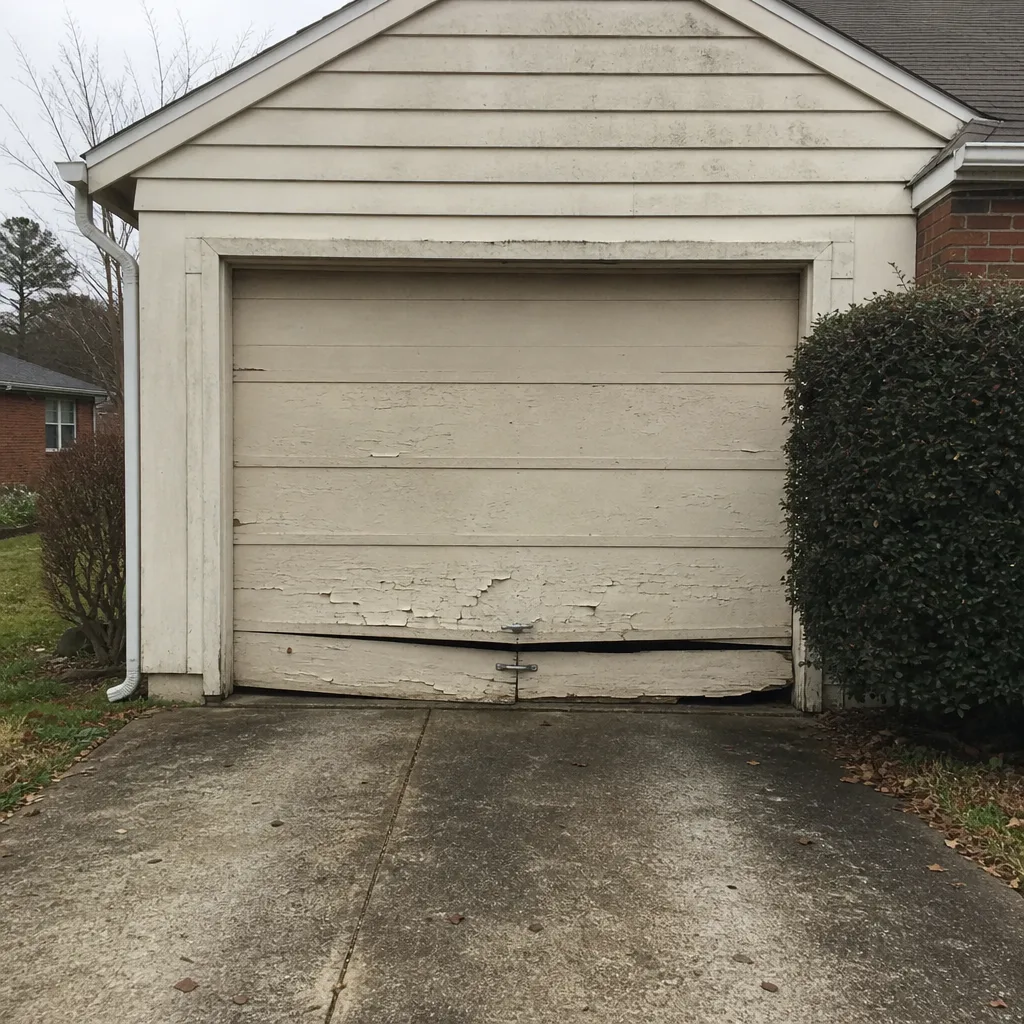 Before
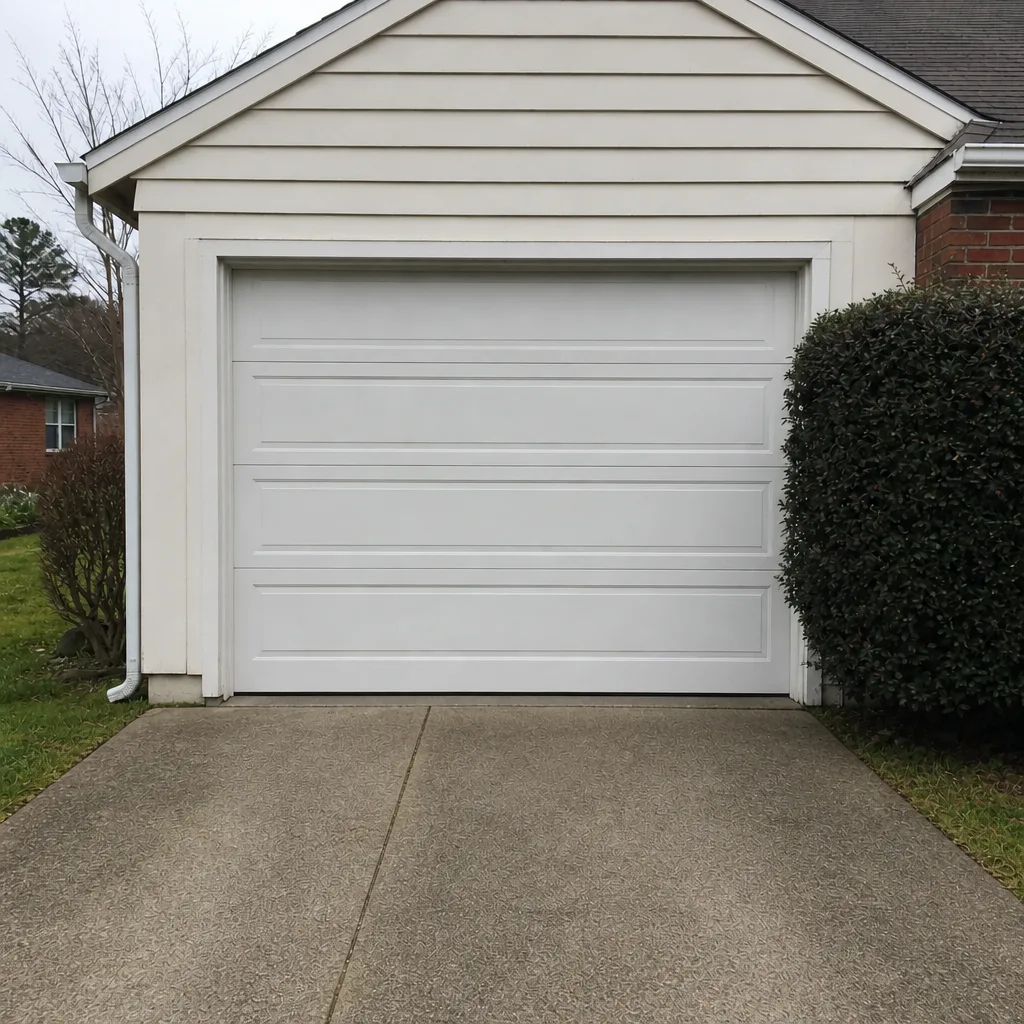 After
When to Call a Professional
Some garage door problems are a quick reset. Others need training and the right tools, and trying to handle them yourself can make things worse or cause real injury. Call a professional when a spring is broken, when the door hangs crooked or drops fast, when the opener hums but doesn’t move the door, when a cable has snapped or come off the drum, when the door reverses unexpectedly and won’t stay closed, or when you’ve pulled the manual release and can’t get the door reconnected to the opener. Springs in particular are a hard stop. Crescent Garage Door Repair offers free estimates in Winston-Salem, and we work on the brand you already have: LiftMaster, Chamberlain, Genie, Clopay, Amarr, Wayne Dalton, Craftsman, and Raynor. Call (877) 692-2814. We answer 24/7. Fast dispatch from 7am to 7pm, Sunday through Friday. The price is quoted and agreed before any work starts.
Frequently Asked Questions
Pull the red manual release cord hanging from the opener trolley, then lift the door by hand. The door should lift with one hand if it’s balanced. Close and lock the door behind you so it can’t be lifted from outside while the power is out. If the door won’t lift, the spring may be broken and you should call a technician rather than force it.
It’s a red cord or handle hanging from the trolley near the door. On newer models, pull it down and slightly toward the door to disconnect. On Chamberlain units, the design is nearly identical. If the door has a slide lock on the track, disengage that first or the door won’t move even with the release pulled.
Leave the door closed or where it stopped, unplug the opener so nobody runs it, and call a technician. Do not force the door up and do not pull the manual release expecting the door to lift. A broken spring takes away the counterbalance, and the door becomes far too heavy to safely lift by hand. Call (877) 692-2814 for a free estimate.
Yes. Use the slide lock on the track if the door has one, run a padlock through the track and around a roller, or use a C-clamp on the track above a roller as a temporary fix. Any of these stops the door from being lifted from the driveway. Locking down a released door is the step most homeowners skip.
It’s safe if the door is balanced and the spring is intact. A properly balanced door lifts with one hand and stays where you leave it. If the door feels extremely heavy or drops on its own, stop, close it if you safely can, and call for service. Weight and drop are signs the spring has failed.
We answer 24/7. A call outside dispatch hours is booked into the next opening, Sunday through Friday, 7am to 7pm. If a door fails on a Saturday, call and we’ll book you for Sunday. Call (877) 692-2814 for an exact quote.
The Bottom Line
Garage door emergencies in Winston-Salem come in three flavors: power out, spring broken, or opener dead. Each one has a safe first move, and none of them require forcing the door. Find the manual release on your opener this week and test it once with the power on. Learn the lock-down step so a released door can’t be lifted from the driveway. Run the balance and seal check before cold weather arrives. Then keep the number for a technician who works on your brand somewhere you can find it in the dark. If you’re in the middle of an emergency right now, call us. Crescent Garage Door Repair is here for the door and the opener together, from the opener motor to the bottom seal. Crescent Garage Door Repair is a call away at (877) 692-2814, and the estimate is free.
Written by the team at Crescent Garage Door Repair.