
Last updated November 16, 2026
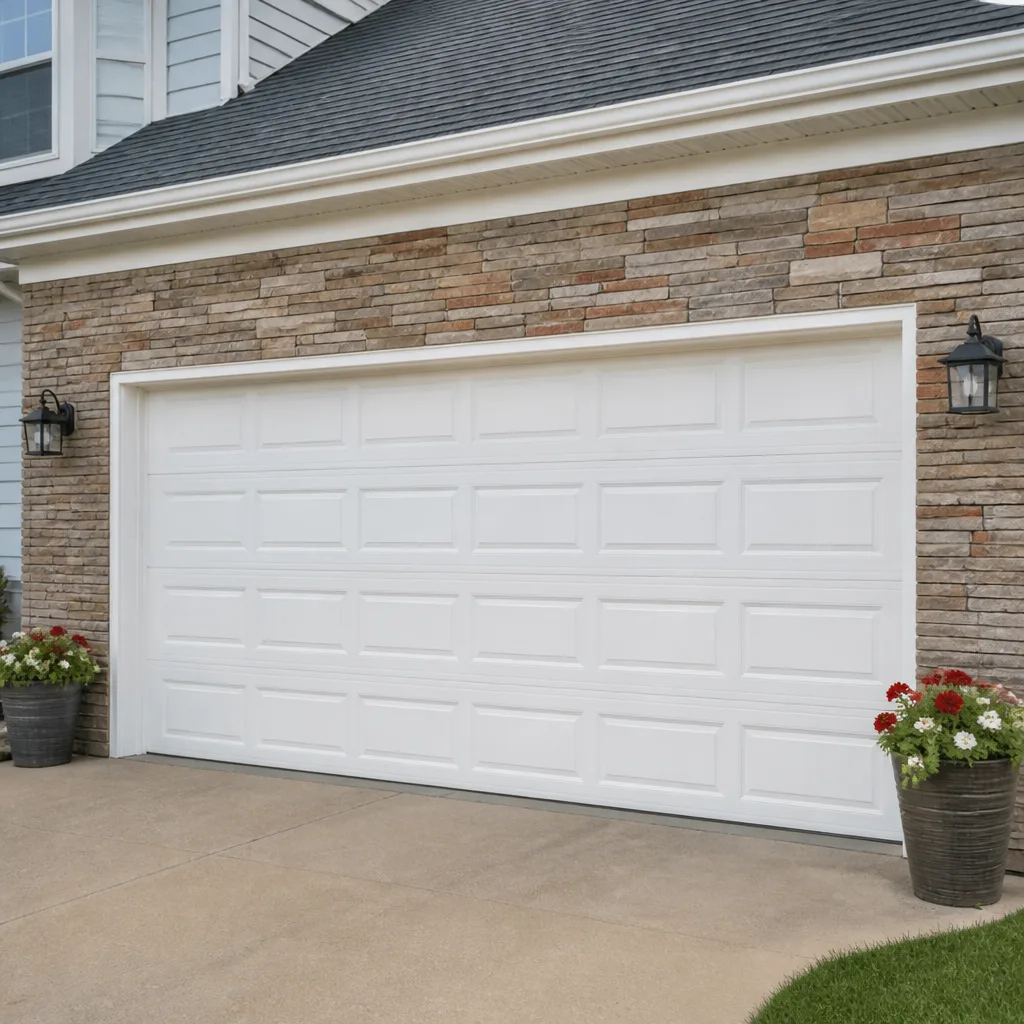 Raised-panel steel
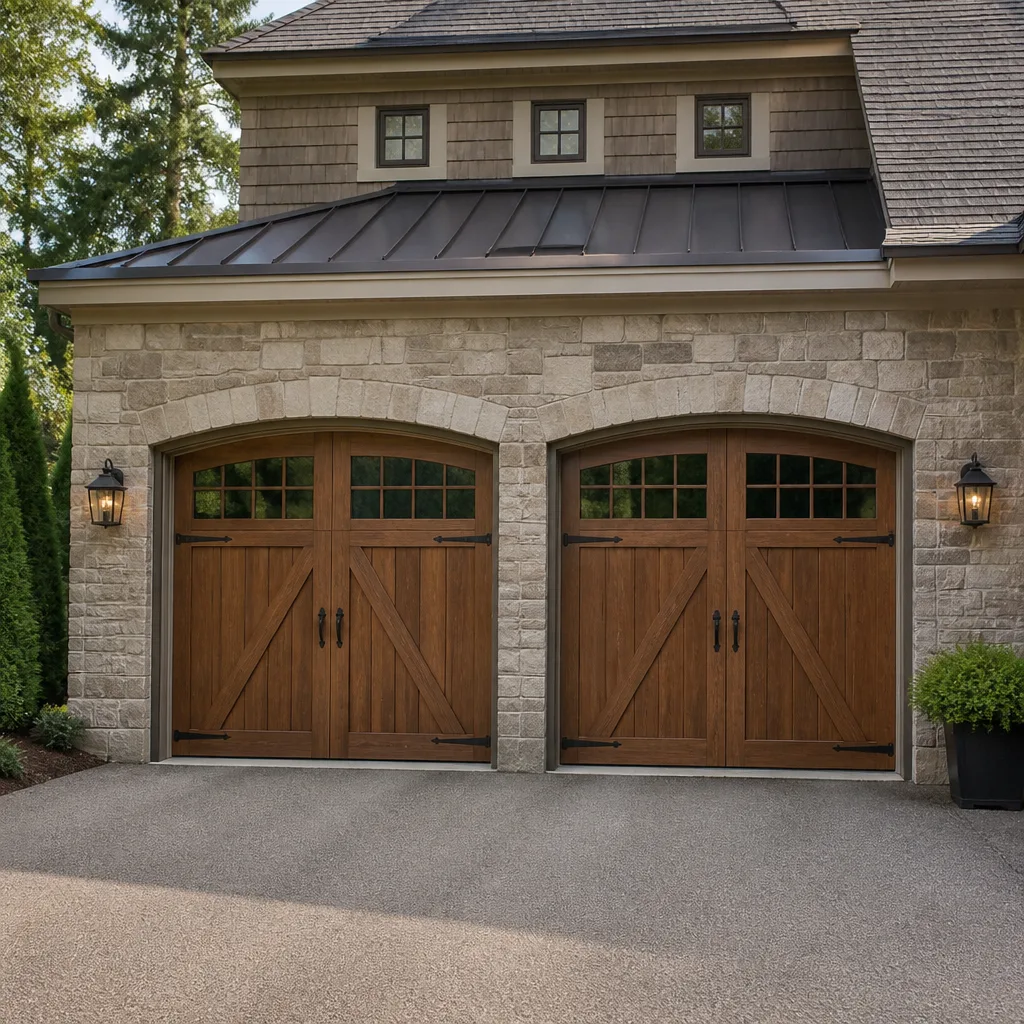 Carriage house
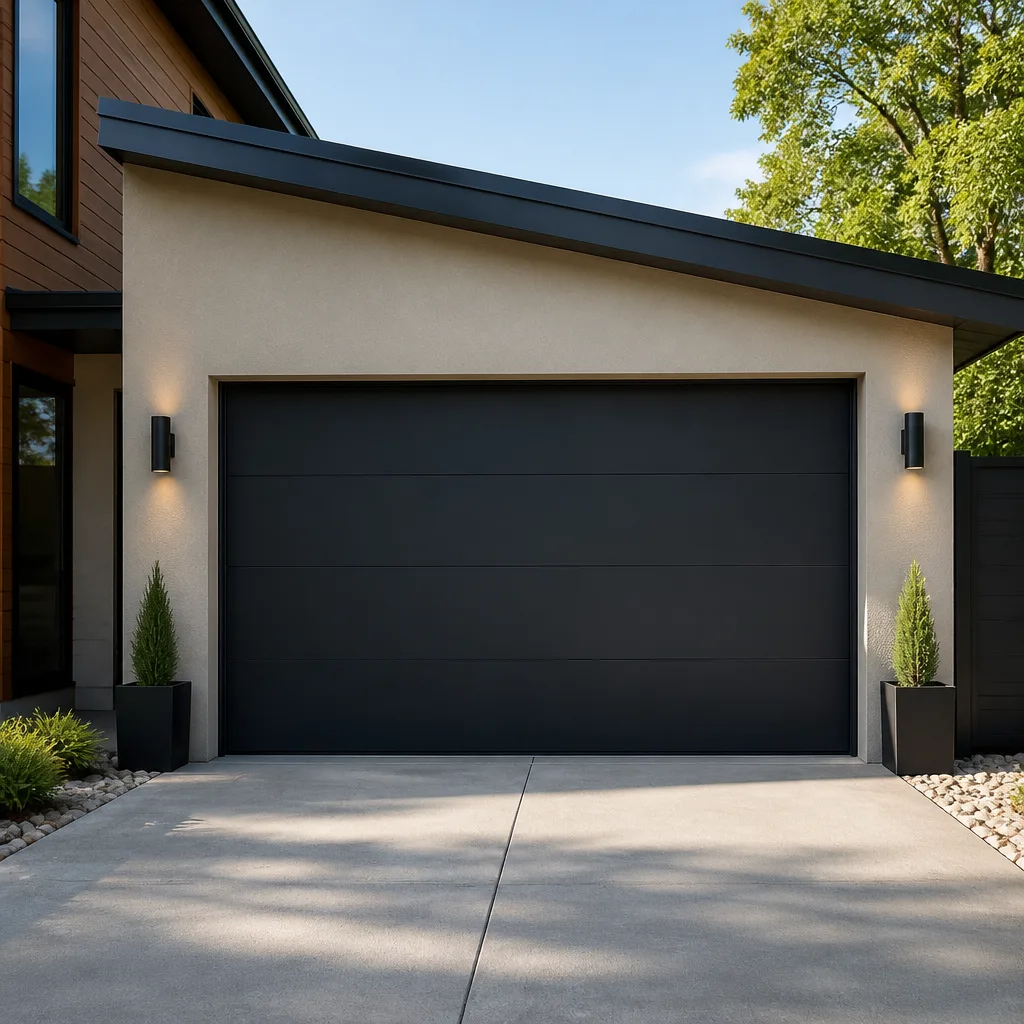 Modern flush
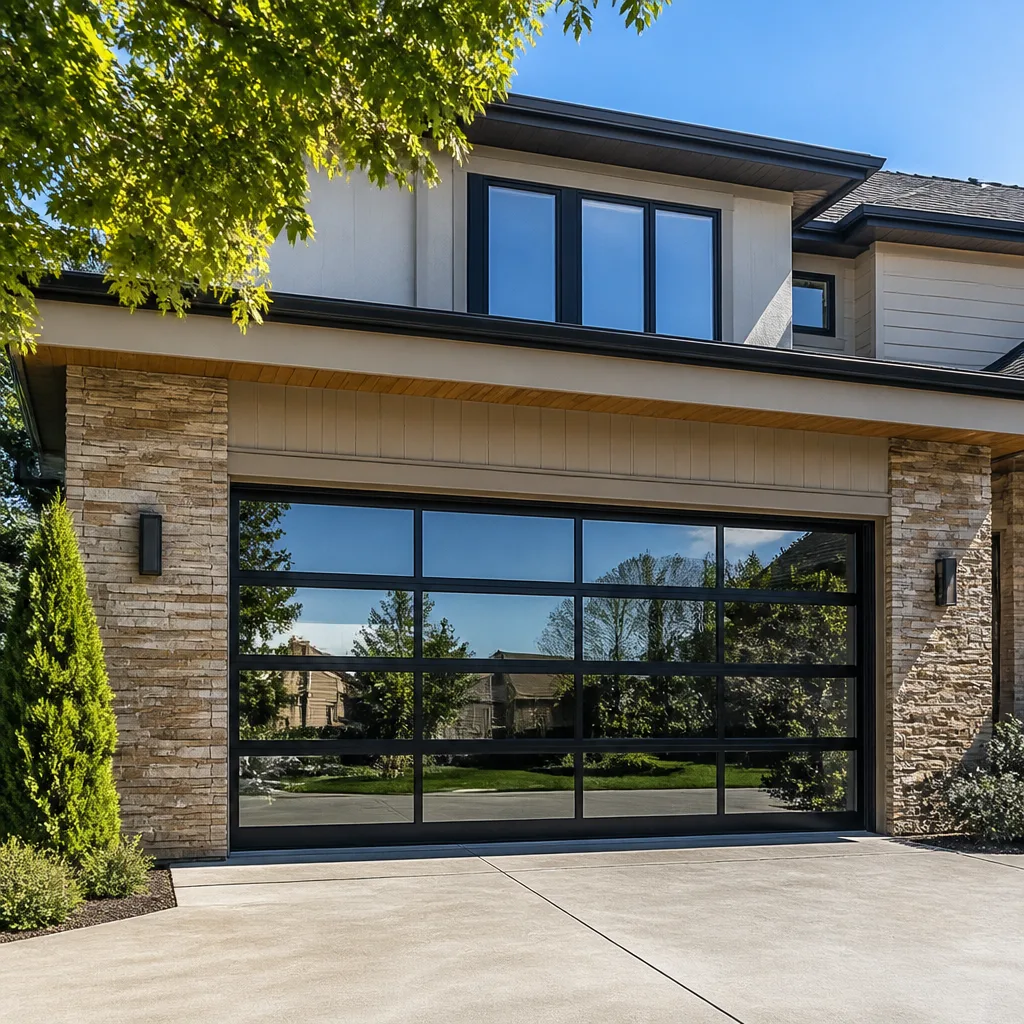 Full-view glass
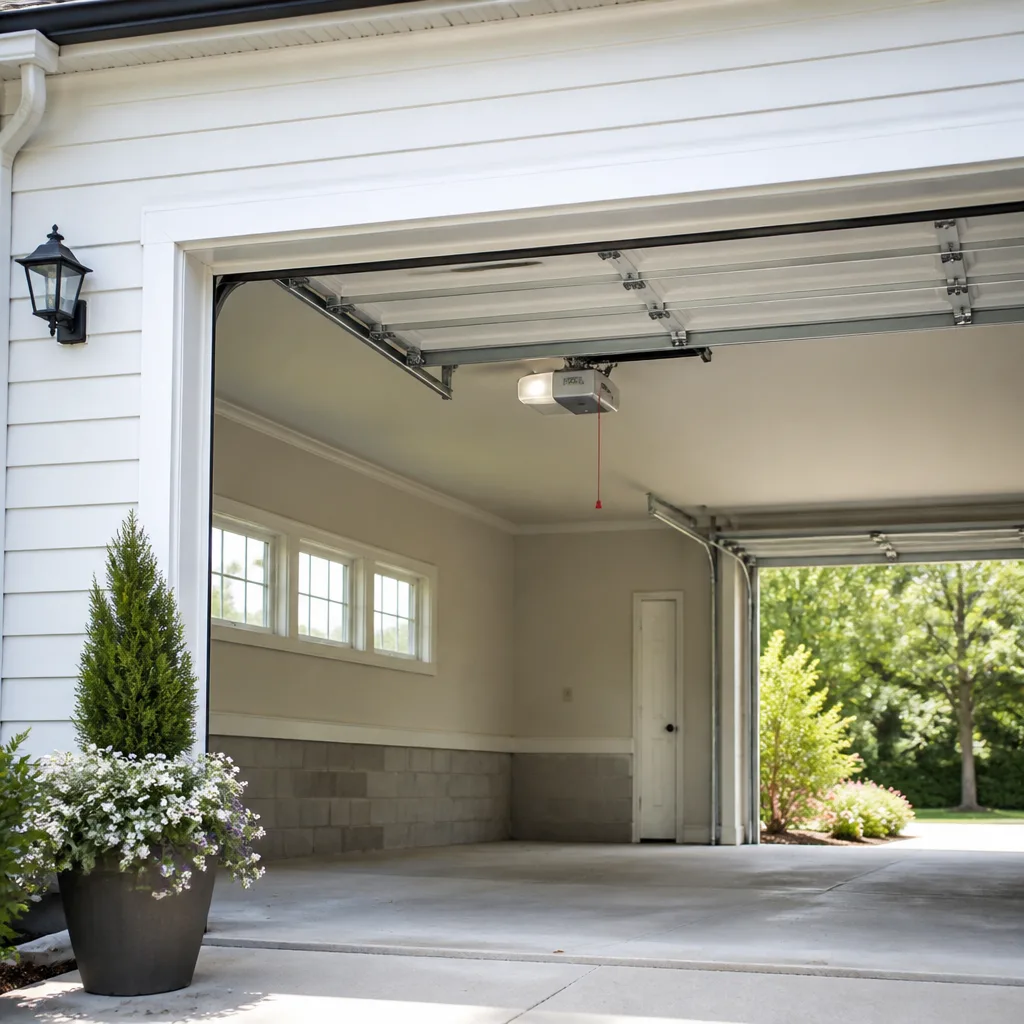 LiftMaster openers
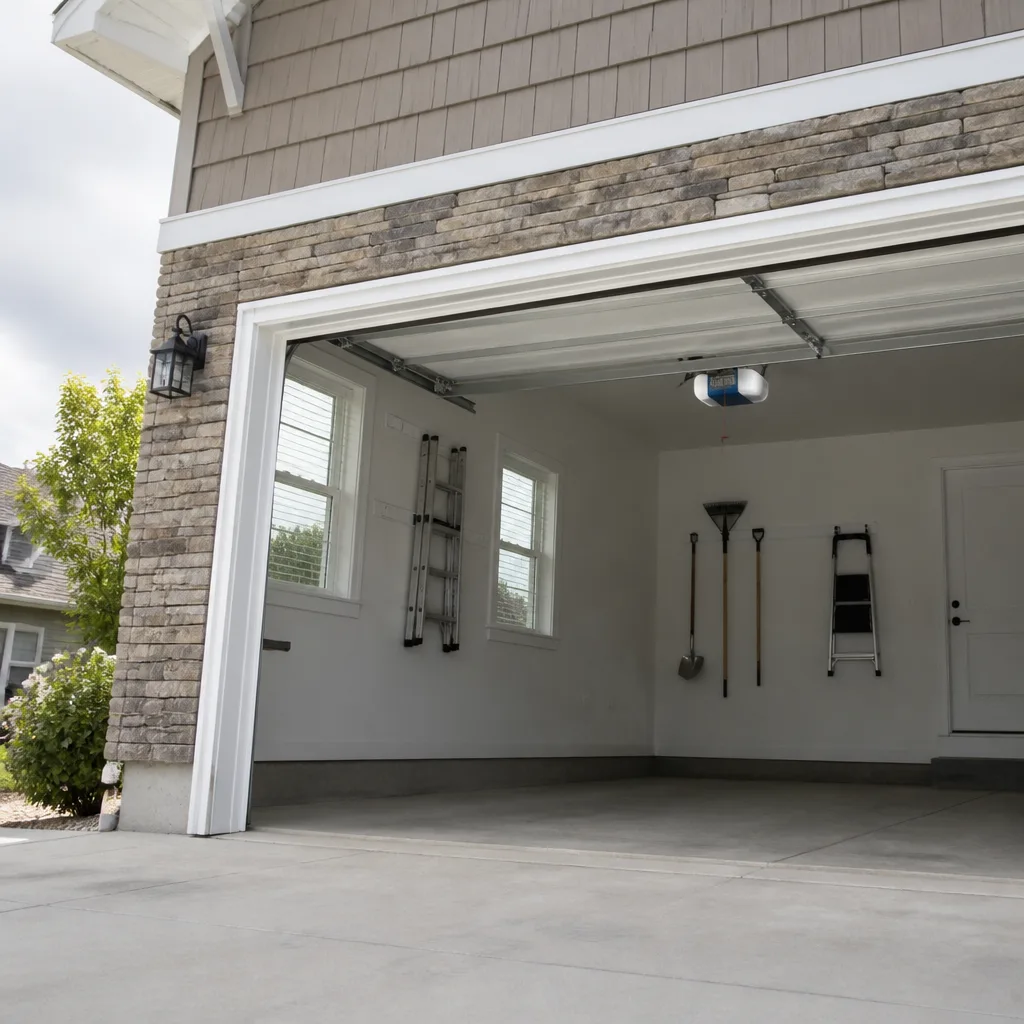 Chamberlain openers
Full 25-point door and opener safety check with every visit - springs, cables, rollers, tracks, and your LiftMaster or Chamberlain opener included
You get a price before we start. It does not change when the pro arrives.
Get your free estimateGarage Door Repair Troubleshooting in Winston-Salem: Common Problems and How to Fix Them
Most homeowners assume “the door won’t open” means one problem. It’s actually several very different problems wearing the same shirt. A snapped torsion spring, a trolley carriage that’s slipped off the opener rail, a bent vertical track, or simply a dead wall button all produce the same visible result – a door that doesn’t move – but each one calls for a completely different first step. Touch the wrong system thinking it’s the other and a cheap fix turns into an expensive one. This guide teaches you to diagnose by symptom in Winston-Salem, matching the sound and the behavior to the component at fault before anyone picks up a wrench.
Quick Answer
Garage door problems in Winston-Salem usually trace to one of four systems: springs, tracks, the opener, or the panels and hardware. The fastest way to narrow it down is the manual disconnect test – pull the red release cord with the door closed and try lifting it by hand. If the door is heavy or won’t hold position, you have a mechanical, spring-side problem. If it lifts easily but the motor won’t run it, the trouble sits with the opener. Springs and cables under tension are never a do-it-yourself job; call a trained technician for those.
Styles & brands we work with
- Raised-panel steel
- Carriage house
- Modern flush
- Full-view glass
- LiftMaster openers
- Chamberlain openers
Table of Contents
- How a Garage Door Fails: The Four Systems at Work
- The Manual Disconnect Test: Your First Diagnostic Step
- Symptom-to-System Mapping: What Each Sound and Behavior Means
- How Winston-Salem’s Humidity Swings Affect Your Door
- Springs and Cables: Why These Are Never DIY
- Opener Troubleshooting: Logic Boards, Limits, and Wall Buttons
- DIY-Safe Fixes vs. Technician-Only Jobs
- What to Document Before You Call for Service
- Common Mistakes to Avoid
- When to Call a Professional
- Frequently Asked Questions
How a Garage Door Fails: The Four Systems at Work
Every residential garage door is a balancing act between four systems that have to cooperate. When one drifts, the others compensate until they can’t. Understanding the four is the whole game.
- Springs and cables. These carry the door’s weight. A torsion spring (a coiled spring on the header above the door) or extension springs (running along the horizontal tracks) do most of the lifting so the opener only has to give a push. Cables run through the springs and anchor the bottom corners. This system is always under load.
- Tracks and hardware. The vertical and horizontal tracks guide the door, while hinges, rollers, and the bottom bracket hold it together. Bent track, worn rollers, or a loose hinge throws the door off its path.
- The opener. Motor, rail, trolley carriage, logic board, safety sensors, and wall button. The opener moves the door; it doesn’t lift it. If the springs are shot, the opener just strains.
- Panels and seals. The door itself, along with the bottom seal and any weatherstripping. Panels crack, seals tear, and wood composite absorbs moisture.
Diagnosis works by eliminating systems one at a time. If your door sounds like grinding metal, that’s tracks or rollers, not springs. If it pops once and goes slack, that’s the spring. If the motor hums but the door doesn’t move, the trolley has come loose. Every symptom narrows the field.
The reason this matters for Winston-Salem homeowners is simple: knowing which system is failing tells you what to expect on the service call, what to say to a technician, and whether the issue is even worth a trip. We cover all four systems on every door we work on, whether the label on the opener says LiftMaster, Chamberlain, Genie, or Raynor – the diagnosis follows the symptom, not the brand.
The Manual Disconnect Test: Your First Diagnostic Step
Before you guess at anything, isolate the opener from the door. This one test tells you which side of the system the problem lives on. It’s safe, takes about a minute, and requires no tools.
- Close the door fully and make sure nobody is under or near it.
- Find the red release cord that hangs from the trolley carriage on the opener rail (the track the opener runs along, not the door’s tracks).
- Pull the cord firmly toward the door. You’ll hear the carriage release from the arm attaching it to the door.
- Lift the door slowly by hand using the handle or the bottom edge. A properly balanced door should rise with light pressure and, when let go halfway up, stay where you left it.
- Note what happens:
- Door is very heavy, won’t stay up, or slams down: the spring system has failed or lost tension.
- Door lifts easily but drags, scrapes, or binds: a track, roller, or hinge problem.
- Door lifts easily and feels smooth: the door hardware is fine, so the trouble is with the opener.
- Re-engage the carriage by pulling the cord again (or running the opener) so it reconnects to the arm – only after the door is back in the fully closed position.
If the door lifts easily by hand but the opener won’t move it, you’ve isolated the fault to the motor, logic board, safety sensors, or wall button. That’s an opener diagnosis, and it’s often quicker and cheaper than a full door service. If the door fights you or feels dangerously heavy, stop there. Don’t force it. Springs under tension are trained-professional territory.
One more note. If pulling the cord doesn’t release the carriage cleanly, or the carriage is jammed mid-rail, don’t keep yanking. Stop and describe what you see when you call. On a repair call, this test is the first thing a technician runs, and it’s the reason we can usually tell whether a job is a 30-minute repair or a longer one before we knock on the door.
Symptom-to-System Mapping: What Each Sound and Behavior Means
This is the section that saves the most homeowners the most time. Match what you see and hear to the component at fault, then act accordingly.
Sounds
- Loud metallic pop, then the door stops working. Almost always a broken torsion spring. The door will feel very heavy when disconnected. Do not attempt to open it.
- Grinding or scraping as the door moves. Worn rollers, dry hinges, or the door rubbing against a bent track. Check the tracks for dents and the rollers for flat spots.
- Repeated clicking from the opener unit itself, with no door movement. Logic board, capacitor, or relay failure. The motor is trying to start but can’t.
- Rattling on every cycle. Loose hinge bolts, loose track brackets, or a worn carriage. Often a simple tightening job.
- Buzzing from the motor but nothing moves. The opener is running but the carriage has stripped or come loose from the arm.
Behaviors
- Opens about 6 inches then reverses. Usually a travel limit setting that’s out of adjustment, or a safety sensor thinking the door is blocked.
- Opens but won’t close. Check the two safety sensors at the bottom of the vertical tracks first. If one is misaligned, dirty, or has a loose wire, the opener refuses to close as a safety default.
- Opens partway and stops, with lights flashing on the opener. Often a binding door – the opener is detecting too much resistance and stopping to avoid damage.
- Runs fine from the wall button but not the remote. Remote, battery, or receiver on the opener logic board.
- Wall button dead, remotes dead, no click. Power, a tripped breaker, or a dead logic board.
- Door moves unevenly, one side higher than the other. A stretched or broken cable on one side, or a problem with one spring on an extension-spring door. Stop using it.
If you live in a Winston-Salem neighborhood like Ardmore or West Salem and your door is a bit older, the symptoms can stack. A worn roller here, a tired spring there, and suddenly the whole system feels wrong. That’s why we work through the symptoms in order rather than guessing at a replacement. A single failed component rarely tells the whole story.
How Winston-Salem’s Humidity Swings Affect Your Door
Winston-Salem sits in the Piedmont, and the weather swings here are more extreme than most homeowners realize. Hot, humid summers give way to cold, dry winters, and the humidity in the air moves more than the temperature. That affects garage doors in ways you won’t see written up for drier climates.
- Wood composite panels swell and contract. Over a humid summer, composite and wood-panel doors absorb moisture. Panels swell slightly, panels can bow, and paint or stain can crack along the seams. In winter they shrink again, and the cracks get wider. That seasonal movement drives most of the “why is my door suddenly dragging” calls we get around Winston-Salem in late summer and early winter.
- Metal tracks expand and contract. Steel and aluminum tracks don’t swell much, but over years small amounts of rust form on the inside of the track where humidity collects. That rust roughens the surface the rollers roll on. Doors start to feel tight, and a roller can bind and stop the door partway.
- Wooden door frames and jambs swell. A swollen jamb can pinch the door as it travels, producing binding symptoms that look like an opener problem but aren’t.
- Seals harden in cold snaps. The bottom seal softens in summer and shrinks and hardens in winter, which is why you’ll notice a draft and a gap along the bottom of the door in January that you didn’t have in July.
- Lubricant dries out. Rollers, hinges, and the opener rail should be lubricated once or twice a year here. Skipping it is a big cause of grinding and door drag.
None of this means you need a new door. Most of it means maintenance and the occasional adjustment. When the door does fail, though, the humidity history matters – a technician who knows the local climate knows to check the rollers and the bottom seal along with whatever the homeowner called about. Whether your door is a Clopay, Amarr, or Wayne Dalton, the seasonal behavior follows the same rules. It’s the materials that change, not the physics.
Springs and Cables: Why These Are Never DIY
If there’s one section to read twice, it’s this one. A torsion spring holds hundreds of pounds of energy even when it looks dead. Attempting to work on it without training and the right tools can cause serious injury. Cables under tension can whip across a garage with frightening force. There are reasons every experienced technician treats spring work with respect, and we won’t walk you through doing it yourself.
What you should know, safely:
- How to spot a broken spring. Look at the spring above the door or along the horizontal tracks. A broken torsion spring often has a visible gap in the coil. A broken extension spring may have a hook hanging loose. Don’t touch anything – just look.
- What symptoms point to spring problems. The door is extremely heavy when disconnected, won’t stay halfway up, slams down, or the opener strains and stops. Any of these means the spring system has lost tension.
- What to do right now. Stop using the opener. Leave the door closed if you can. Don’t try to open or close it by hand, and don’t disconnect the door and try to lift it “just to see.”
- What the fix involves. A technician releases the remaining tension with proper winding bars, installs the new spring (or matched pair), re-tensions to the correct weight for the door, and tests the balance. This is not a repair you can shortcut.
Springs are priced per spring, not per job. If both springs on a matched pair fail, most doors get both replaced together because they wear at the same rate. Replacing one and leaving the other means a second service call later. We mention that here because homeowners often assume the price quoted is for the whole job – it’s for one spring, so a matched pair is twice the per-spring figure. Your technician will explain what your door needs before any work begins, and the written estimate is the price you get.
Cables follow the same rule. A single frayed cable is a warning, not a nuisance. A snapped cable on one side means the door is being held by the springs and one cable, which is a dangerous situation. If you live anywhere in Winston-Salem and see a frayed cable, stop operating the door and get it looked at. It’s a small repair now and a bigger one if it snaps.
Opener Troubleshooting: Logic Boards, Limits, and Wall Buttons
If your garage door opener repair question comes down to “the door lifts fine by hand but the motor won’t run it,” you’re in opener territory. The opener is the most failure-prone piece of the whole system because it’s the only part with electronics, a motor, and moving mechanical components packed into one housing.
Here’s the diagnostic order we follow:
- Power. Check the outlet the opener is plugged into. Check the breaker. If your opener has no lights and no sound, this is where to start.
- The wall button. A faulty wall button will lock out everything else. If the wall button won’t work but the remote does, or vice versa, one path is dead and the other is fine.
- The safety sensors. Two small sensors at the bottom of the tracks, one on each side, with a light on each. If one is misaligned, dirty, or has a loose wire, the opener won’t close the door. This is the single most common “won’t close” cause, and it usually takes about 30 seconds to check.
- Travel limits. These set how far the door travels up and down. If the door opens partway and reverses, or won’t close completely, the limit setting has drifted. On most LiftMaster, Chamberlain, and Genie units, the limit adjustments are on the back or side of the motor housing.
- The logic board. Clicking from the housing with no movement, repeated flashing light codes with no clear cause, or a dead unit after a power surge all point to the logic board.
- The trolley and rail. If the opener runs but the door doesn’t move, the trolley has come loose or the carriage has stripped. This is the point where the manual disconnect test tells you what’s wrong.
Opener brands matter more here than anywhere else. A Genie unit with a chain drive and a LiftMaster with a belt drive behave differently when diagnosing travel limits, and logic board behavior differs by model generation too. We work on LiftMaster and Chamberlain units regularly, which means we usually know the model’s quirks before we arrive.
Resetting the limits is one of the few opener jobs most homeowners can do themselves, and the manual will walk you through it. Anything involving the logic board, motor, or capacitor is a technician job. If you’ve tried a reset and the problem persists, that’s a sign the fix is deeper than settings.
DIY-Safe Fixes vs. Technician-Only Jobs
Draw the line clearly. Some of what goes wrong is a 10-minute fix you can do without a callout. Some of it is dangerous, and no amount of YouTube will change that. Here’s the split.
DIY-safe
- Lubricate the rollers, hinges, and opener rail. A proper lubricant on the moving parts once or twice a year goes a long way toward preventing grinding and door drag.
- Tighten loose hinge bolts and track brackets. A socket wrench and 15 minutes will quiet most rattles.
- Clear and realign safety sensors. Wipe them off, make sure they point at each other, and check the alignment lights.
- Reset the opener travel limits. Follow the model’s manual. Safe to do if you’re careful about not adjusting the door past its stops.
- Replace the remote battery. The one thing that most often fixes “remote doesn’t work.”
- Clear the tracks of debris. Leaves, grit, or a stray object in the track will cause binding.
Technician-only
- Anything involving torsion springs or extension springs. Non-negotiable. These are under extreme tension.
- Cable replacement or tensioning. Same reason as the springs.
- Straightening bent or damaged track. Track alignment drives door safety, and a bent track can crash the door or damage the panels.
- Panel replacement. The panels have to be matched to the door and aligned properly.
- Logic board, motor, or capacitor repair. The risk of electrical shock is real, and the wrong part can damage the unit further.
- Roller replacement on a door that’s currently under tension. If the door isn’t balanced, replacing the rollers can drop the door.
One rule beats all the others. If the job requires getting under the door and disconnecting it from a spring that’s still wound up – stop. That’s a technician job. Anything on the ground level with the door closed and the tension released is fair game for a careful homeowner. We mention this because the difference between a $80 fix and a $400 mistake is usually whether someone knew which system to leave alone. Our technicians have up to 9 years of experience, and it’s the accumulated judgment about which jobs are safe and which aren’t that’s most valuable on a service call.
What to Document Before You Call for Service
Here’s how to save yourself a lot of time: come to the call with the right information. A technician who knows what to expect can arrive with the right parts on hand, which usually turns a two-trip job into a one-trip job.
- Photos of the door and opener. One shot of the door from outside, one of the wood panels inside, one of the opener motor, one of the tracks, and one of the springs (standing a safe distance).
- The door brand. Often printed on a sticker on the inside of the door or along the bottom edge.
- The opener brand and model number. The model number is usually printed on a sticker on the back of the motor housing or inside the light lens cover.
- A recorded video of the problem. A short clip of the door doing the thing it’s doing – opening 6 inches and stopping, reversing, grinding – tells a technician more than any description.
- Whether the manual disconnect test worked. Was the door heavy, easy, or somewhere in between?
- Whether the wall button and remote both fail or only one. This separates the opener from the door hardware.
- What you’ve already tried. The limit reset, the sensor alignment, the power cycle. It saves a repeat step.
- Whether the door is holding the car in or the house back. If the garage is your way in, priority changes.
If you can’t find the model number, that’s fine – the brand on the door is usually enough to get you started. When homeowners in Winston-Salem send us a photo of the opener and the door, we can often narrow the diagnosis before a call is even scheduled.
What you don’t need to do is drain the garage door of every possible clue. We’ll ask the questions that matter when you call. The photos are the piece that most homeowners never think to grab, and they’re the piece that most often saves a second trip.
Common Mistakes to Avoid
- Trying to lift a door with a broken spring by hand or with the opener. If the spring is broken, both the opener and any manual lifting can cause the door to slam down. Stop using the door.
- Replacing the opener when the door is the problem. If the manual disconnect test shows the door is heavy, a new opener will just strain and fail too. Fix the springs first.
- Assuming one spring replacement is enough. Matched pairs wear at the same rate. Replacing one spring and leaving the other is a bet that the second one will hold, and it’s usually a losing bet. Springs are priced per spring, so a pair is two of the per-spring price – plan for that.
- Ignoring a frayed cable. A frayed cable in Winston-Salem’s seasonal humidity swings becomes a snapped cable faster than homeowners expect. The loosening happens slowly, then suddenly.
- Skipping lubrication because the door “looks fine.” The grinding sound you don’t hear yet is the one already happening. Lubricate rollers, hinges, and the opener rail twice a year.
- Adjusting travel limits without a full test. Change one setting, then test the door full cycle from both the wall button and the remote. A limit set too far drives the door into the stops and bends the track.
- Calling with no photos and no model number, then wondering why the technician needs a second trip. Document first. It saves time, fuel, and often money.
When to Call a Professional
Call a technician when the manual disconnect test shows the door is heavy, when you see a visible gap in the torsion spring, when a cable is frayed, when the door has jumped off the track, or when the opener clicks or flashes without moving after a limit reset. Call sooner if the door is blocking your car or leaving your home open. For anything involving springs, cables, or the logic board, call. For a rattling hinge or a remote battery, don’t bother – that’s a Saturday afternoon task. And for anything else, Crescent Garage Door Repair offers free estimates in Winston-Salem – call (877) 692-2814. We answer 24/7. Fast dispatch from 7am to 7pm, Sunday through Friday.
Our technicians have up to 9 years of experience across all four systems – springs, tracks, openers, and panels – so a single appointment usually covers whatever the diagnosis turns up. Garage door repair is what we do, and a trained technician can usually tell from a short conversation which system is failing before the truck is even scheduled.
Frequently Asked Questions
Typical garage door repairs in Winston-Salem range from around $95 to $350 for most common jobs, with spring and cable work running higher than opener adjustments or roller replacement. Springs are priced per spring, so a matched pair usually runs about twice a single-spring figure. The written estimate sets the final price, and we quote and agree the price before any work starts. Call (877) 692-2814 for an exact quote – estimates are free.
Yes, same-day service is often possible for repair and opener calls in Winston-Salem. Call us and we’ll book the earliest opening. We answer 24/7, and dispatch runs from 7am to 7pm, Sunday through Friday. Call (877) 692-2814 to check availability for your address.
No. The written estimate is the price you get, and it’s quoted and agreed before any work starts. If the diagnosis turns up something the initial conversation missed – say, a secondary spring issue – we’ll explain it, quote it, and get your approval before it’s added. You won’t get a surprise invoice. Call (877) 692-2814 for an exact quote.
Yes, our technicians are state-licensed and insured & bonded. We work on all four door systems – springs, tracks, openers, and panels – so you don’t need to coordinate a second company for a single project. Call (877) 692-2814 with any question about the team before you book.
Most often, a travel limit setting that’s out of adjustment or a safety sensor that thinks the door is blocked. Start by checking the two sensors at the bottom of the vertical tracks – clean them, make sure they’re aligned, and check for loose wires. If that doesn’t fix it, the limit setting needs adjustment. Reset it per the opener manual, and if the problem comes back, call a technician. Call (877) 692-2814 for a free estimate if you’d rather have it looked at.
Yes. We work on the brand you already have. We’re factory-familiar with eight of the most widely installed door and opener brands in North America – LiftMaster, Chamberlain, Genie, Clopay, Amarr, Wayne Dalton, Craftsman, and Raynor – so the diagnosis follows the symptom, not the label. If you’re in Winston-Salem and your door is one of these brands, call (877) 692-2814 for a free estimate.
The Bottom Line
Most Winston-Salem garage door problems trace to one of four systems, and the manual disconnect test tells you which one in about 60 seconds. Heavy door with the opener isolated? Springs or cables, and that’s a technician call. Door moves easily but the motor won’t? Opener side – check sensors, limits, and the wall button first. The one hard rule is that springs and cables under tension are never a do-it-yourself job. Capture a few photos, find the model number on the opener, and know that the written estimate sets the price before any work starts. If you’re not sure which system is failing, that’s fine. One call is enough to find out.
If your door isn’t behaving the way it should, we’re ready to help. Browse our Winston-Salem service area to see what we cover, or call (877) 692-2814 for a free estimate. We answer 24/7. Fast dispatch from 7am to 7pm, Sunday through Friday.
Written by the team at Crescent Garage Door Repair.
See the difference
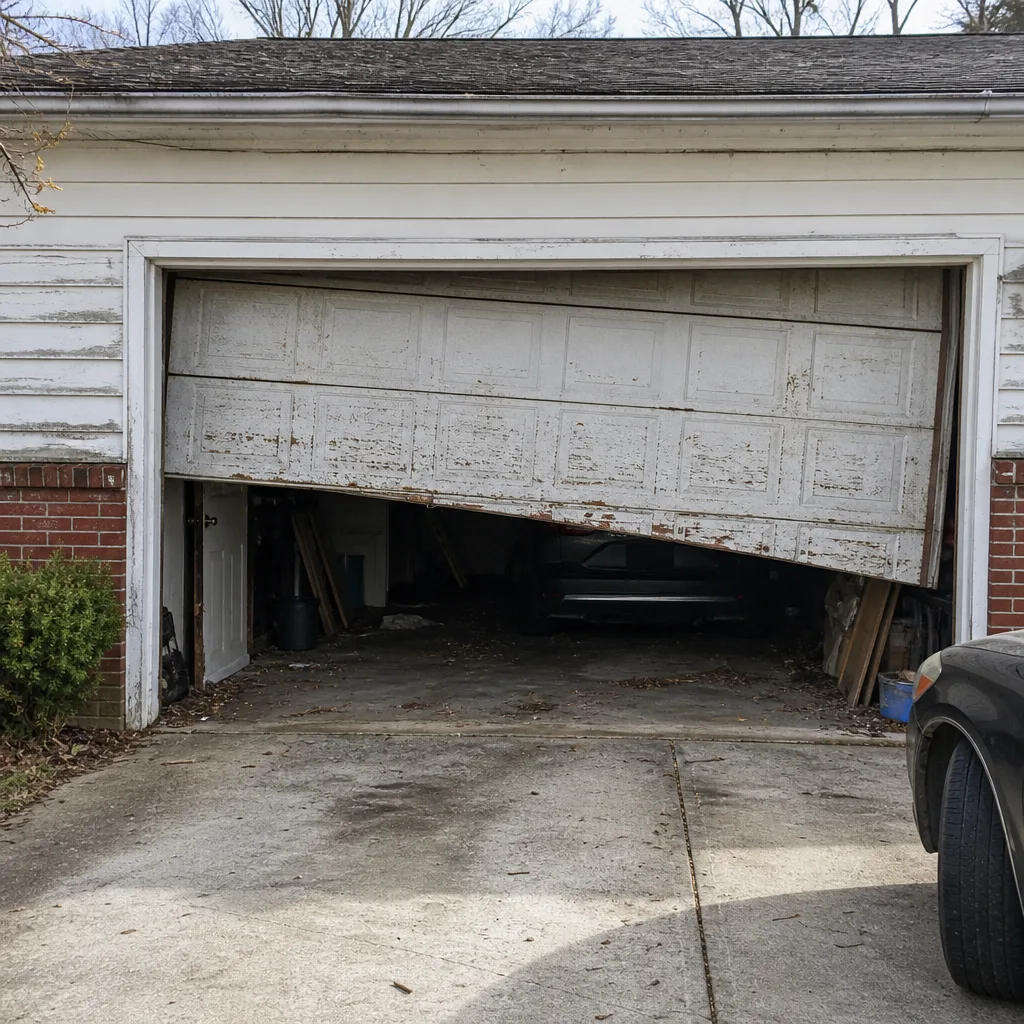 Before
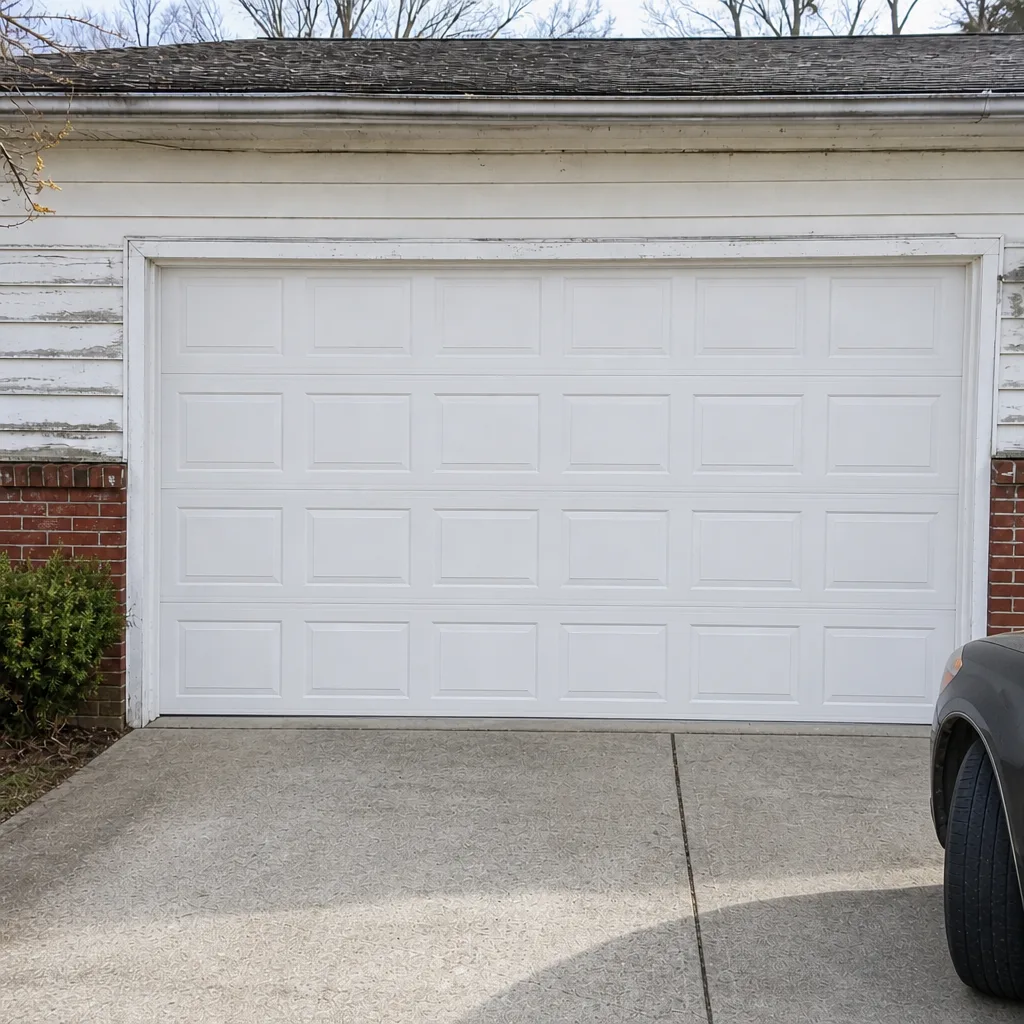 After
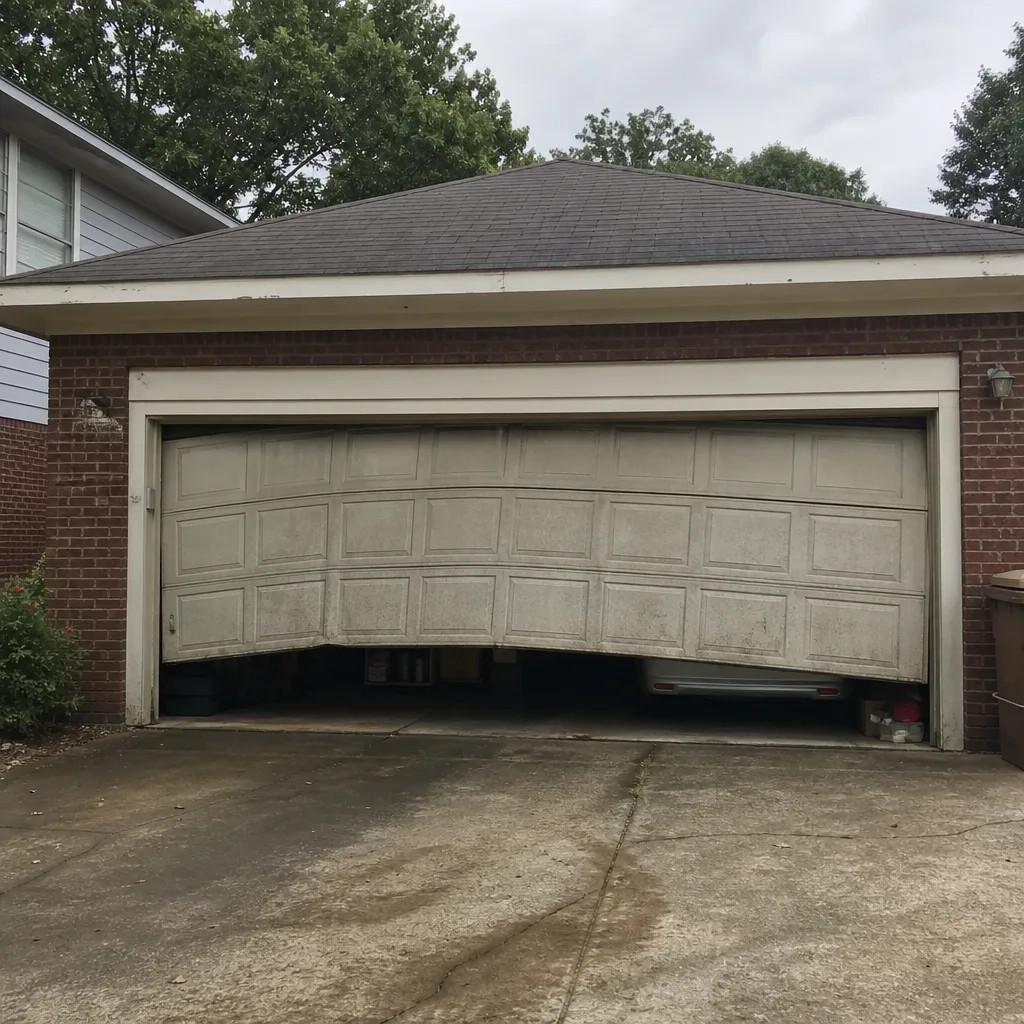 Before
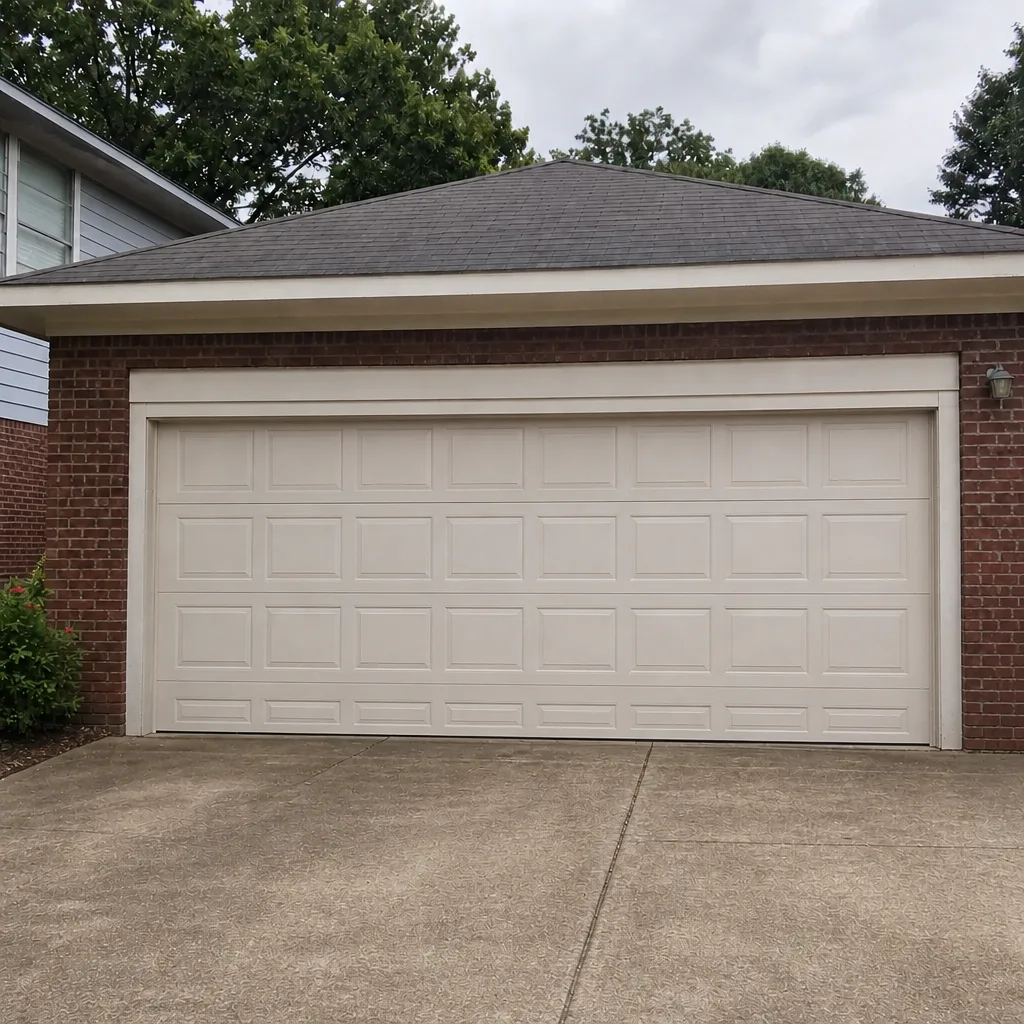 After
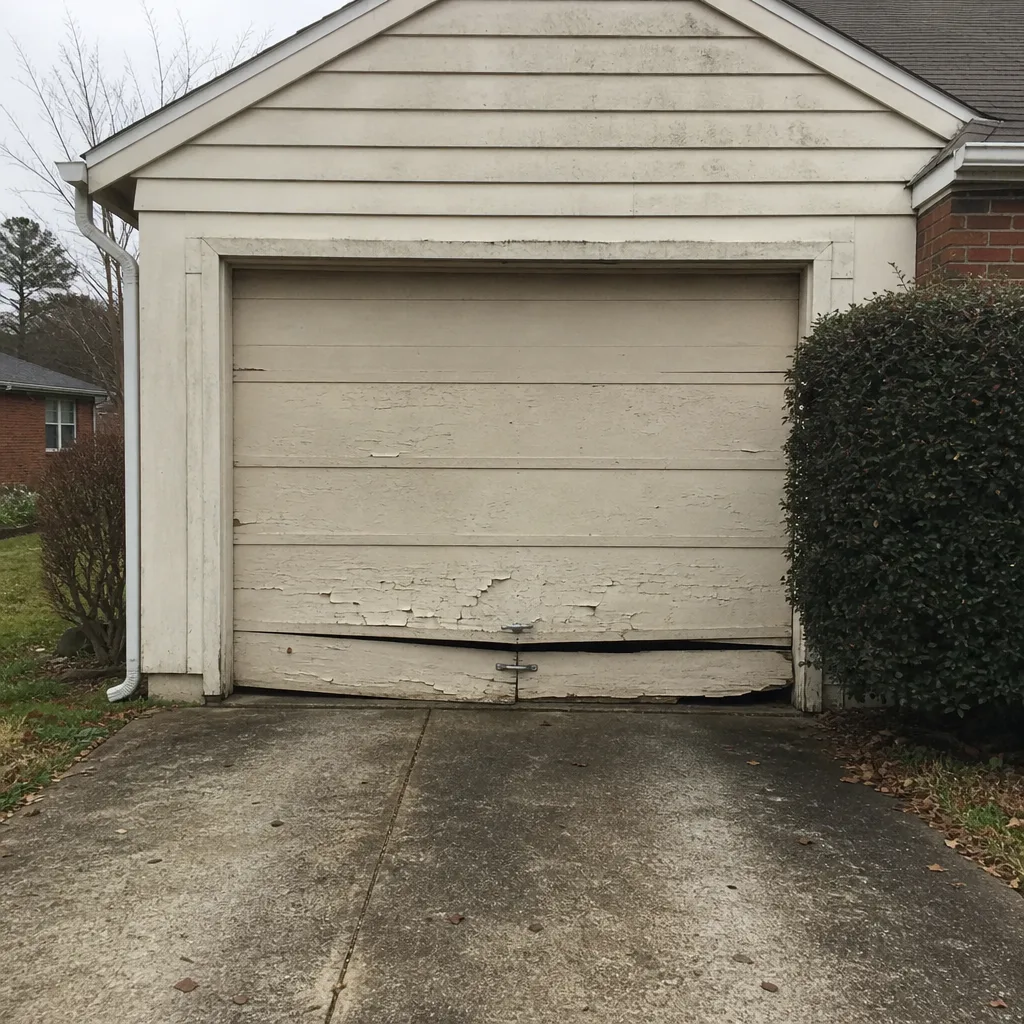 Before
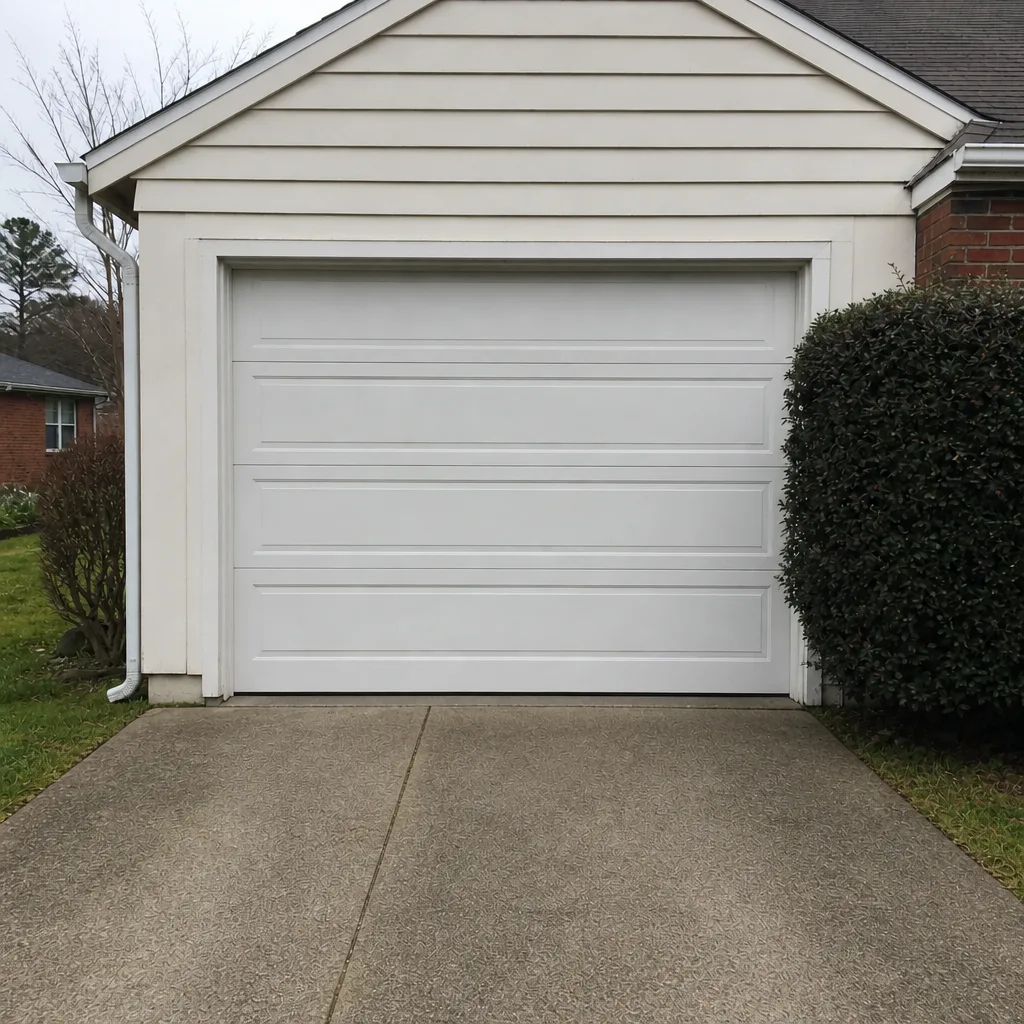 After