
Last updated November 16, 2026
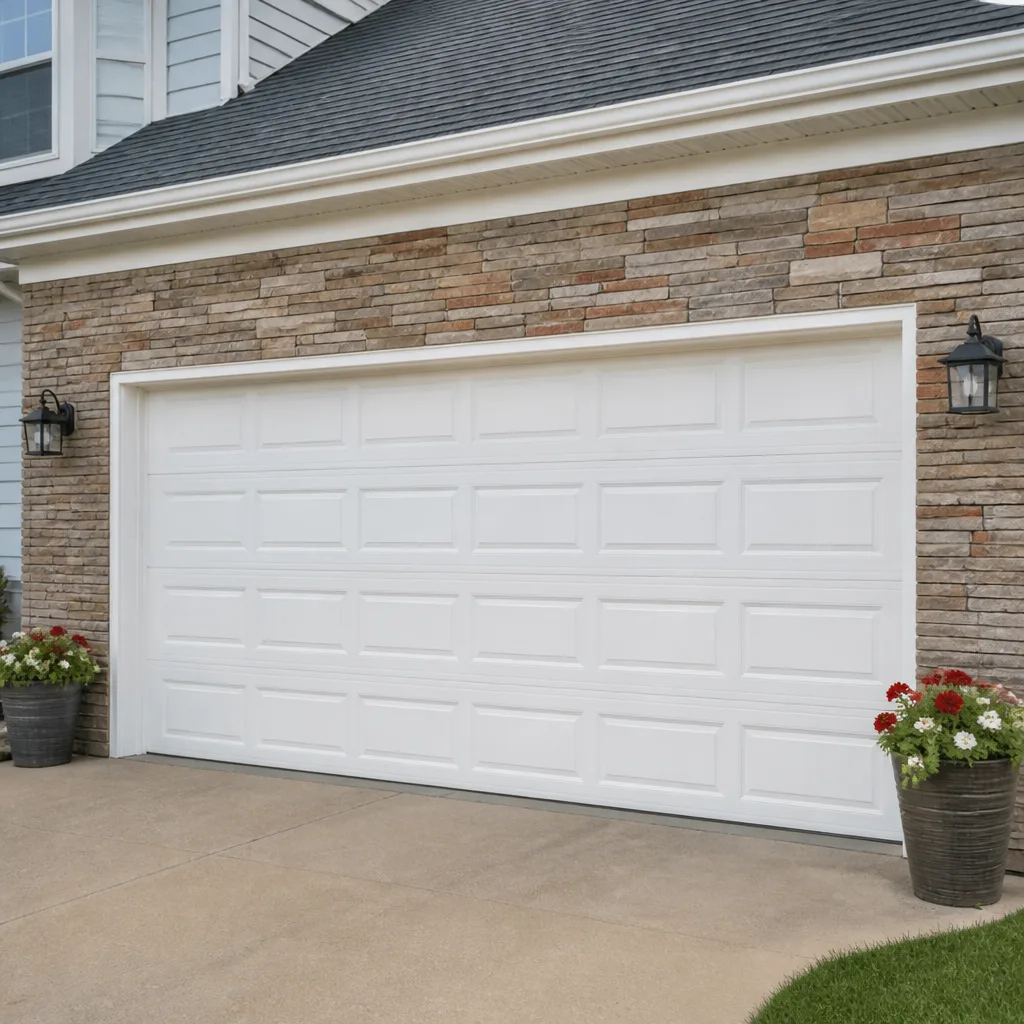 Raised-panel steel
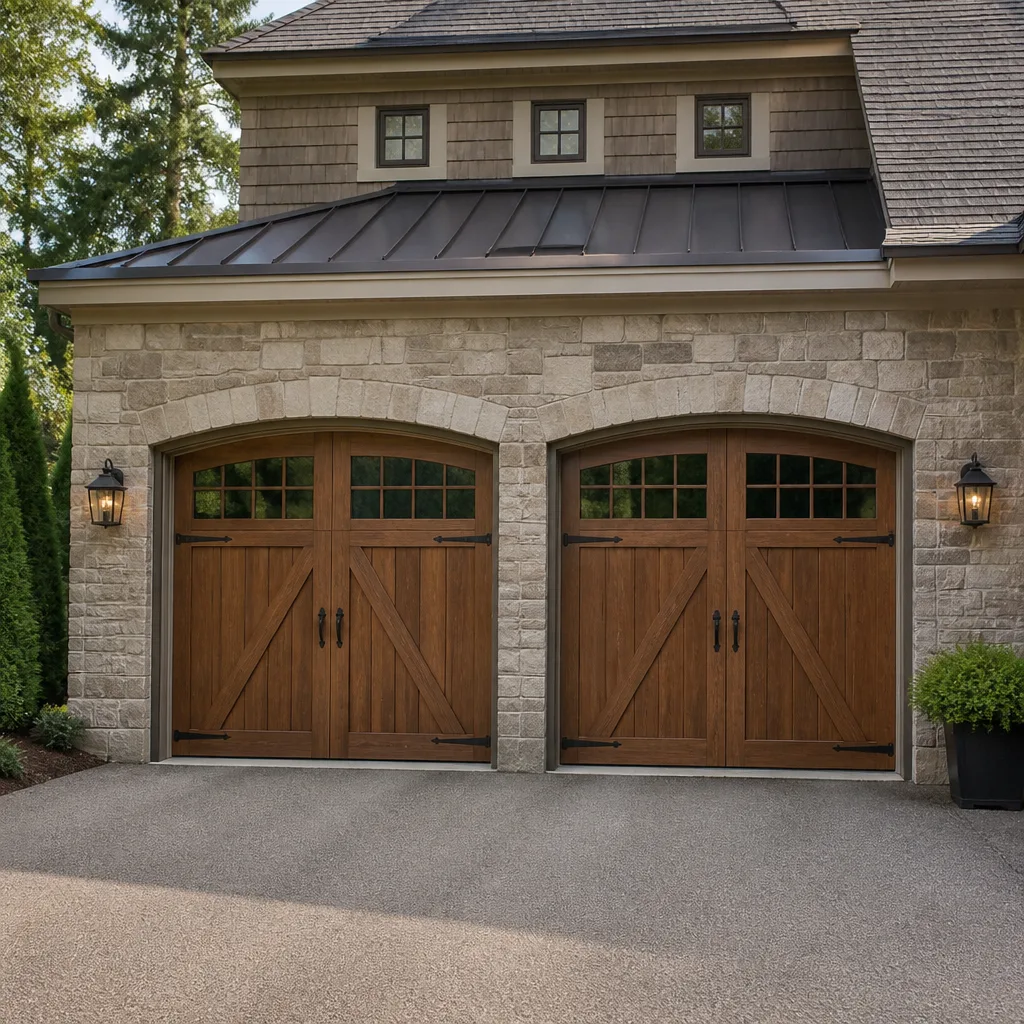 Carriage house
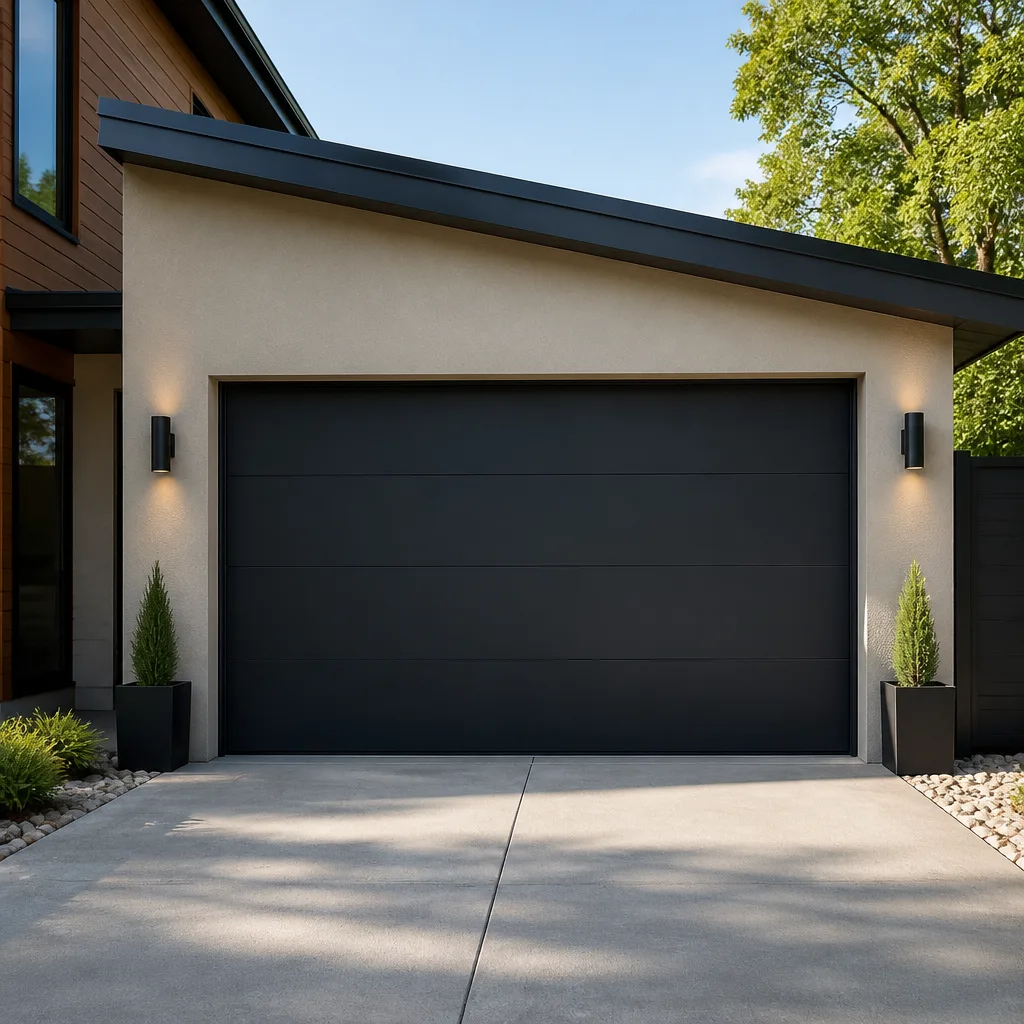 Modern flush
 Full-view glass
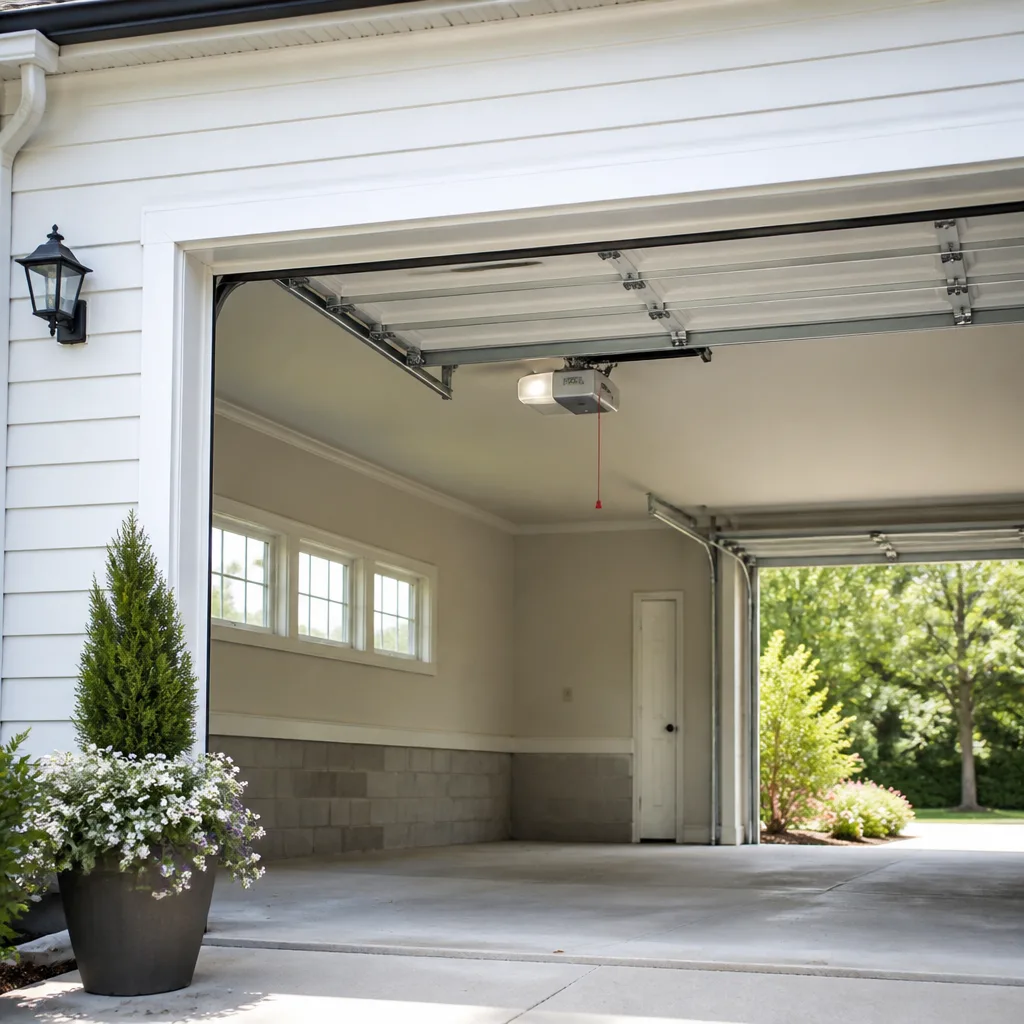 LiftMaster openers
 Chamberlain openers
Full 25-point door and opener safety check with every visit - springs, cables, rollers, tracks, and your LiftMaster or Chamberlain opener included
You get a price before we start. It does not change when the pro arrives.
Get your free estimateGarage Door Repair Maintenance Schedule: What to Do and When
The most expensive garage door repair most homeowners ever face – a broken torsion spring – is almost always preceded by three warning signs that a ten-minute annual inspection would have caught. Most people never look. The door goes up, the door goes down, and the springs, rollers, and opener motor quietly wear out in a fixed order nobody told them about. In this guide we’ll walk through a maintenance schedule built around how the parts actually age, not a generic monthly checklist that treats every component the same. You’ll get the real service intervals, the three lubricants worth using, the seasonal jobs that fit Winston-Salem’s humidity, and the balance test that tells you a spring is failing before it snaps.
Quick Answer
Run a garage door maintenance schedule on three tracks at once: a quick monthly visual and balance check, a deeper seasonal task list twice a year (spring and fall), and a professional service visit every 12 months or so. Springs are rated near 10,000 cycles, nylon rollers last longer than steel, and opener belts and motors have their own intervals – so the schedule is based on cycles and wear rates, not just the calendar. Lubricate moving metal twice a year, test the balance and safety reverse monthly, and inspect seals and wooden joints when the season changes.
Styles & brands we work with
- Raised-panel steel
- Carriage house
- Modern flush
- Full-view glass
- LiftMaster openers
- Chamberlain openers
Table of Contents
- Why Your Schedule Should Follow Components, Not the Calendar
- The Monthly 10-Minute Check
- The Only Three Lubricants That Belong on a Garage Door
- How to Run a Balance Test (and Read the Drift)
- The Winston-Salem Seasonal Split
- Opener Drive Maintenance and the Warranty Clock
- The Annual Professional Visit
- Common Mistakes to Avoid
Why Your Schedule Should Follow Components, Not the Calendar
A garage door is really several systems bolted together, and each one wears at a different rate. A generic maintenance calendar treats them all the same: “check the door once a quarter, done.” That approach misses the parts that actually fail first. If you build your schedule around component lifespan instead, you service each part close to when it needs it, and you stop replacing things that are still fine.
Here’s how the main pieces break down. Springs are the wearable item with the clearest count: a standard torsion spring is rated at roughly 10,000 cycles, and one cycle is one full open and one full close. On a door that opens and closes four times a day, that’s about 6.8 years of life – sooner if your household is busier. Springs also weaken gradually before they fail, which is why a spring about to go often leaves the door feeling heavy and sluggish first.
Rollers are next. Nylon rollers wear more slowly and more quietly than steel rollers, and steel rollers that have lost their bearings start to scrape and leave a dark powder on the track. Sealed bearings last longer than open ones. A worn roller is a maintenance signal, not an emergency – but a roller that’s flat-spotted puts extra strain on everything else.
The opener sits on a third track. A belt drive and a chain drive age differently. Belts stretch and eventually fray; chains stretch too, but they also demand proper tension. Opener motors have motor hours of their own, and the drive gear inside many units is a known wear point.
When you line all of this up, the logic gets clear. Springs need a professional eye long before 10,000 cycles so weakening is caught early. Rollers need a visual check monthly and lubrication twice a year. Openers need a lube and balance check tied to their documented service intervals. In Winston-Salem, where summers are humid and winters swing between mild and cold, seals and wooden joints need their own seasonal attention. A schedule that respects these differences protects the whole door and keeps a small fix from becoming a big one.
The Monthly 10-Minute Check
This is the fast once-a-month pass. It takes about ten minutes, needs no tools beyond your eyes and ears, and catches most problems while they’re still cheap. Set a reminder on the first of the month and treat it like checking the smoke detectors.
- Listen before you look. Open and close the door once and stand still. You want a steady, even hum. Any grinding, squealing, popping, or a bang at the end of travel is your first clue.
- Watch the door travel. It should move smoothly and stay level. A door that hesitates, jerks, or tilts to one side has a balance or track problem.
- Test the balance. Close the door, pull the release cord to disconnect the opener, and lift the door to about waist height. It should stay put. The full test is below – this is the quick version.
- Test the safety reverse. Place a roll of paper towels or a piece of wood in the door’s path and close it. The door should reverse on contact. Then test the photo-eye sensors: with the door open, wave your hand through the beam and confirm the door reverses. If either test fails, stop using the opener and get it looked at.
- Look at the rollers and hinges. Check for flat spots, cracks, or dark powder on the track from steel rollers. Wiggle each roller – it shouldn’t rattle.
- Check the tracks. Look for dents, rust spots, or debris. Run a cloth along the inside channel; you’re not greasing the track, just keeping it clean.
- Inspect the bottom seal and side weatherstripping. In Winston-Salem this matters more than in a dry climate – humidity works on the seal and every wooden joint. Look for cracking, gaps, or a seal pulling away at the corners.
- Look at the springs and cables. Do not touch or adjust them. Just look for a visible gap in a spring or a cable that looks slack or frayed, and call a professional if you see either.
That’s the monthly pass. Anything you flag here, you can fold into the seasonal work or call about before it grows.
The Only Three Lubricants That Belong on a Garage Door
Most garage door damage we hear about comes from the wrong product, not the wrong technique. Two things people commonly spray on doors are actively harmful. The three that belong, and where each one goes, are below.
- White lithium grease. Best on metal-to-metal contact points: the torsion spring coils, the bearing plates at each end, and the hinges where the panels articulate. It’s a clean, light film that clings without collecting grit.
- Silicone spray. The right choice for anything rubber or plastic: the bottom seal, the side weatherstripping, and the rollers themselves if they’re not sealed. Silicone keeps rubber pliable and prevents the seal from sticking to the slab.
- A dedicated garage door or chain lube (or a light machine oil). This is for the opener’s chain, the drive rail, and the chain’s pivot points. A belt drive doesn’t need oiling the same way, but the chain does, and sparingly.
Now the two things to keep away from the door. First, standard WD-40 in its original formula is a water displacer and light solvent, not a lubricant – it strips the existing grease, dries metal, and leaves it more vulnerable. Don’t spray it on hinges, springs, or the opener chain and call it maintenance. Second, heavy motor oil or general-purpose household oil on rollers is too thick; it attracts dirt and dust that gum up the bearings and track. Silicone on rollers, lithium on metal, chain lube on the chain. That’s the set.
How often: apply lubricant twice a year, ideally in spring and fall, and re-apply on any hinge that starts squeaking in between. For more on the moving parts themselves, see our guide to garage door repair.
How to Run a Balance Test (and Read the Drift)
The balance test is the single most useful diagnostic a homeowner can perform, because it tells you the springs are either doing their job or quietly failing. It takes two minutes and needs no tools.
- Close the door fully. Make sure no one is in the path.
- Pull the release cord to disconnect the door from the opener. This is the cord that hangs from the opener rail, usually red.
- Lift the door to about halfway – waist to chest height – and hold it steady.
- Let go and watch what happens. A properly balanced door stays where you left it. It might drift a hair, but it should hold.
- Reconnect the opener by pulling the release cord back until it clicks, then cycle the door once to confirm it re-engages.
Now the part most articles skip: reading the drift. A door that sags a few inches below where you released it means the springs are weakening – the springs are supposed to hold the door’s weight, and if they’ve lost tension, gravity wins. A door that rises above where you released it means the springs are too strong. A door that falls quickly or all the way down is a real concern and you should stop using it.
What counts as “a few inches”? Treat a drift of a few inches as a signal that the springs are losing tension and due for a professional inspection. A door that drops sharply or that you have to fight to lift is not safe to cycle – a weakening spring is the last stage before a break, and a spring under load carries real danger. Never adjust the springs yourself. They’re under high tension and can release with serious force; this is a job for a trained technician. If your balance result is poor, that’s the moment to call.
The balance test also tells you about the opener. If the door is hard to lift by hand, the opener has been fighting it every cycle – which shortens the opener’s life no matter the brand.
The Winston-Salem Seasonal Split
In our part of North Carolina, the climate gives the door two specific stress windows, and the schedule should reflect them. Winston-Salem summers bring humidity, and humidity finds every wooden joint and rubber seal. Winters here are mild but cold snaps still happen, and a winter cold snap is when a weatherstripping failure becomes an air leak, a draft, and a door that’s harder to close.
Spring and early summer: the humidity check
- Bottom seal: run a hand along it. It should feel supple, not stiff or cracked. A stiff seal lets in moisture, and on a slab foundation that moisture wicks into the panel edges.
- Wooden panel joints: on a wood door, look at each joint between panels. Swelling, dark spots, or peeling paint at a joint means moisture is sitting there. A Clopay steel or Amarr door has its own finish to check – look for bubbling or rust at the bottom edge, which is where water collects.
- Weatherstripping: check the side and top seals for gaps that let in both heat and insects.
- Track and hardware: a humidity gun check – look for rust spots on the hinges, bearing plates, and track. A quick clean and a light coat of white lithium on the hinges helps.
Fall: the cold-snap prep
- Full weatherstripping inspection before the first real cold. Check the bottom seal all the way across, and the side seals corner to corner. Replace anything cracked or flattened.
- Wooden door re-seal if the finish is failing – fall is the time to paint or seal, before winter moisture gets in.
- Re-lubricate the springs, hinges, and opener chain for the colder season.
- Check for drafts from inside with the door closed – a cold spot or a visible gap tells you the seal needs attention.
The Winston-Salem seasonal split is really about moisture in summer and air leaks in winter. Two passes a year, tied to those two seasons, catch what the monthly check can’t. Wherever you sit on the Winston-Salem map, the same rhythm applies.
Opener Drive Maintenance and the Warranty Clock
The opener is the part of the system that fails most often in our experience, and it’s also the part with a warranty that can quietly lapse on homeowners who never touch it. Many LiftMaster and Chamberlain openers – as well as Genie, Wayne Dalton, and Craftsman units – come with warranties that expect documented maintenance at set intervals. That’s the detail almost no maintenance guide mentions. If you skip the lubrication and balance checks those warranties call for, you can lose coverage on a warranty claim even when the part failure itself wasn’t your fault.
What to do for a belt drive
- Check the belt tension by pressing down on it at mid-span; it should deflect a little but not feel loose. If the belt has stretched or frayed, it’s a replacement.
- Lubricate the drive rail and the rollers on the rail with the appropriate chain or rail lube. Don’t over-apply; a light film is enough.
- Listen for squealing at the head – a worn drive gear or pulley shows itself as a whine that gets louder.
What to do for a chain drive
- Inspect the chain for rust and stretch, and apply chain lube sparingly.
- Check the tension – a chain that hangs low or scrapes the rail needs adjustment.
- Look at the safety reverse, photo eyes, and wall button every month, and confirm the opener’s force-limit setting is set by a professional, not by trial and error.
The opener’s own motor hours work in the background. A unit that runs four or five times a day ages faster than one that runs once. Our garage door opener repair page covers those symptoms in more depth. Keep a simple log – the date, what you lubricated, what you tested. If a warranty question ever comes up, a note that you serviced on schedule is worth having.
The Annual Professional Visit
The monthly check and the seasonal pass handle the visible, homeowner-safe tasks. Once a year, a trained technician should go through the parts you can’t safely touch. This is the visit that closes the loop and catches what a homeowner’s eye is not built to see.
Here’s what a thorough annual inspection covers in our experience:
- Spring tension and cycle count. The technician measures the springs’ condition and estimates how much of their cycle life remains, so a replacement can be planned instead of reacted to.
- Cable inspection. Cables fray from the inside, and a cable that’s about to fail can be spotted before it does.
- Roller and hinge assessment. Which rollers are worn, which hinges are loose, whether steel rollers should be swapped for nylon.
- Balance re-test and opener force-limit check. The technician confirms the door is balanced and the opener’s force and travel limits are set correctly.
- Safety systems. Photo-eye alignment, safety reverse, wall button, and any safety-cable or bracket hardware.
- Seals, panels, and paint. An honest look at whether the bottom seal is ready to fail, whether a panel has a crack, and whether a Wayne Dalton or Clopay door’s finish needs redone.
For lots of homeowners, the annual visit is enough to keep a door on track for years. If the inspection turns up worn parts, the Crescent Garage Door Repair team works on the brand you already have, and a written estimate spells out what needs doing before anything starts. That’s the model we believe in – one company for the whole door, working from the problem rather than from which product we’d rather sell.
What does an annual visit cost? Call (877) 692-2814 and we’ll schedule a free estimate for the work found. We answer 24/7. Fast dispatch, 7am-7pm, Sunday through Friday. The written estimate sets the final price, and it’s agreed before any work starts.
Common Mistakes to Avoid
- Spraying the springs, tracking, or chain with plain WD-40 and calling it lubrication. The original formula strips grease and leaves metal drier than before. Use white lithium on metal, silicone on rubber, and chain lube on the chain.
- Ignoring the balance test because the door still opens. A door that opens but won’t hold at half height is a door whose springs are weakening – and that’s the stage before a failure.
- Oiling the tracks. The tracks are meant to stay clean and dry. Lubricant on the track collects grit and dust, which eats the rollers. Clean the tracks, don’t grease them.
- Adjusting springs or cables yourself. These parts carry serious tension. A released spring can cause real injury, and this is the one part of the maintenance schedule to leave to a technician.
- Skipping the humidity check on a wooden door or bottom seal. In Winston-Salem this is the mistake that leads to swollen panels and a seal that’s letting water in by the time anyone notices. Look at the bottom edge and the joints every season.
- Not documenting maintenance on a warranty-covered opener. Many LiftMaster and Chamberlain warranties expect documented lube and balance intervals. A missing log can turn a covered gear failure into an out-of-pocket repair.
- Running the door with a failing safety reverse. If the door doesn’t reverse on contact or the photo eyes don’t detect, stop using the opener and have it checked – it’s a safety issue, not a maintenance item to defer.
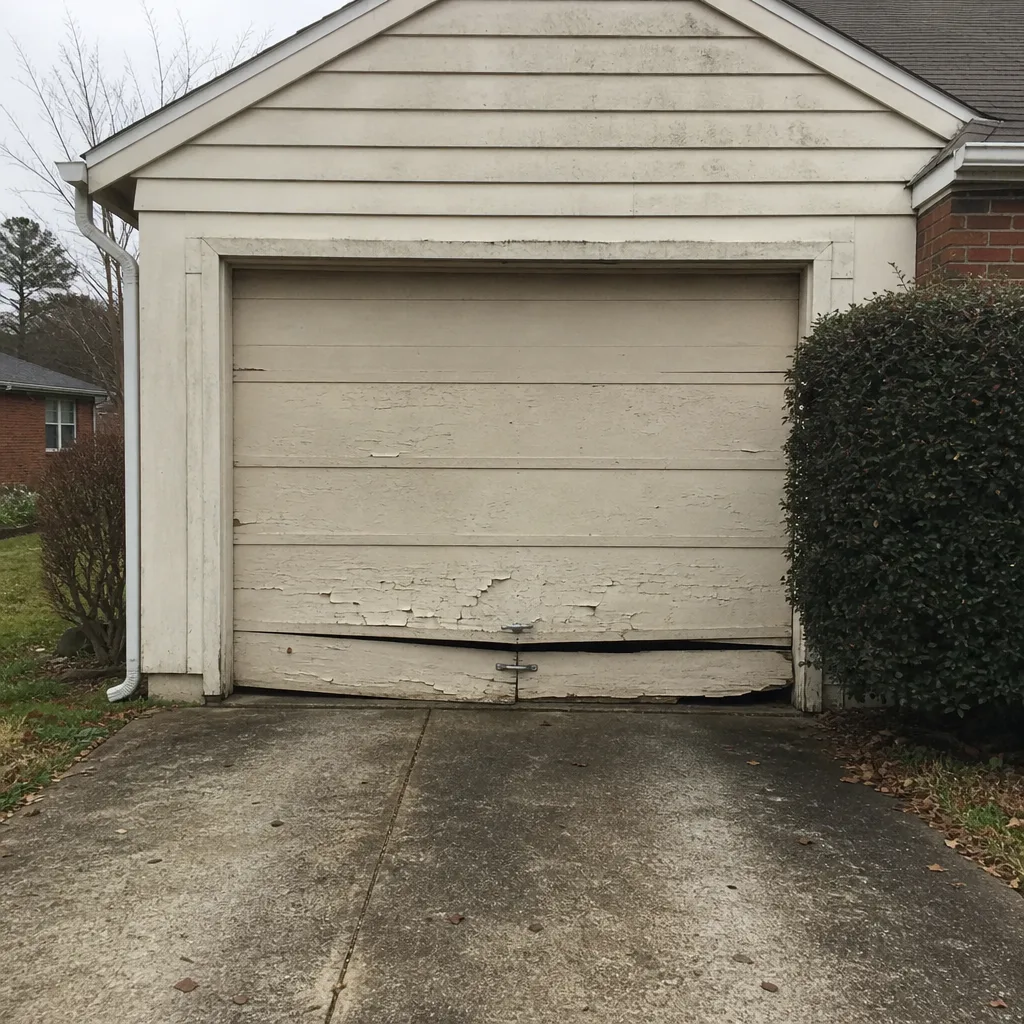
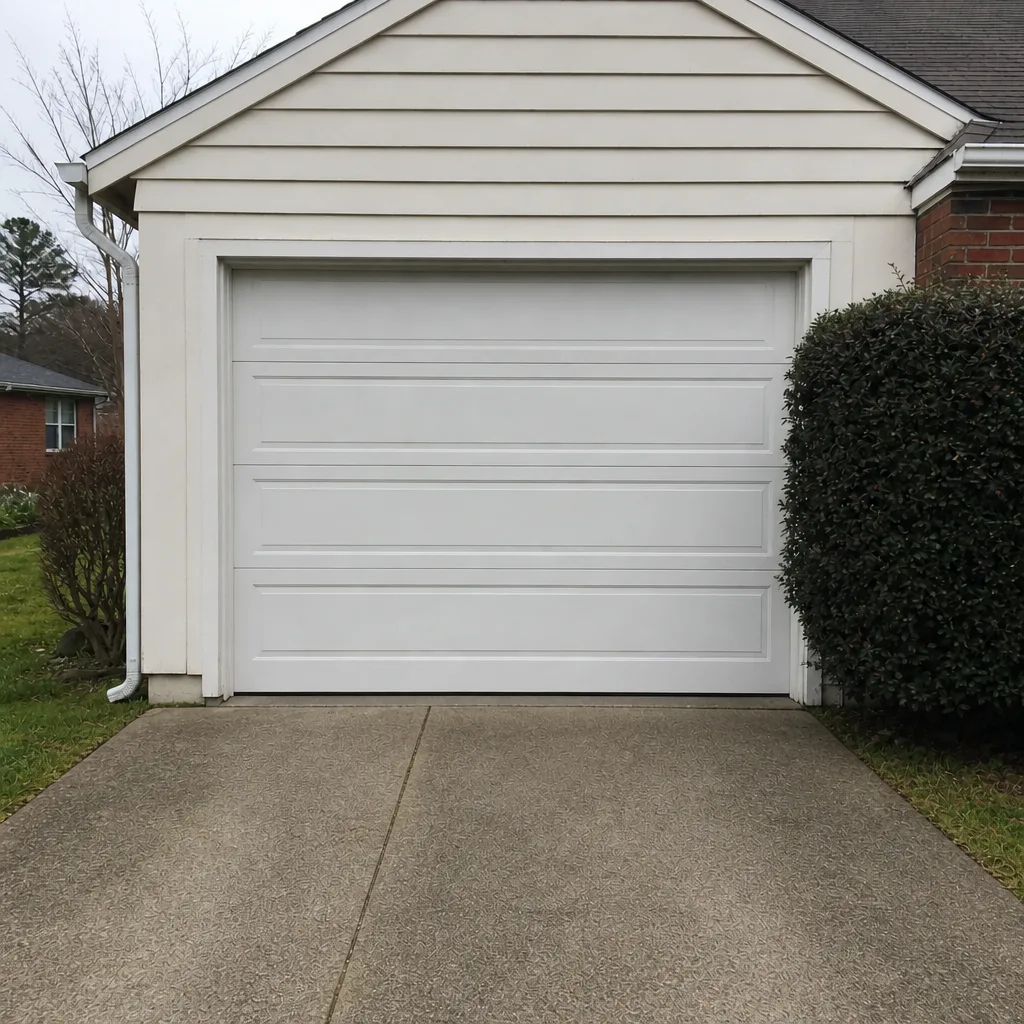
See the difference
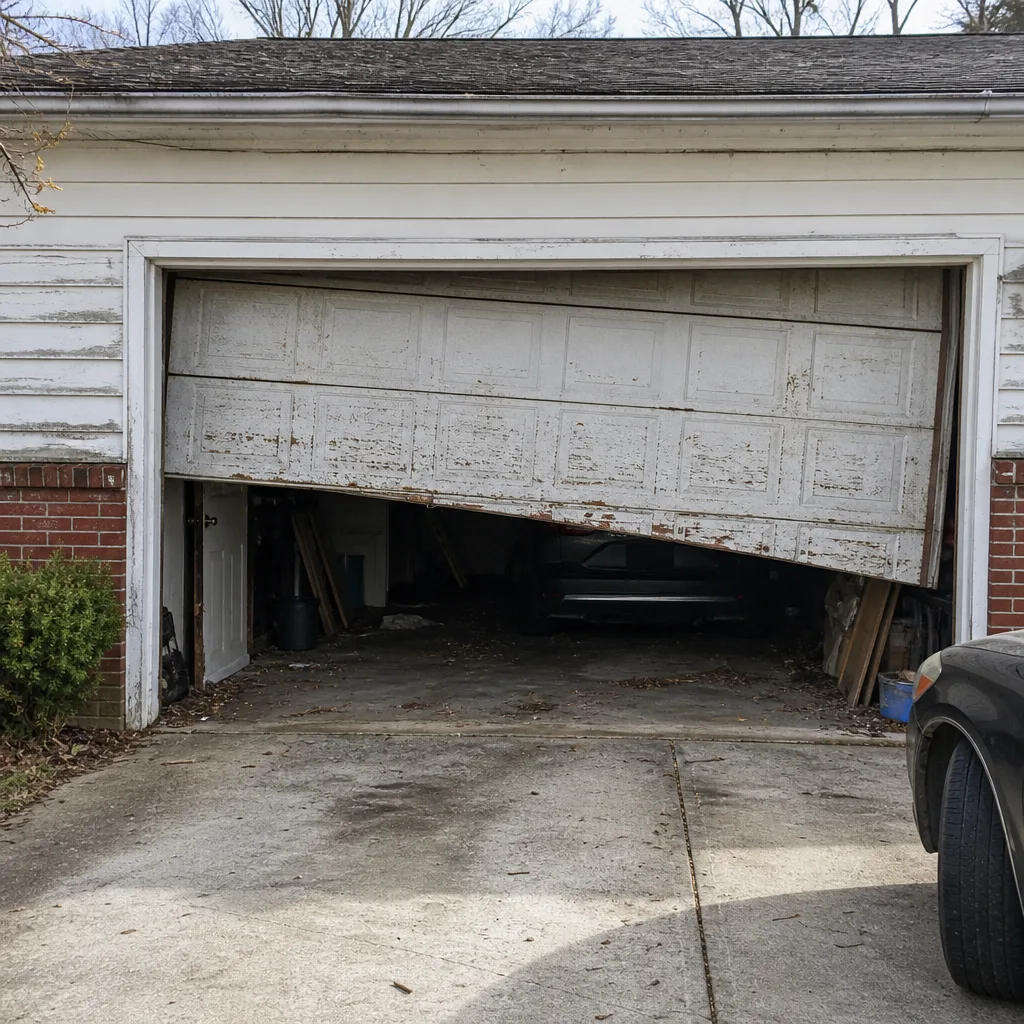 Before
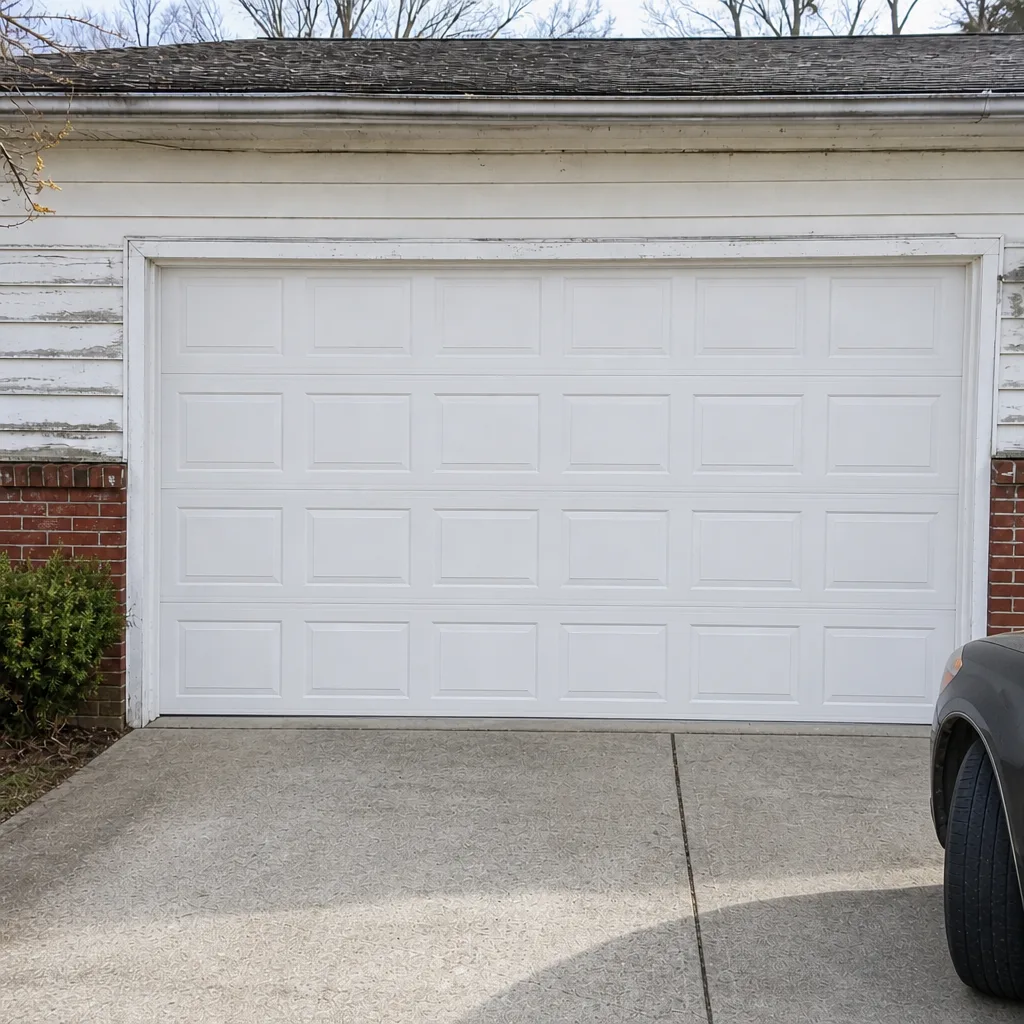 After
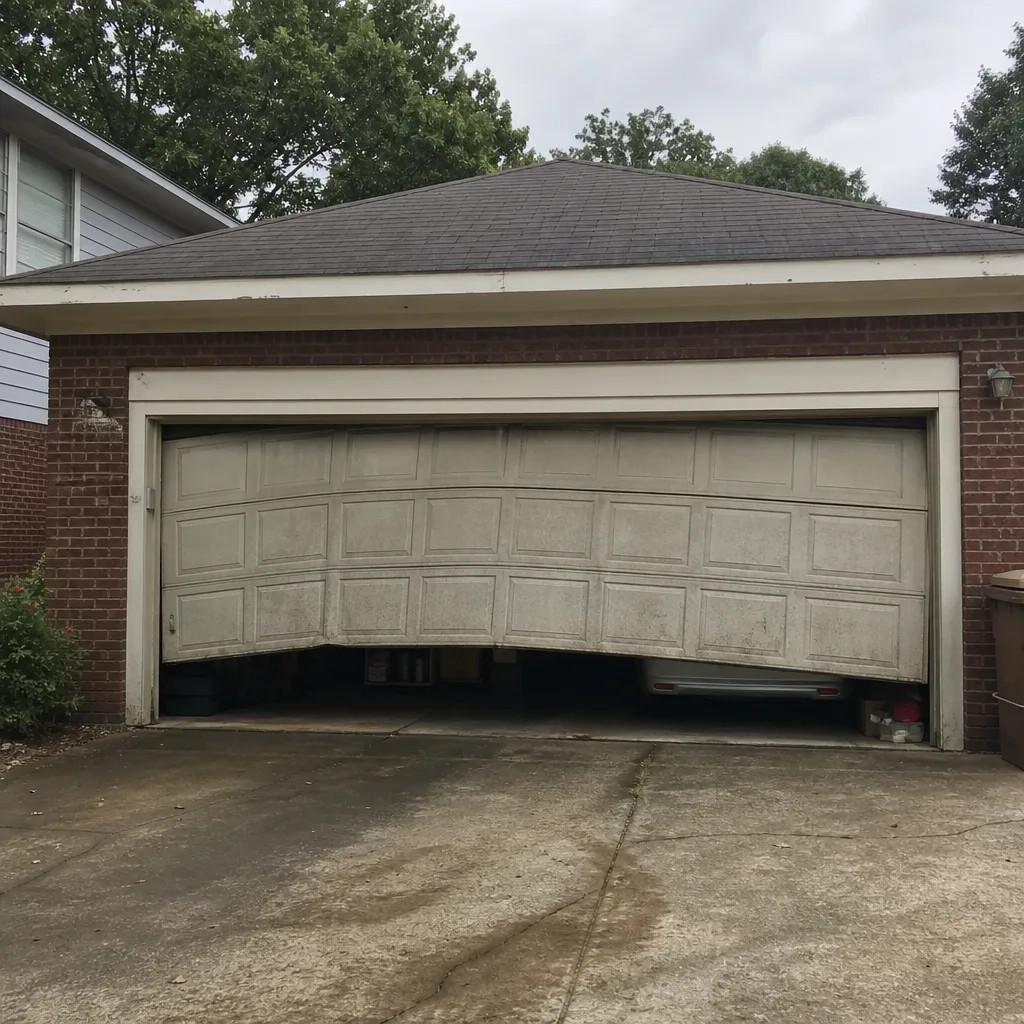 Before
 After
 Before
 After
When to Call a Professional
Some jobs belong in the annual visit. Some wait. Call us when you see or hear these: any visible gap or break in a spring; a door that sags, tilts, or won’t hold at half height; a cable that looks slack, frayed, or is hanging; the door won’t reverse on contact or the photo eyes fail; the opener won’t respond, reverses immediately, or makes a grinding noise at the head; a door that’s stuck open or stuck closed and needs to come down or up to secure the house. If the opener motor runs but nothing moves, that’s often a drive gear or belt failure and worth a same-day look. If your door jumps the track or a panel has a serious crack, don’t cycle it – a trained technician should see it. Crescent Garage Door Repair offers free estimates in Winston-Salem – call (877) 692-2814. We answer 24/7. Fast dispatch from 7am to 7pm, Sunday through Friday.
Frequently Asked Questions
A garage door needs a fast monthly check, a deeper seasonal pass twice a year, and a professional visit about once a year. The monthly check covers the safety reverse, the balance, the rollers, and the seals. The seasonal passes add lubrication and, in Winston-Salem, a humidity and cold-snap inspection. The annual visit covers springs, cables, and opener settings that a homeowner can’t safely handle. Call (877) 692-2814 to book the professional visit – estimates are free.
Run the balance test first – it tells you the most in the least time. Disconnect the opener, lift the door to halfway, and let go. If it holds, the springs are doing their job and the problem is more likely the opener or a roller. If it sags or falls, the springs are losing tension and that’s your answer. If the drift is more than a few inches, stop cycling the door and call for a professional look. Call (877) 692-2814 and we’ll get out to see it.
Often, yes – but only with the right product in the right place. A squeak usually comes from a hinge or a roller bearing. White lithium grease on the hinges and silicone spray on the rollers and seal will quiet most of them. Spraying the track or a spring with plain WD-40 won’t fix it and can make the underlying problem worse. If a squeak returns within weeks, a hinge or roller may be worn and worth replacing. Call (877) 692-2814 for an assessment – estimates are free.
Both – the opener and the door wear on separate tracks. The door’s springs and rollers handle the weight; the opener’s belt or chain and drive gear handle the push and pull. Many LiftMaster and Chamberlain openers have warranties tied to documented maintenance intervals, so skipping the lube and balance checks can affect more than the door itself. If your opener is Genie or Craftsman, the same principle applies – the drive needs a check and the warranty wants a record. Call (877) 692-2814 to schedule service.
It adds two jobs that a dry climate wouldn’t demand. Summer humidity in Winston-Salem works on the bottom seal and wooden panel joints, so both need an inspection at the start of summer. Before a cold snap, the weatherstripping needs a full check and the door needs a re-lubrication, because a failing seal turns a mild winter into a drafty one. The rest of the schedule – balance, safety reverse, annual professional visit – stays the same. Call (877) 692-2814 and we’ll tailor a plan to your door. Estimates are free.
Yes. For any repair or service we find, the estimate is free. You’ll get a written estimate that sets the final price, and it’s agreed before any work starts – no surprises on the invoice. Call (877) 692-2814 to book. We answer 24/7. Fast dispatch from 7am to 7pm, Sunday through Friday. A call outside dispatch hours is booked into the next opening.
The Bottom Line
A garage door maintenance schedule works best when it follows the parts. Springs wear by cycle count, rollers by material and bearing type, and openers by motor hours and documented service intervals – so the schedule is a monthly safety and balance check, a twice-yearly lubrication and seasonal pass, and an annual professional inspection. In Winston-Salem, add the summer humidity check on the seal and wooden joints and the fall weatherstripping check before the cold. Use white lithium on metal, silicone on rubber, chain lube on the chain, and keep plain WD-40 off the moving parts. Most expensive repairs start as something small you could have caught.
When the schedule turns up a spring that’s weakening, a safety reverse that won’t test, or an opener that’s making noise, that’s our cue. Call Crescent Garage Door Repair at (877) 692-2814 for a free estimate. We answer 24/7. Fast dispatch from 7am to 7pm, Sunday through Friday. Call (877) 692-2814 today and we’ll set you up with a plan that fits your door.
Written by the team at Crescent Garage Door Repair.