
Last updated November 16, 2026
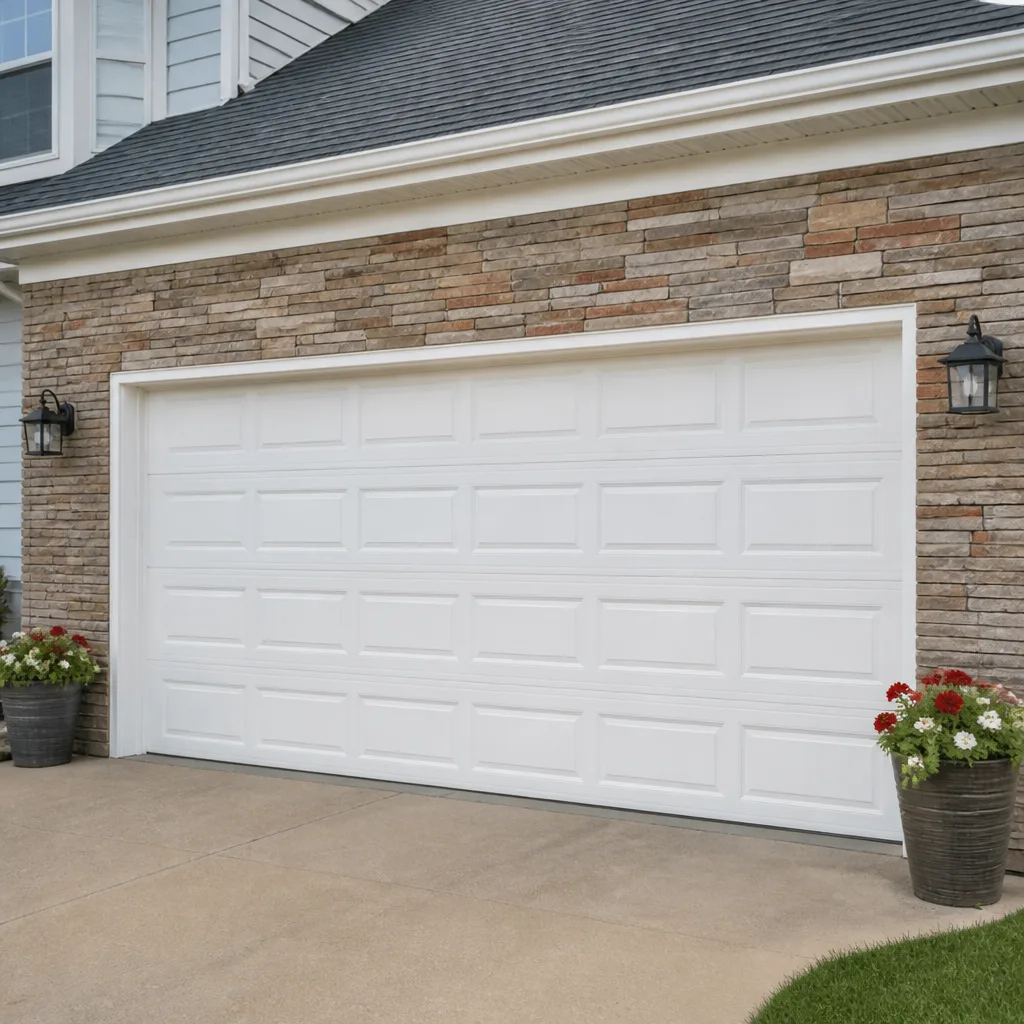 Raised-panel steel
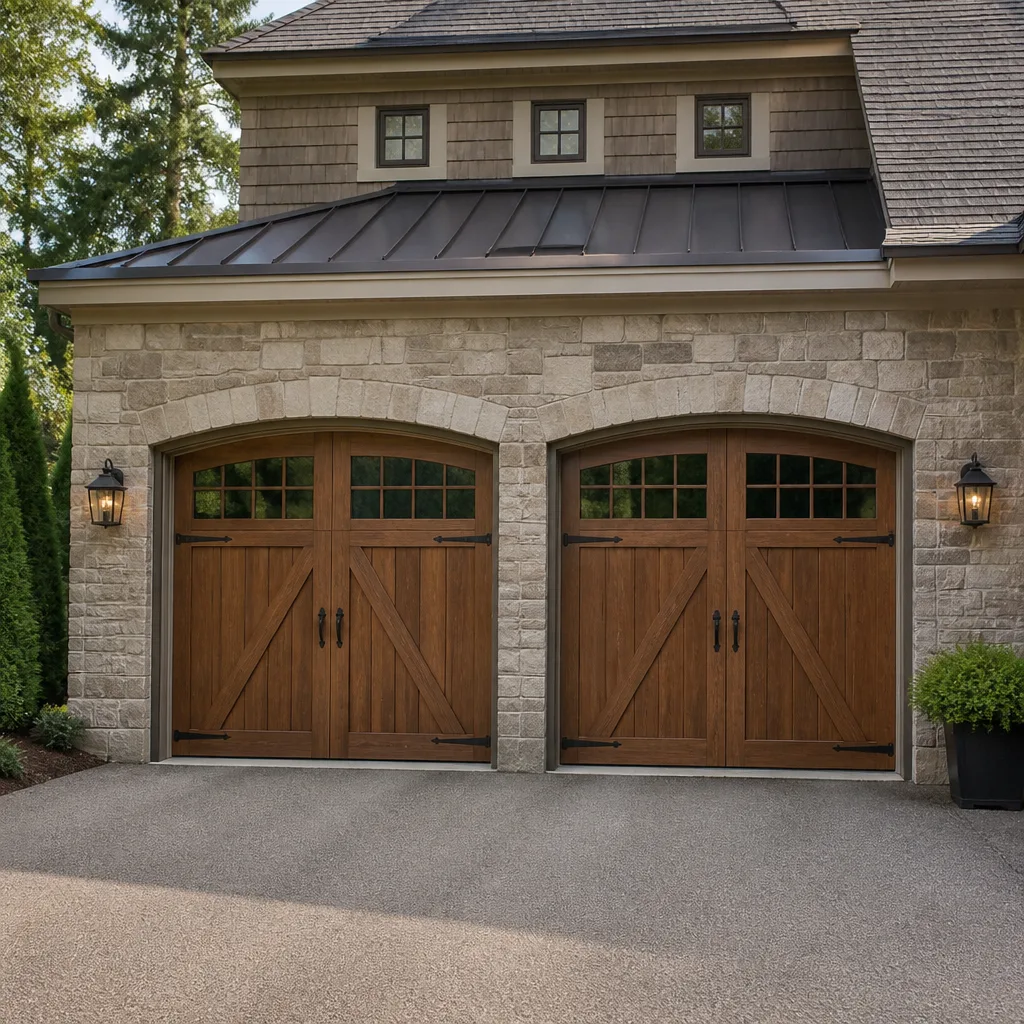 Carriage house
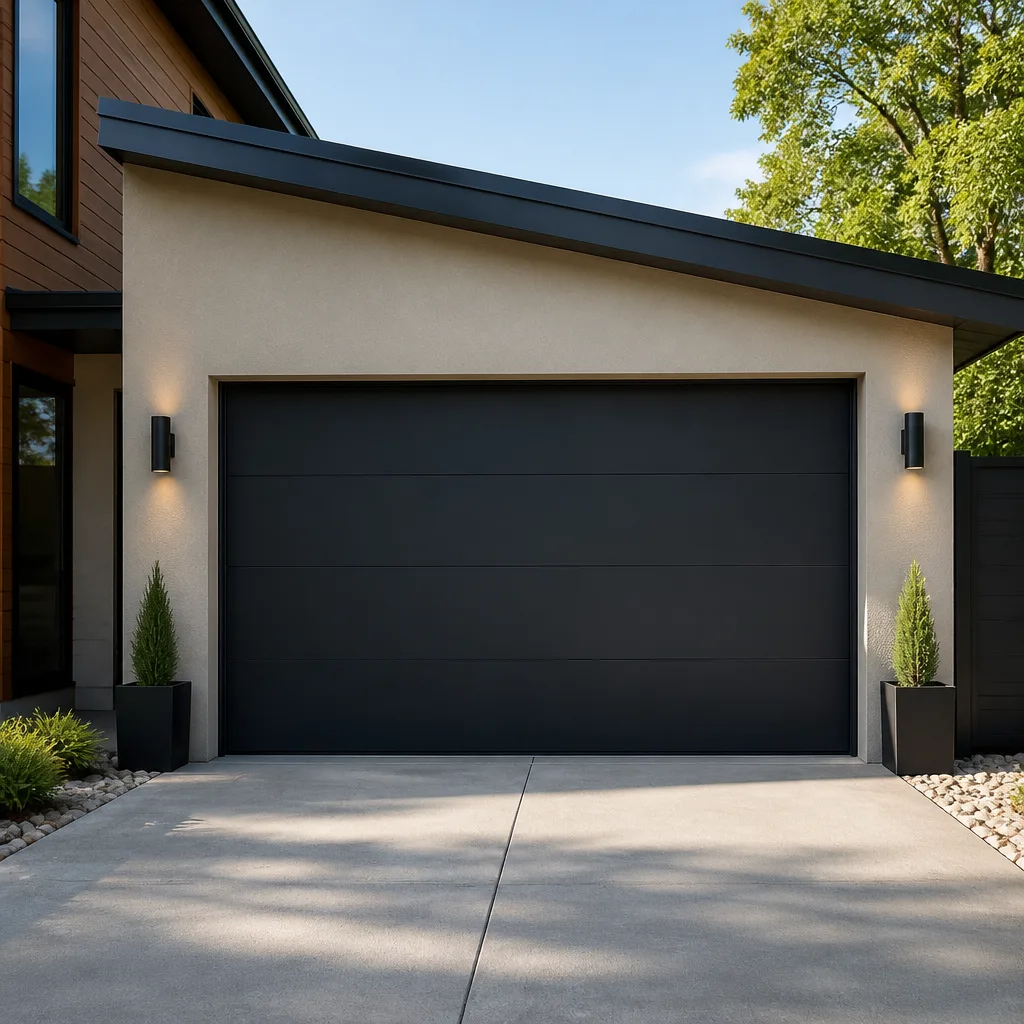 Modern flush
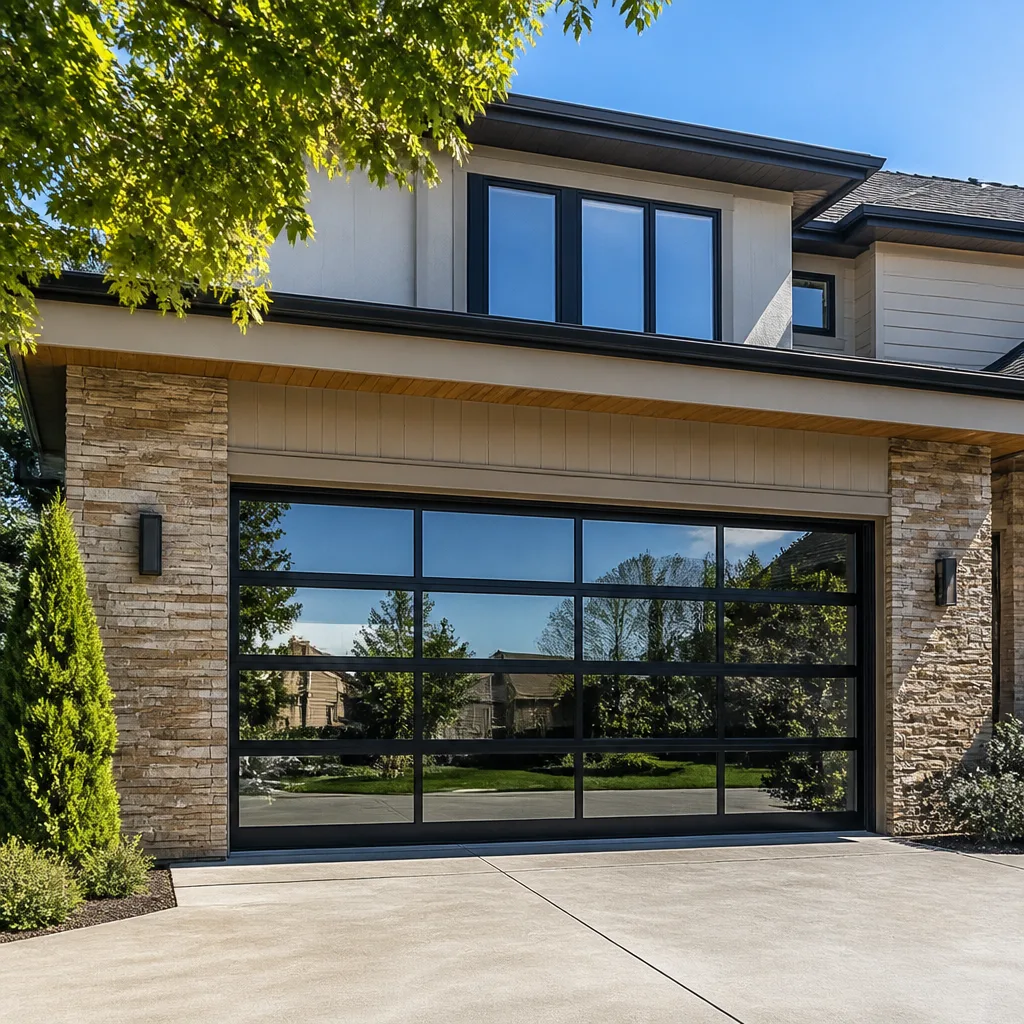 Full-view glass
 LiftMaster openers
 Chamberlain openers
Full 25-point door and opener safety check with every visit - springs, cables, rollers, tracks, and your LiftMaster or Chamberlain opener included
You get a price before we start. It does not change when the pro arrives.
Get your free estimateDIY vs Professional Garage Door: The Winston-Salem Homeowner’s Decision Guide
Most garage door advice splits the world into two neat camps: fix it yourself, or call a pro. That framing misses the point. The real question isn’t your skill level. It’s which specific jobs store enough energy to hurt you, and which jobs only cost you a Saturday afternoon. A torsion spring under load holds force that no wrench-and-youtube session can make safe, but a worn bottom seal is something almost anyone can swap. This guide draws that line clearly for Winston-Salem homeowners, so you can keep the easy savings and skip the dangerous gambles.
Quick Answer
Some garage door tasks are genuinely safe to do yourself: replacing weatherseal, aligning safety sensors, programming a remote, and lubricating rollers and hinges. Others are professional-only because of stored energy or structural load: torsion spring replacement, cable replacement, track realignment, and panel structural repair. A DIY attempt on a spring or cable can cause serious injury and can void a panel warranty even when the work looks correct. The safe middle ground is to handle the low-risk jobs and call a trained technician for everything that holds the door’s weight.
Styles & brands we work with
- Raised-panel steel
- Carriage house
- Modern flush
- Full-view glass
- LiftMaster openers
- Chamberlain openers
Table of Contents
- Why Garage Door Repair Is Different From Other DIY Projects
- The DIY-Safe List: Four Jobs You Can Handle
- The Professional-Only List: Four Jobs That Carry Real Risk
- How a DIY Repair Can Void Your Warranty
- Cost Reality Check: Where DIY Actually Saves Money
- Winston-Salem Conditions That Affect Your Door
- What to Tell a Technician When You’ve Already Attempted a Repair
Why Garage Door Repair Is Different From Other DIY Projects
A garage door is the largest moving object in most homes. It weighs hundreds of pounds, moves on a track system under tension, and relies on springs that store tremendous force. That stored energy is what separates garage door work from hanging a shelf or swapping a faucet. When a torsion spring is wound to lift the door, it holds energy that stays locked in until it’s released in a controlled way. When it fails or is released wrong, that energy goes somewhere. Often that somewhere is a person standing in the wrong place.
We’ve seen the aftermath of DIY spring attempts, and the pattern is consistent: the homeowner understood the mechanical idea, bought the right spring, and still got hurt because the tool slipped or the winding bars weren’t rated for the load. Understanding a job is not the same as being able to do it safely.
There’s a second difference that gets less attention. Garage doors are systems, not parts. The springs are sized to the door’s weight. The opener is matched to the spring tension. The track alignment depends on the panels being square. Change one piece out of spec and the rest of the system absorbs the stress. In our experience across Winston-Salem, the doors that fail early are often the ones where a single component was replaced without checking how it fit the whole.
What this means for your decision
The question isn’t “can I do this?” It’s “does this job involve stored energy or structural load?” If the answer is no, the DIY route is reasonable. If it’s yes, the math changes. A professional call is cheaper than a hospital visit, and it’s certainly cheaper than replacing a door that was damaged by a repair done out of spec.
The DIY-Safe List: Four Jobs You Can Handle
These four tasks don’t involve springs, cables, or structural weight. They’re the jobs where a careful homeowner with basic tools genuinely saves money, and where a mistake usually costs a few dollars in parts rather than a trip to urgent care.
- Weatherseal replacement. The rubber strip along the bottom of the door and the seals around the sides wear out with sun, heat, and the seasonal swing of a North Carolina year. You pull the old seal out of its channel, slide a new one in, and trim the ends. No tension, no springs. Door balance and opener function are unaffected.
- Safety sensor alignment. If your door reverses for no obvious reason, the two small sensors near the floor are usually out of line or blocked. Wipe the lenses, check that the indicator lights are steady, and nudge the brackets until they face each other squarely. Five minutes, no tools beyond a screwdriver.
- Opener remote programming. Adding or re-pairing a remote is a button-press routine on the motor head. Every major brand uses its own sequence, but the steps are in the manual and usually on a sticker inside the opener housing. This is a programming task, not a mechanical one.
- Roller and hinge lubrication. A squeaky door is often a dry one. A few drops of garage door lubricant on the roller stems, hinge pivots, and the torsion bar bearings quiet most noise. Use a proper lubricant, not cooking spray or heavy grease that collects grit.
What these jobs share: nothing under tension, nothing holding the door’s weight, nothing that changes how the door balances. If a task passes that test, the DIY route is fine. If it doesn’t, keep reading.
A note on the opener
Routine opener maintenance like cleaning the lens on the safety sensors or re-pairing a remote is fine. Repairing the motor, drive gear, or logic board is a different matter. Those jobs sit inside the most failure-prone part of the system, and a wrong diagnosis can damage a working unit. That’s why we treat garage door opener repair as its own specialty rather than a general repair line item.
The Professional-Only List: Four Jobs That Carry Real Risk
These are the jobs where a DIY mistake can injure you, damage the door beyond repair, or both. The risk isn’t a matter of experience. It’s physics.
- Torsion spring replacement. A wound torsion spring stores the energy needed to lift the door. Releasing that energy requires the right winding bars and the right procedure. A slip here is the most common source of serious injury in garage door work. We’ve had homeowners call after a spring let go mid-attempt, and the door was the smaller problem.
- Cable replacement. The cables run from the bottom corners of the door up to the spring system, under constant tension. A cable under load can whip when it fails or when it’s cut carelessly. This is a two-person job with proper clamping, and it’s not a job to attempt alone.
- Track realignment. A bent track looks like a simple fix. But the door’s weight runs on those tracks, and forcing a panel past a misaligned track can crack the panel or drop the door. Realignment also means diagnosing why the track bent in the first place, which is often a deeper balance or hardware problem.
- Panel structural repair. A cracked or separating panel carries part of the door’s load. Patching one panel without checking how it fits the surrounding sections can leave the door running out of square. On a brand like Clopay or Amarr, panel replacement also has to match the section profile and color, which is a parts-and-fit question, not a patching one.
All four jobs are ones we handle as part of standard garage door repair calls, and the reason isn’t that homeowners can’t learn the steps. It’s that the steps depend on tools, tension measurements, and a second set of hands that most homes don’t have on hand.
How a DIY Repair Can Void Your Warranty
This is where a lot of well-meaning DIY work goes wrong without anyone noticing. If your door still has a manufacturer’s panel warranty or opener warranty in effect, an unapproved repair can void part of it, even when the repair itself is done correctly.
Warranty terms vary by brand and model, but the common thread is this: the manufacturer covers defects in materials and workmanship when the door is installed and serviced to spec. If a repair alters the system in a way that doesn’t meet spec, the manufacturer can decline a later claim. That includes spring replacement with an incorrectly sized spring, a panel forced back into a bent track, or opener repairs that bypass safety features. On something like a Wayne Dalton or Amarr door, a single out-of-spec spring can void the balance warranty for the entire door even though only one part was touched.
What this looks like in practice
- A maladjusted safety sensor can void an opener warranty claim if it later fails and the fault traces back to the sensor setup.
- Replacing a spring with a different wire gauge than the original changes the door’s balance. A future panel or cable claim can be denied because the system no longer matches spec.
- Cutting into a panel to patch a crack can void the panel warranty even if the patch holds.
The fix is straightforward: before you touch anything structural, find out what your door’s warranty actually covers. If you’re not sure of the brand or model, a technician can identify it from the panel stamp or opener label. When the warranty is still live, a professional repair keeps it intact. That’s why we work on the brand you already have rather than steering you toward a replacement.
Cost Reality Check: Where DIY Actually Saves Money
The money question usually comes down to parts versus labor. When you buy a part yourself, you pay retail for the part. When a professional supplies it, there’s a markup on the part but the labor is included in one written price. The trick is knowing which five common repairs fall on which side of that math.
- Weatherseal replacement. DIY wins clearly. The part is inexpensive at any hardware store, and labor is minimal. You save the service-call portion, which is where the real cost sits on a small job.
- Safety sensor alignment. DIY wins. There’s no part to buy in most cases, just a screwdriver adjustment. This is the highest-return five minutes in garage door maintenance.
- Remote programming. DIY wins when you have the manual. The pro fee, if any, is for the visit. If the remote itself is dead, buying a replacement is the only real expense.
- Spring replacement. The pro route is safer and often comparable in total cost. You can buy a spring, but a matching pair, correct wire gauge, and safe install need tools and know-how. The savings on a DIY spring are usually smaller than they look once you account for the tools and the risk.
- Cable replacement. The pro route wins. Cable prices are low, but the safety factor is the deciding cost, and a failed DIY cable can damage the door panels and track.
Reading the estimate
The written estimate is the price. We quote before any work starts, and you’ll know what the job costs before a single tool comes out. On a repair like a spring or cable, the estimate covers the parts and labor together, so you can compare it directly to your DIY parts cost and decide with real numbers rather than a guess.
Winston-Salem Conditions That Affect Your Door
Garage doors in Winston-Salem live through a specific mix of conditions, and that mix shapes which repairs come up most often.
The summers are hot and humid. Humidity works on wood-look panels, steel hardware, and rubber seals. Weatherseal dries out and cracks faster here than in drier climates, which is part of why it lands on the DIY-safe list rather than the pro-only one. Hinges and rollers benefit from lubrication more often than the manufacturer’s minimum because the seasonal moisture swing changes how the moving parts wear.
The winters bring freeze-thaw cycles. Water works into small gaps, freezes, and expands. That cycle stresses cables and track fasteners over time, and it’s one reason a cable inspection is worth doing before the coldest weeks. Ice on the bottom seal can also stop a door from closing properly, which looks like an opener problem and usually isn’t.
Spring storms roll through the Piedmont and push wind and debris against the door face. Hail isn’t a regular visitor here, but wind-driven impact and fallen branches are. A dented panel that looks cosmetic can hide a cracked section or a bent track, so it’s worth a proper look after a heavy storm. This is also where knowing your brand helps. Doors built on a Clopay or Wayne Dalton platform have specific panel profiles, and matching a replacement section to the original is easier when the technician already knows the line.
Housing stock matters too. Winston-Salem has a wide spread of home ages, from older neighborhoods near downtown to newer construction across the county. Older doors often carry older spring systems and openers that need a different diagnostic approach than a recent model, which is why we work across eight of the most widely installed brands in North America: LiftMaster, Chamberlain, Genie, Clopay, Amarr, Wayne Dalton, Craftsman, and Raynor.
What to Tell a Technician When You’ve Already Attempted a Repair
If you’ve already tried a repair and it didn’t fix the problem, the most useful thing you can do is tell the technician exactly what you did. That’s not a confession. It’s diagnostic information, and a good technician uses it to skip the guesswork.
- What you replaced and which part you used. Brand, part number if you have it, and where you bought it. A spring that looks right but has a slightly different wire gauge changes the door’s balance, and the technician needs to know.
- What you adjusted. Sensor positions, limit settings on the opener, track bolts. Each adjustment moves the baseline, and the technician will want to reset it to spec rather than assume the original setting.
- What the door does now versus before. Straightforward observations are gold. Does it reverse at the same point every time? Does it stop halfway? Did the noise change? These patterns point straight at the cause.
- Whether anything slipped or snapped during your attempt. If a cable let go or a spring released, say so. It changes how the technician approaches the door for safety.
- Any part that came out but didn’t go back in. A missing bolt, a bracket set aside, a spring bracket left unbolted. The technician needs a complete picture before touching anything under tension.
We ask these questions on every call where the homeowner has been into the door already. It’s not about assigning blame. It’s about making sure the next repair holds, and getting an accurate written estimate rather than a guess that gets revised once the door comes apart.
Common Mistakes to Avoid
- Trying to wind a torsion spring without rated winding bars. A socket extension or screwdriver can slip under load and cause serious injury. No tool from the general toolbox is a safe substitute.
- Replacing one spring in a matched pair. When one spring fails, the other has usually been carrying the same cycles. Replacing one leaves the door unbalanced and the second spring close to failure.
- Forcing a door past a bent track. The extra force can crack a panel or drop the door. Stop, diagnose why the track bent, and address the cause.
- Cutting into a panel to patch a crack. This voids most panel warranties and can weaken the section that carries the door’s load. On a Clopay or Amarr door, a patched panel is often more expensive to fix later than a proper replacement.
- Ignoring the warranty before starting. A careful repair that doesn’t match the manufacturer’s spec can cost you a future claim. Check what’s covered before you touch a structural part.
- Skipping lubrication because the door isn’t noisy yet. Dry rollers and hinges wear faster and cause the squeal later. A few minutes with proper lubricant now saves a repair later.
- Assuming a door that won’t close is an opener problem. A blocked sensor, a worn seal, or ice on the bottom edge all look like opener faults. The check starts at the sensor and the seal, not the motor.
See the difference
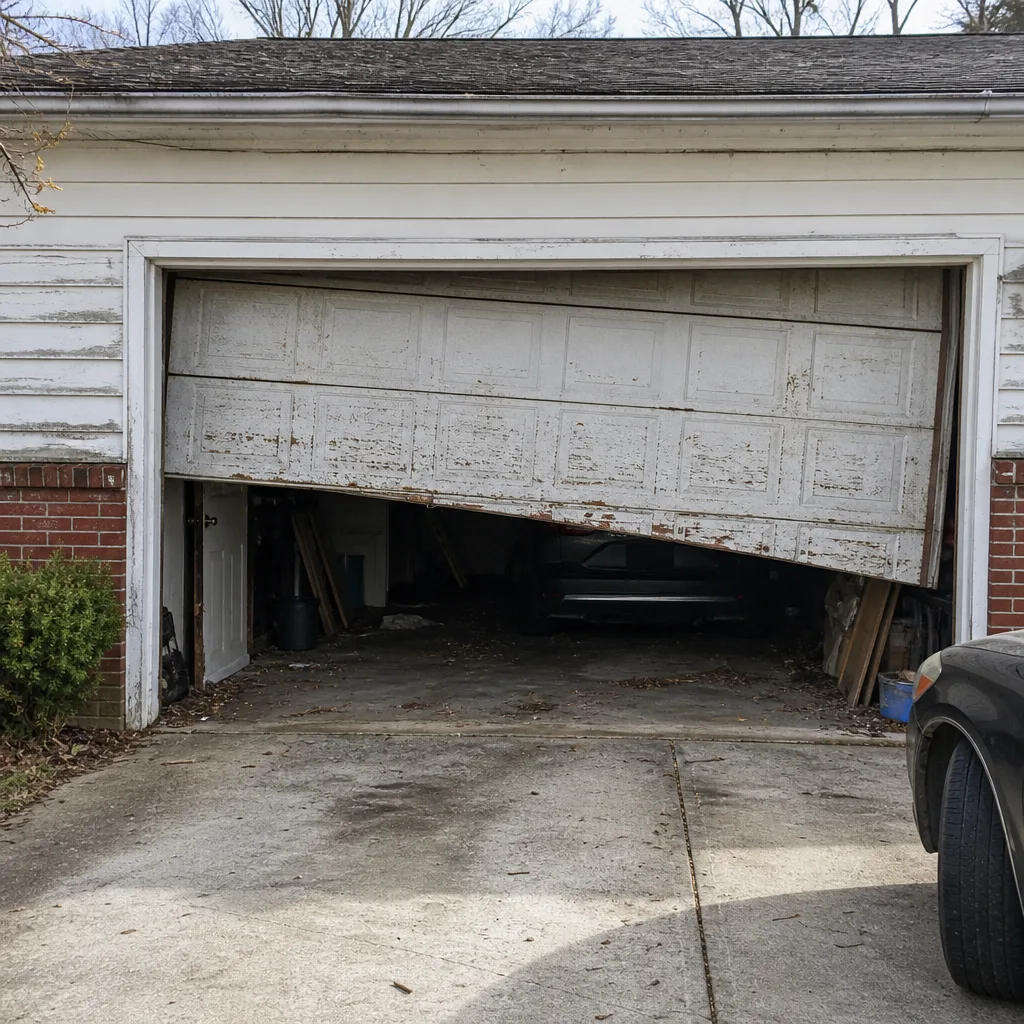 Before
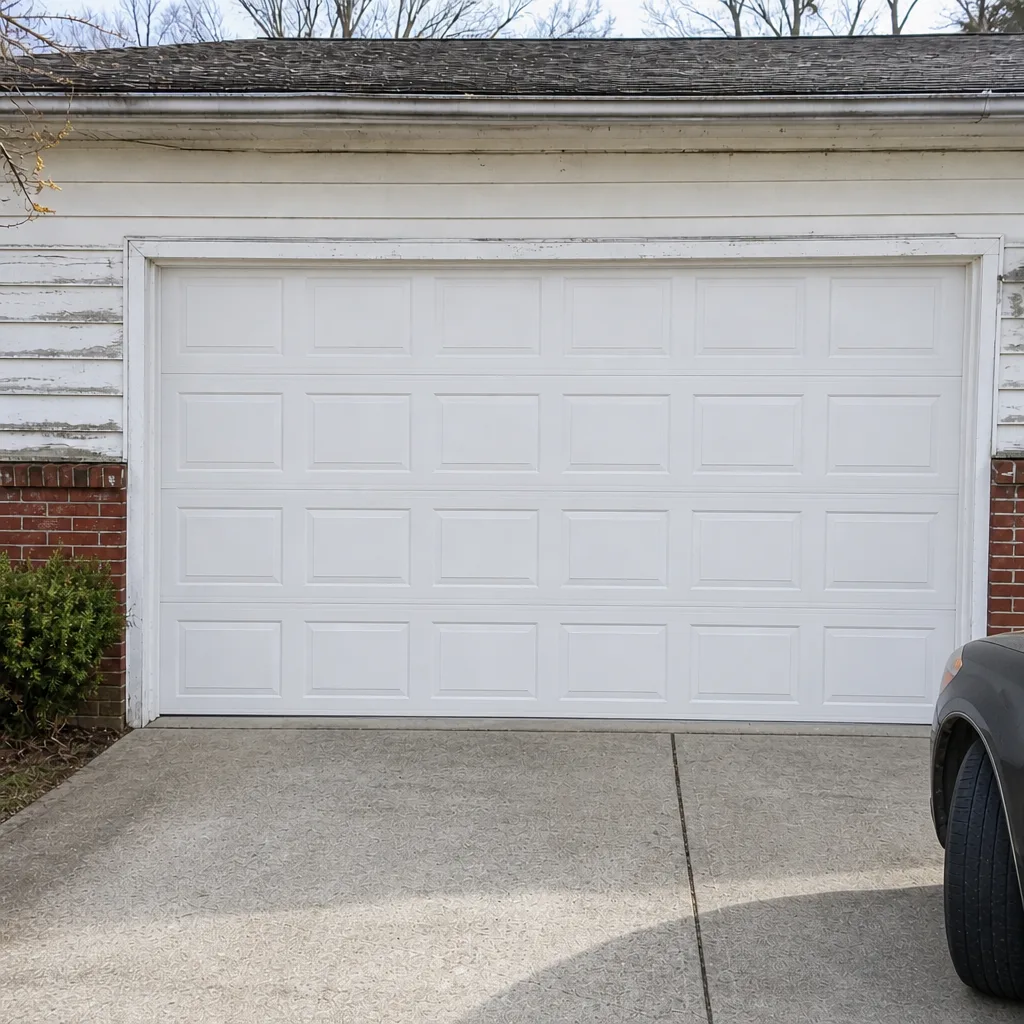 After
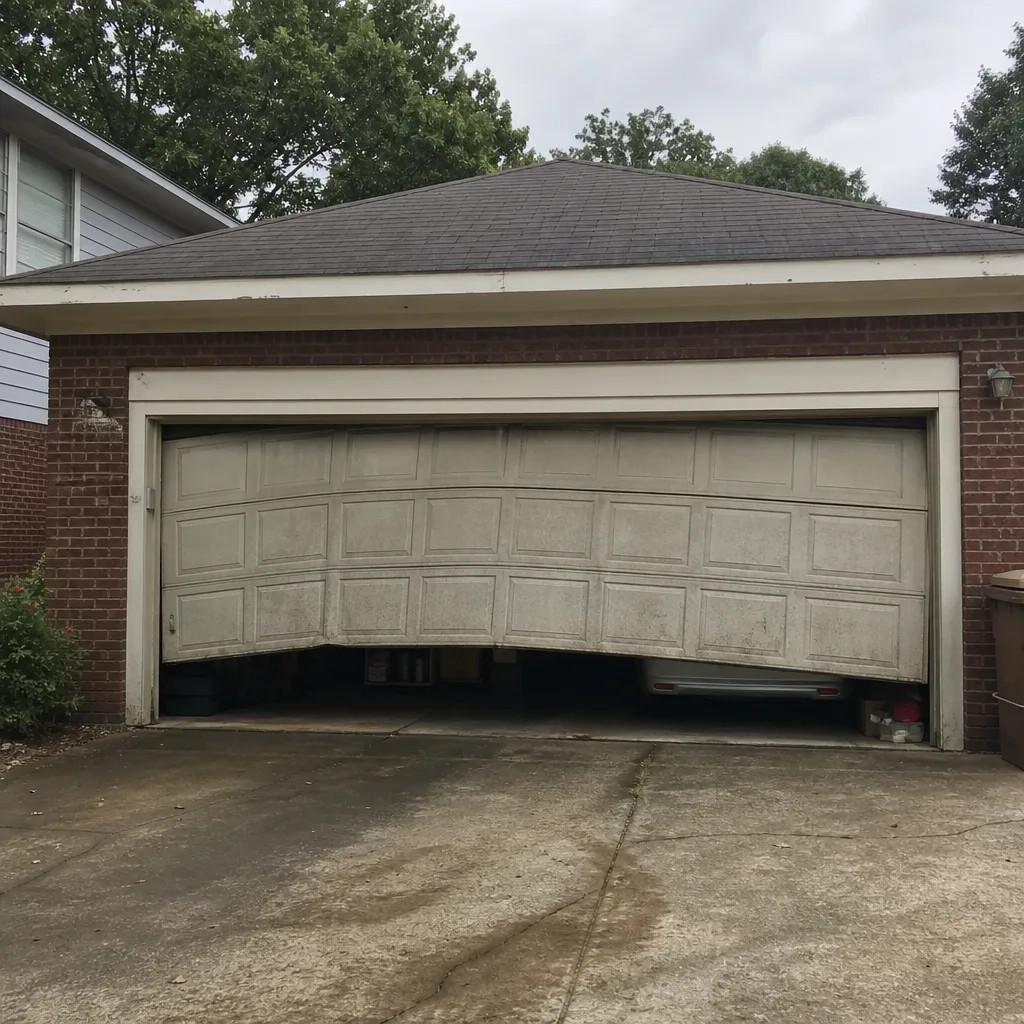 Before
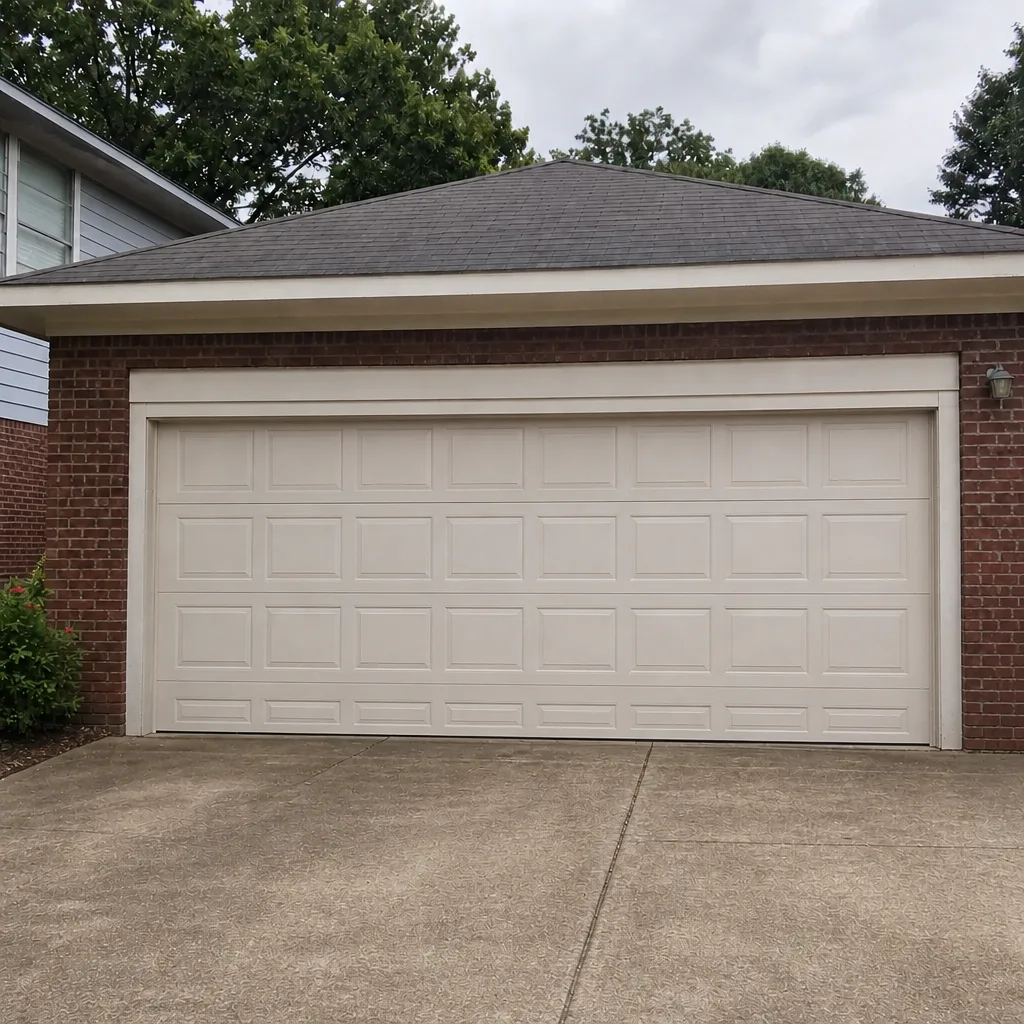 After
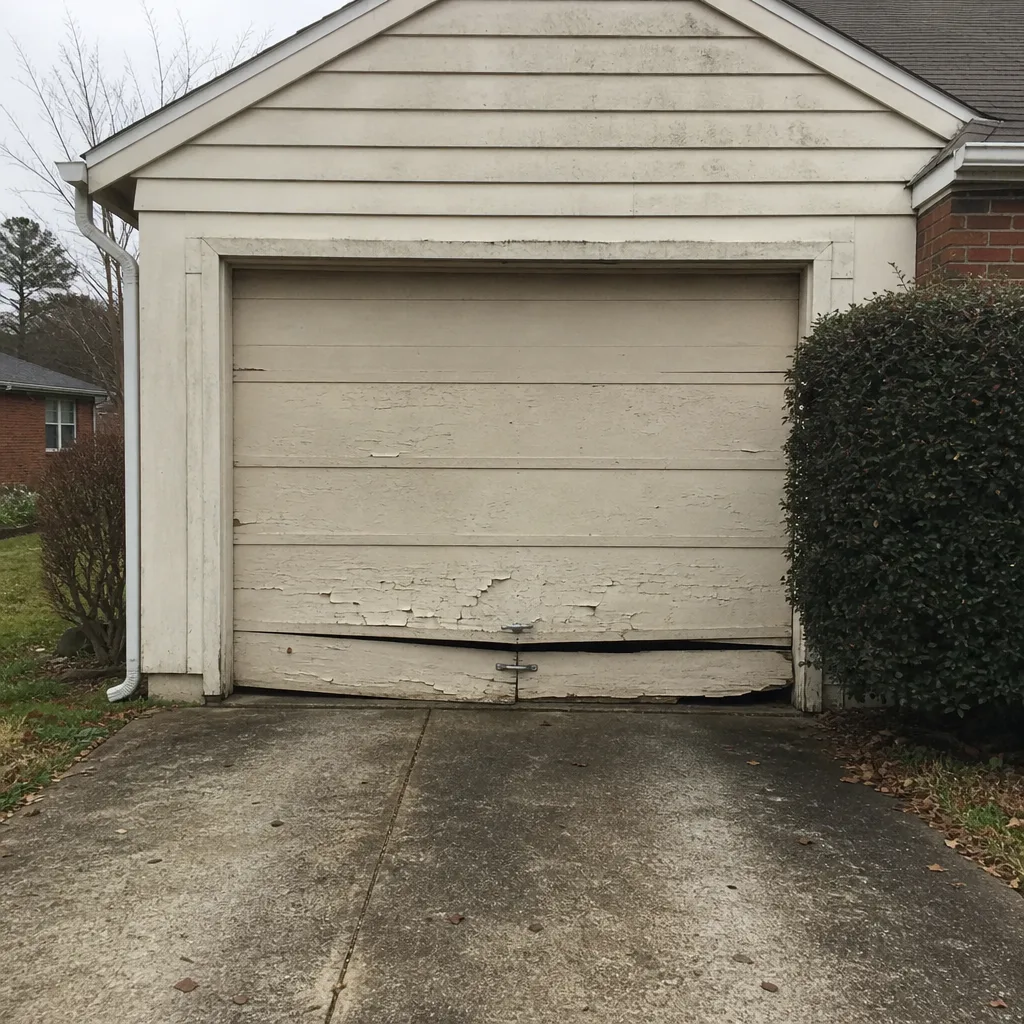 Before
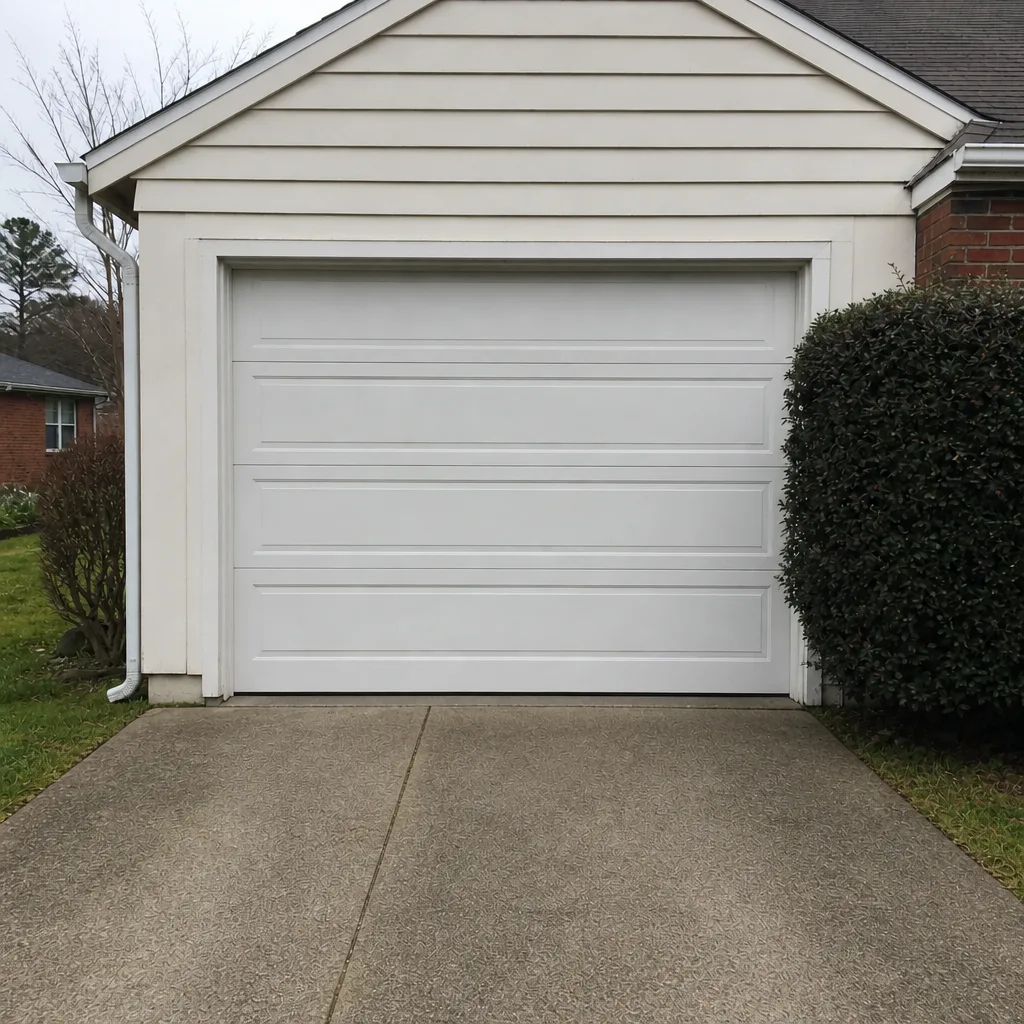 After
When to Call a Professional
Call a professional when the job involves a torsion spring, a cable, a bent track, or a panel carrying structural load. Call when the door is out of balance or reverses for no clear reason. Call when the opener motor or logic board is involved, and call when you’ve already tried a repair and the door still isn’t right. Those are the jobs where a trained technician saves you time, avoids injury, and keeps your warranty intact.
Crescent Garage Door Repair offers free estimates in Winston-Salem. Call (877) 692-2814 for a free estimate. We answer 24/7. Fast dispatch from 7am to 7pm, Sunday through Friday. Our technicians have up to experience, and we work on the brand you already have, from LiftMaster to Genie to Wayne Dalton. One call, full system.
Frequently Asked Questions
We don’t recommend it. A wound torsion spring stores enough energy to cause serious injury if it releases unexpectedly, and winding it needs rated tools and a specific procedure. The parts cost difference is smaller than it looks once you account for tools and risk. Call (877) 692-2814 for a free estimate on a spring replacement.
Weatherseal replacement, safety sensor alignment, opener remote programming, and roller and hinge lubrication are all safe DIY jobs because they involve no stored tension and no structural weight. Everything that holds the door’s weight should go to a professional. We’re happy to walk through which list your job falls on.
It can. A repair that doesn’t meet the manufacturer’s spec can void a panel or opener warranty claim, even if the repair works. Spring size, panel fit, and sensor adjustment all touch parts of the system the warranty covers. Call (877) 692-2814 for a free estimate that keeps the warranty intact.
It depends on the job, because we quote per job with a written estimate before any work starts. You’ll know the price before a tool comes out. Estimates are free. Call (877) 692-2814 for an exact quote, and we can tell you whether the repair is DIY-safe or needs a trained hand.
Start with the safety sensors. Wipe the lenses and check that both indicator lights are steady and facing each other. If the sensors are aligned and the door still won’t close, the cause is usually in the opener or the door balance, and that’s a professional call. Call (877) 692-2814 for a free estimate.
Yes. The useful step is to tell the technician exactly what you replaced or adjusted, what the door does now, and whether anything slipped or snapped during the attempt. That information speeds up the diagnosis and gives you a more accurate estimate. Call (877) 692-2814 and we’ll book the visit.
Yes. We’re factory-familiar with LiftMaster, Chamberlain, Genie, Clopay, Amarr, Wayne Dalton, Craftsman, and Raynor, which covers the vast majority of doors and openers already in homes across Winston-Salem. Our technicians diagnose the problem rather than the brand. Call (877) 692-2814 for a free estimate.
The Bottom Line
The DIY versus professional question has a clean answer once you separate the safe jobs from the dangerous ones. Weatherseal, sensor alignment, remote programming, and lubrication are yours to handle. Springs, cables, track realignment, and panel structural repair belong to a trained technician, both for your safety and for your warranty. The written estimate is the price, and it’s quoted before any work starts. In Winston-Salem, the right call is usually the one that keeps you off a ladder with a spring under load.
For the jobs on the professional-only list, reach out to Crescent Garage Door Repair. We handle repair, opener service, and installation under one company, so you’re not coordinating a second contractor for a single door. Call (877) 692-2814 for a free estimate. We answer 24/7. Fast dispatch from 7am to 7pm, Sunday through Friday.
Written by the team at Crescent Garage Door Repair.